Where It Comes From
Spinach originally comes from ancient Persia, which is the area we now call Iran, where it was first cultivated over 2,000 years ago. From Persia, spinach traveled eastward to China and westward to the Mediterranean region, arriving in Spain by the 1100s through Arab traders. Catherine de Medici, a queen of France in the 1500s, loved spinach so much that dishes served on a bed of spinach are still called “Florentine” after her home city of Florence, Italy. Spinach became popular in the United States in the early 1900s and got a huge boost in fame thanks to a certain cartoon sailor.
Popeye and the Iron Myth
The cartoon character Popeye the Sailor Man became famous for eating cans of spinach to gain incredible strength, and this made spinach one of the most well-known vegetables in the world. The story behind Popeye’s spinach-powered strength is connected to a famous mistake: a scientist in the 1800s is said to have misplaced a decimal point when recording spinach’s iron content, making it seem ten times higher than it actually was. While spinach does contain iron, your body has trouble absorbing it because spinach also contains a compound called oxalic acid that blocks iron absorption. Cooking spinach helps break down some of the oxalic acid, which is why your body can get more iron from cooked spinach than from raw spinach.
How It Grows
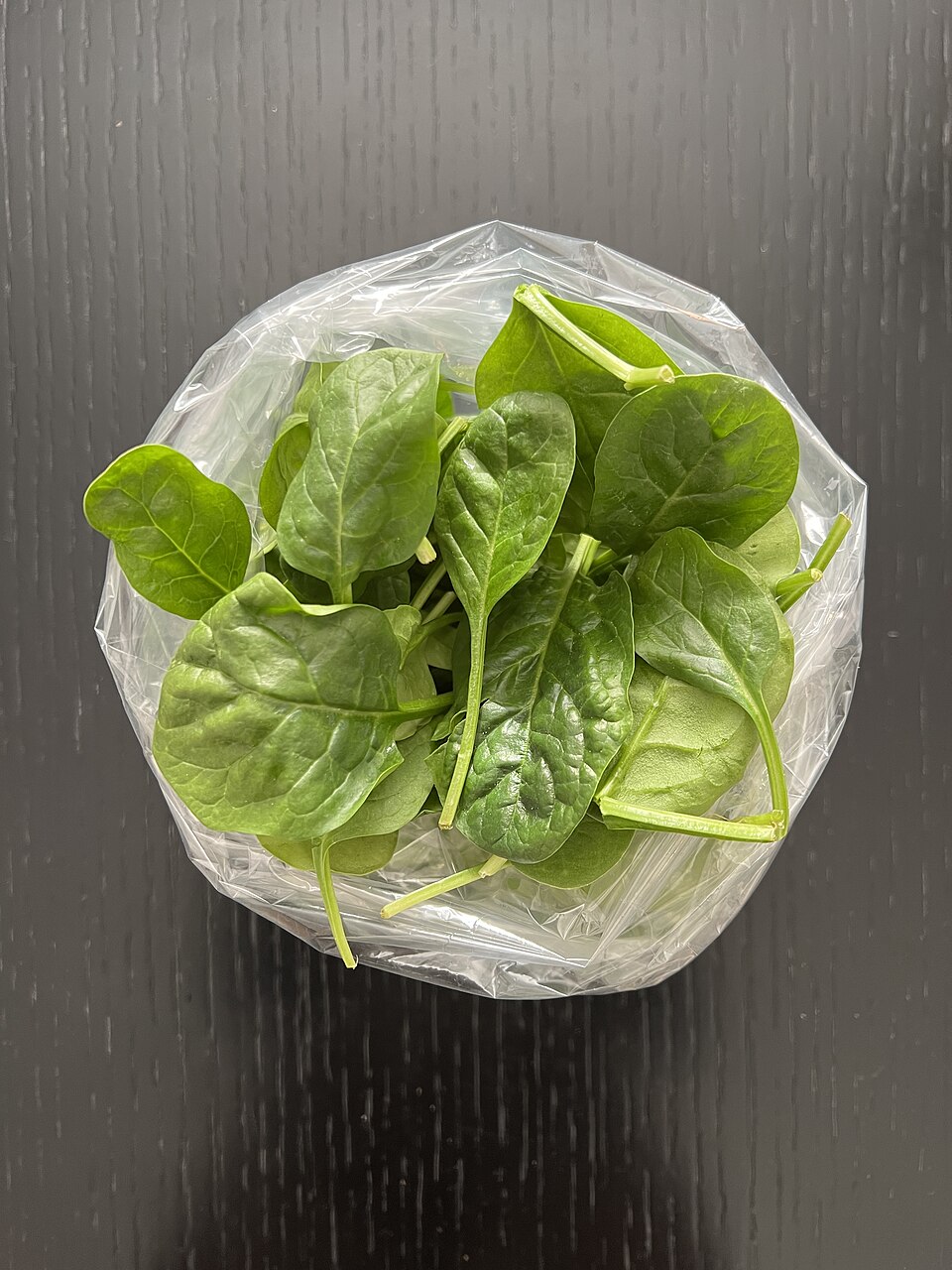
Spinach is a cool-weather plant that grows best in spring and fall when temperatures are mild. The plant produces a cluster of dark green leaves that grow from a central point close to the ground. When the weather gets too hot, spinach bolts, meaning it quickly shoots up a tall stem and starts producing flowers and seeds, which makes the leaves taste bitter. “Baby spinach” is not a different variety but is simply regular spinach that has been harvested early, when the leaves are still small, tender, and mild-flavored.
Fun Facts About Spinach
China is by far the world’s largest producer of spinach, growing about 90 percent of the global supply. NASA has studied spinach as a potential crop for long space missions because it grows quickly and is packed with nutrients. Spinach leaves can lose up to half of their nutrients within a week of being picked, which is why frozen spinach is often more nutritious than fresh spinach that has been sitting in the store for days. March 26 is National Spinach Day in the United States, a celebration of this powerhouse leafy green.
 OtterKnow Kids Encyclopedia