How They Grow
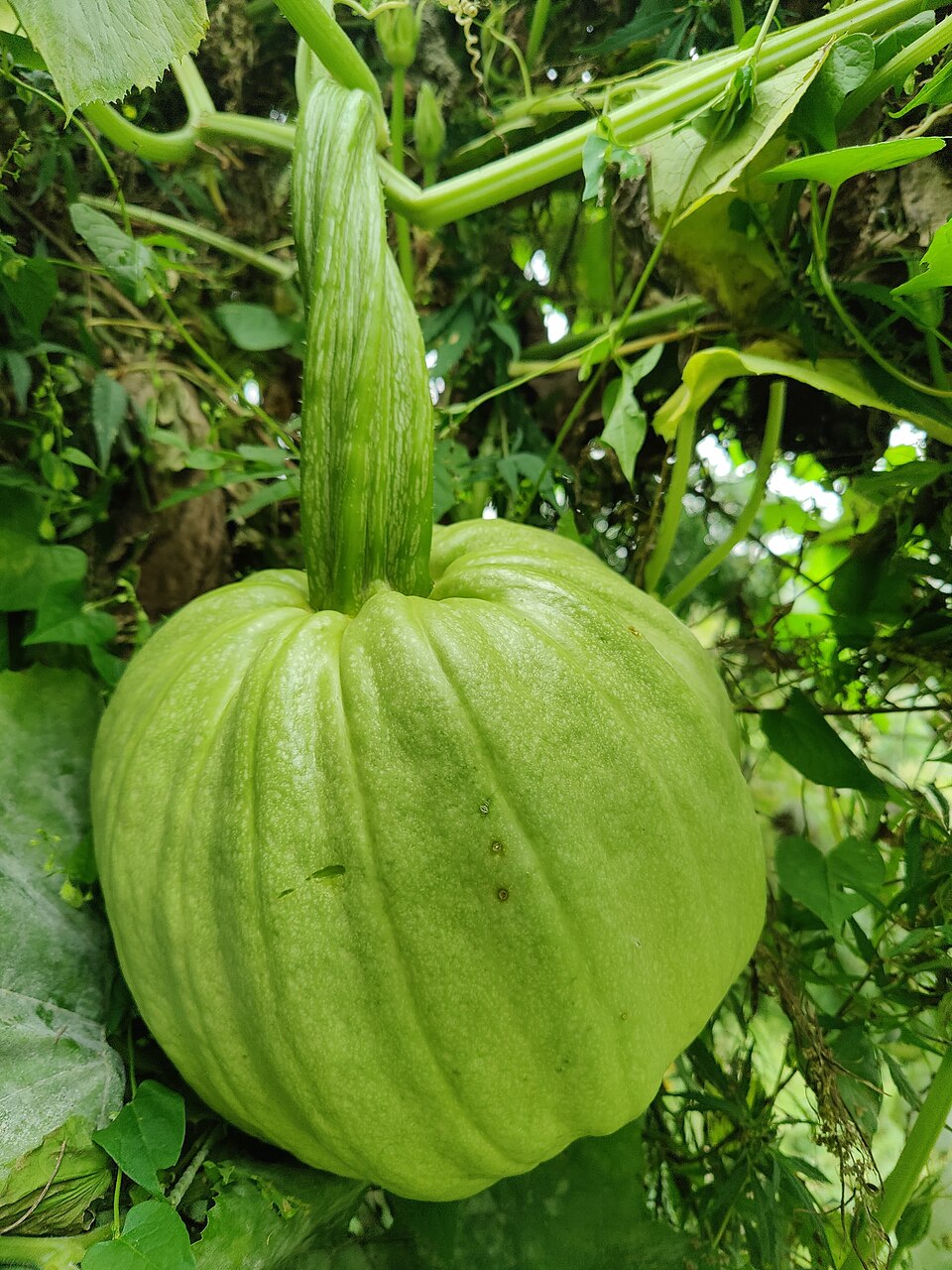
Pumpkin plants grow as sprawling vines that can stretch 20 to 30 feet across a garden. Each vine produces large, bright yellow flowers, and bees play a crucial role in pollinating these flowers so that pumpkins can develop. A pumpkin starts out as a small green fruit and gradually swells in size over several months, turning orange as it ripens. The orange color comes from beta-carotene, the same pigment found in carrots, which your body can convert into vitamin A. Pumpkins need lots of sun, water, and space to grow to their full size.
Giant Pumpkins
Growing giant pumpkins has become a serious competitive hobby around the world. The world record for the heaviest pumpkin has been broken many times, and recent champions have weighed over 2,700 pounds, which is heavier than a small car. Growers of giant pumpkins use special seeds from champion plants and give their pumpkins enormous amounts of water and fertilizer every day. These giant pumpkins grow so fast during the summer that they can gain 30 to 50 pounds in a single day. Some growers even cover their pumpkins with blankets to protect them from sun damage and cold nights.
Pumpkins in Culture
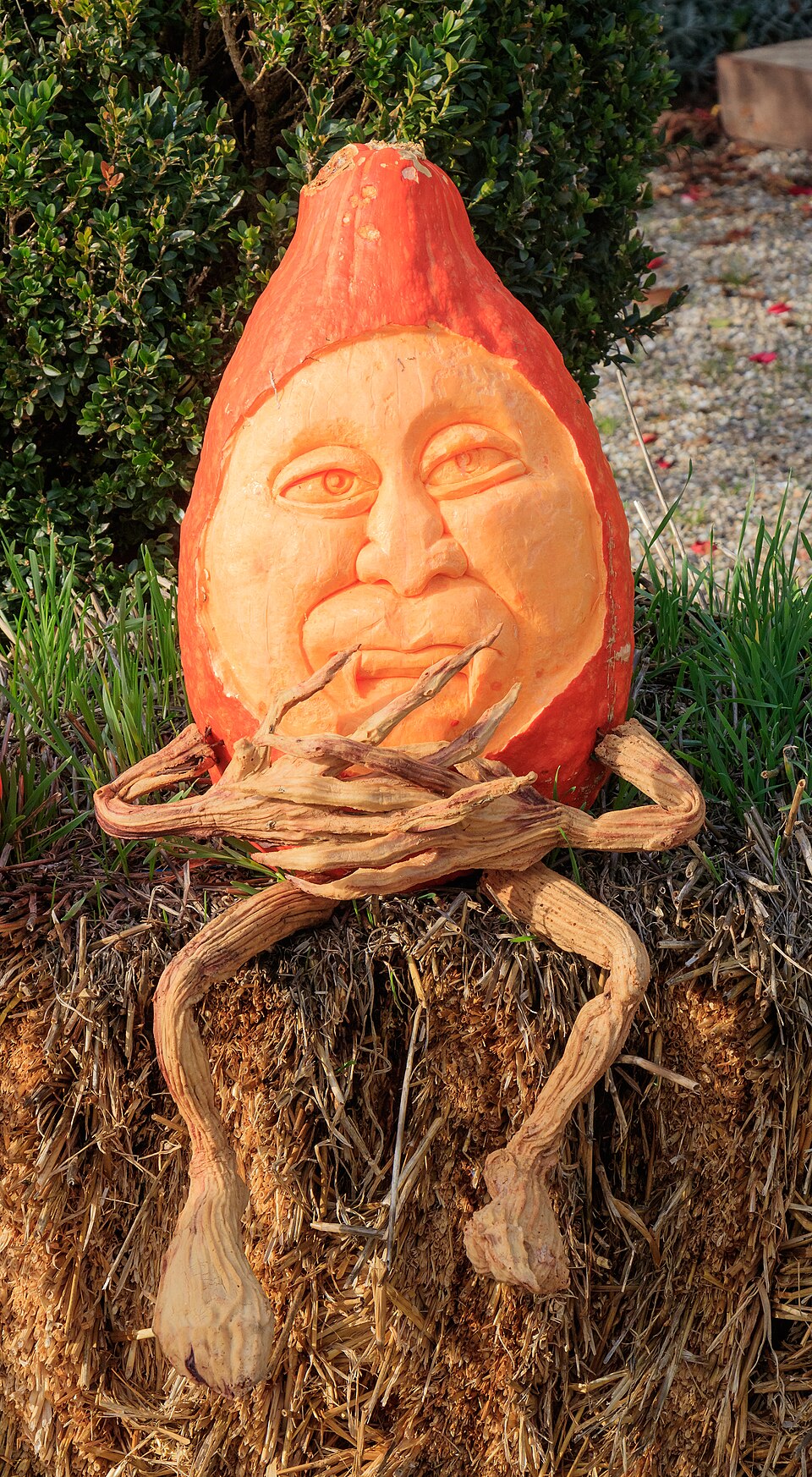
The tradition of carving pumpkins into jack-o’-lanterns for Halloween actually started with a different vegetable entirely. Irish immigrants originally carved scary faces into turnips and potatoes based on an old legend about a man named Stingy Jack, but when they came to America, they discovered that pumpkins were much bigger and easier to carve. Pumpkin pie is a beloved dessert at Thanksgiving, and most canned “pumpkin” used for baking actually comes from a variety called Dickinson squash. Illinois produces about 80 percent of the processed pumpkin grown in the United States.
Fun Facts About Pumpkins
Almost every part of a pumpkin is edible, including the flesh, seeds, flowers, and even the leaves. Pumpkin seeds, also called pepitas, are a popular snack that is high in protein, magnesium, and zinc. Pumpkins were an important part of the Three Sisters planting method, in which Indigenous farmers grew them alongside corn and beans. The pumpkin spice flavor that fills coffee shops every fall is actually a blend of cinnamon, nutmeg, ginger, allspice, and cloves and does not contain any real pumpkin.
 OtterKnow Kids Encyclopedia