Why Onions Make You Cry
One of the most well-known things about onions is that cutting them can make your eyes water and sting. When you slice into an onion, you break open its cells, which release a chemical called syn-propanethial-S-oxide that floats up into the air as a gas. When this gas reaches your eyes, it irritates them and triggers tears as your body tries to wash the chemical away. You can reduce the tearing by chilling the onion in the refrigerator before cutting it, using a very sharp knife (which crushes fewer cells), or cutting the onion under running water.
A Very Old Vegetable
Onions have been grown and eaten for at least 5,000 years, making them one of the oldest cultivated vegetables in the world. Ancient Egyptians valued onions so highly that they placed them in the tombs of pharaohs, and workers who built the pyramids were fed onions to keep them strong. In ancient Rome, gladiators rubbed onions on their bodies because they believed it would make their muscles firm. Onions spread across the world through trade routes, and today they are used in nearly every cuisine on the planet.
How They Grow
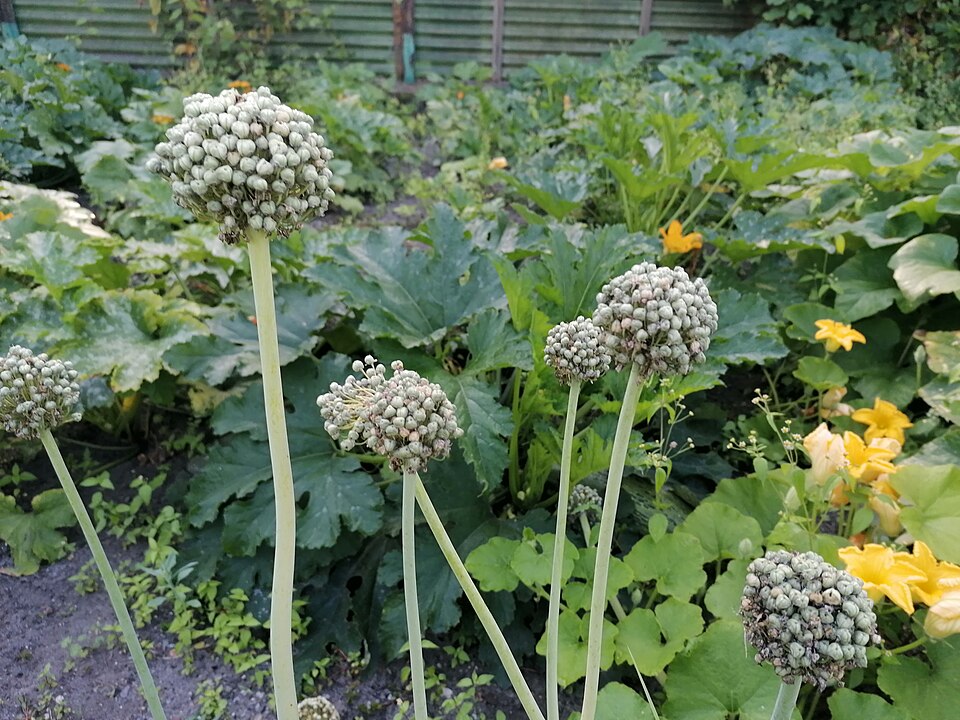
Onions are planted from seeds or small bulbs called “sets” and grow best in loose, well-drained soil with plenty of sunlight. The onion plant sends up tall, hollow green leaves that capture sunlight and send energy down to the growing bulb underground. As the days get longer in summer, the bulb swells larger and larger until it is ready to harvest. Once pulled from the ground, onions need to be dried or “cured” for a few weeks so their outer layers become papery, which helps them last for months in storage.
Fun Facts About Onions
When you cook onions slowly over low heat, a process called caramelizing, their harsh, sharp flavor transforms into a rich, sweet taste. The average American eats about 20 pounds of onions every year, which shows just how important they are in our cooking. Libya holds the record for the highest per-person onion consumption in the world, with people eating about 67 pounds of onions per year. Onion skin has been used as a natural dye for centuries, producing colors ranging from yellow to deep orange depending on the variety.
 OtterKnow Kids Encyclopedia