A Long History
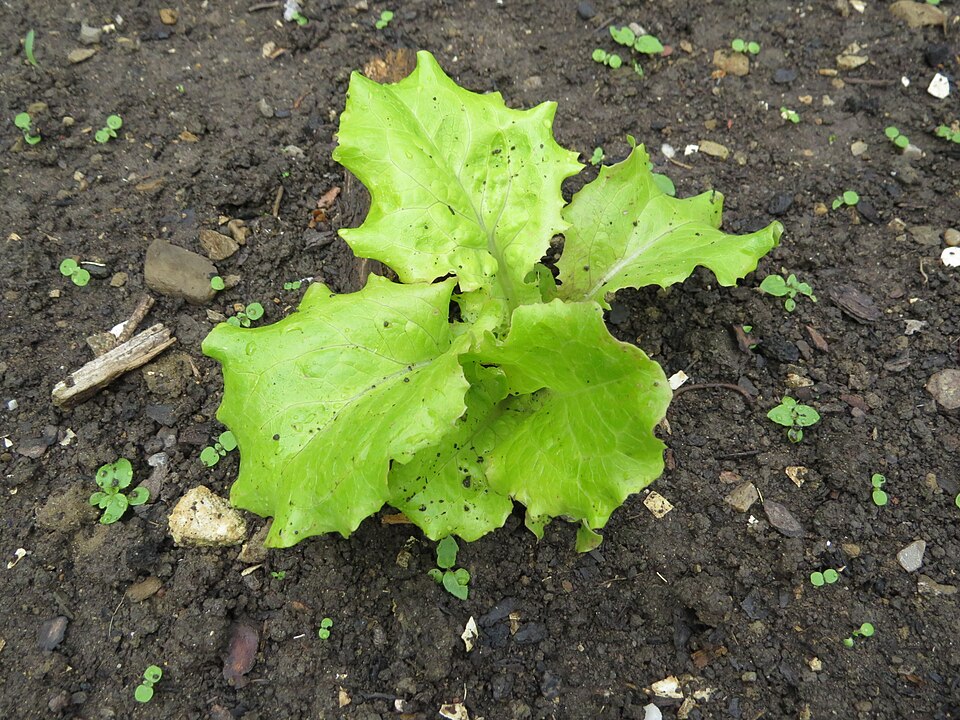
Lettuce is one of the oldest cultivated vegetables, with evidence that ancient Egyptians were growing it as early as 2700 BCE. The Egyptians originally grew lettuce not for its leaves but for its oil-rich seeds, and their lettuce looked very different from what we eat today. The ancient Greeks and Romans also grew lettuce and began developing the leafy varieties that are more familiar to us now. Over the centuries, farmers in different parts of the world bred lettuce into the many shapes, sizes, and colors we enjoy today.
Types of Lettuce
There are four main types of lettuce, each with its own look and texture. Iceberg lettuce forms a tight, round head with crispy, pale green leaves and gets its name from the ice that was used to keep it cold during shipping in the early 1900s. Romaine lettuce has tall, sturdy leaves with a crunchy center rib and is the lettuce used in Caesar salads. Butterhead lettuce, which includes Boston and Bibb varieties, has soft, tender leaves that almost melt in your mouth. Loose-leaf lettuce does not form a head at all but grows as a loose bunch of colorful leaves in shades of green, red, and purple.
How It Grows
Lettuce grows best in cool weather and can be one of the first vegetables planted in a spring garden. When the weather gets too hot, lettuce “bolts,” which means it suddenly shoots up a tall flower stalk and begins producing seeds. Once lettuce bolts, the leaves become very bitter and are no longer pleasant to eat. NASA has even figured out how to grow lettuce in space, and astronauts on the International Space Station have harvested and eaten fresh lettuce grown in a special garden called the Veggie experiment.
Fun Facts About Lettuce
China produces more lettuce than any other country in the world, growing about half of the entire global supply. Lettuce is one of the few vegetables that is almost always eaten raw, though it can also be grilled, braised, or added to soups. A head of iceberg lettuce is about 96 percent water, making it one of the most water-rich foods you can eat. Red and dark green lettuce varieties are more nutritious than pale iceberg lettuce because they contain higher levels of vitamins and antioxidants.
 OtterKnow Kids Encyclopedia