Where They Come From
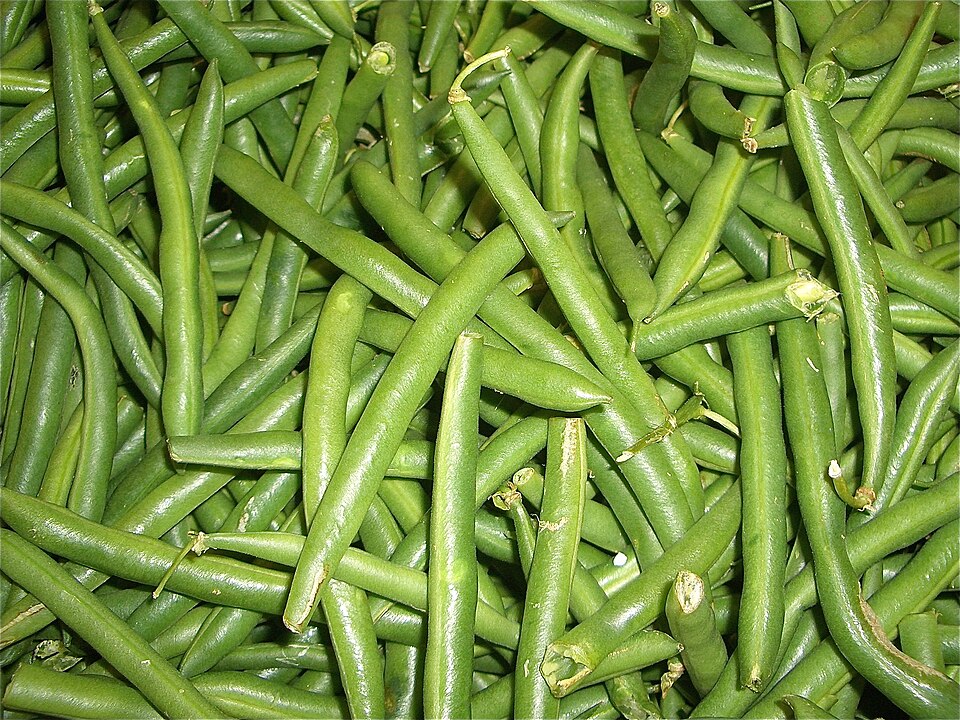
Green beans are native to Central and South America, where Indigenous peoples grew them for thousands of years before Europeans arrived. They were part of a famous planting method called the Three Sisters, in which farmers grew corn, beans, and squash together so each plant could help the others. The bean vines would climb up the tall corn stalks, while the squash leaves spread across the ground to keep weeds away and the soil moist. After Spanish and Portuguese explorers brought beans back to Europe in the 1500s, they became popular in kitchens around the world.
Bush Beans and Pole Beans
Green beans come in two main growing styles: bush beans and pole beans. Bush beans grow on short, compact plants that stand on their own and produce all their beans at about the same time. Pole beans are climbing vines that can grow six to ten feet tall and need a trellis, fence, or pole to climb on. Pole beans produce fewer beans at once but keep growing and making new beans over a longer period. The old name “string beans” comes from a tough fiber that used to run along the seam of the pod, but modern plant breeders have removed this string from most varieties.
Why They Are Good for You
Green beans are a healthy choice because they provide fiber, vitamins, and minerals without very many calories. They are a good source of vitamin C, vitamin K, and folate, which your body needs to stay strong and healthy. Because green beans are legumes, their roots have a special superpower: they work with tiny bacteria in the soil to capture nitrogen from the air and turn it into natural fertilizer. This ability, called nitrogen fixation, means that growing green beans actually improves the soil for other plants that grow there later.
Fun Facts About Green Beans
Green beans are not always green. You can find varieties in yellow (called wax beans), purple, and even speckled red and white. Purple green beans turn green when you cook them because heat breaks down the purple pigment. Green bean casserole, made with cream of mushroom soup and crispy fried onions, is one of the most popular side dishes served at Thanksgiving in the United States. The world record for the longest green bean ever grown is over 48 inches, which is longer than a baseball bat.
 OtterKnow Kids Encyclopedia