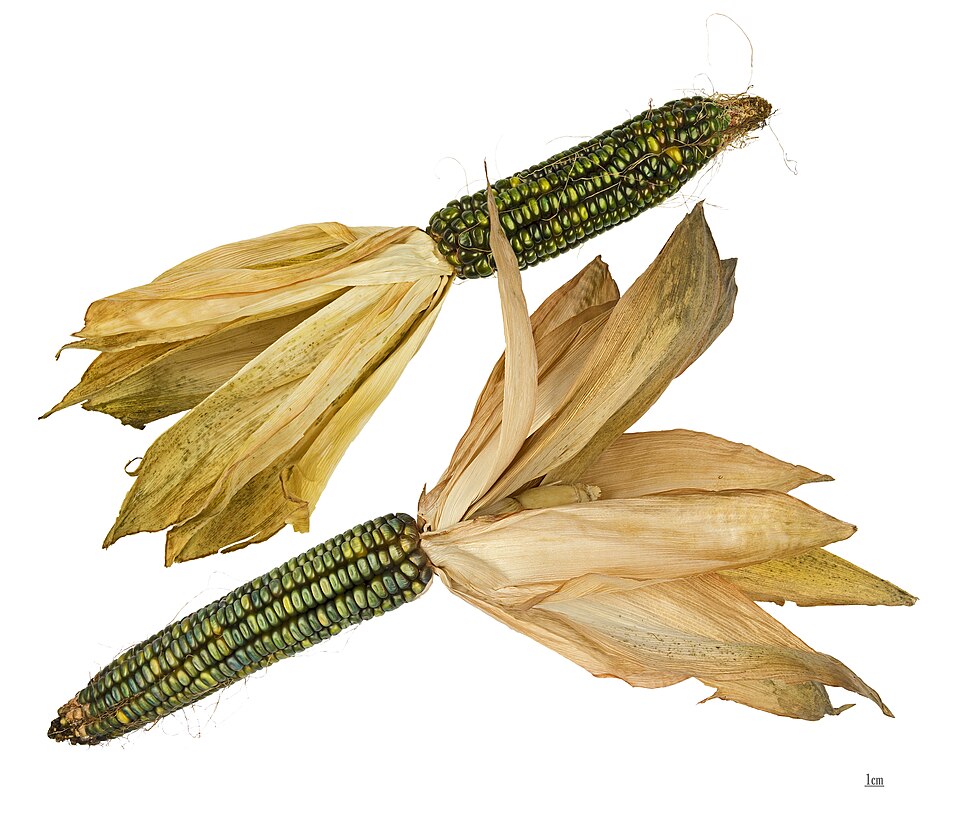
Corn has one of the most surprising origin stories of any food plant. About 10,000 years ago, Indigenous peoples in what is now Mexico began domesticating a wild grass called teosinte, which looked almost nothing like modern corn. Teosinte had tiny ears with only about a dozen hard seeds, but through thousands of years of careful selection, farmers transformed it into the large, juicy corn we know today. This transformation is considered one of the greatest achievements in the history of agriculture, because it took so many generations of patient breeding.
How Corn Grows
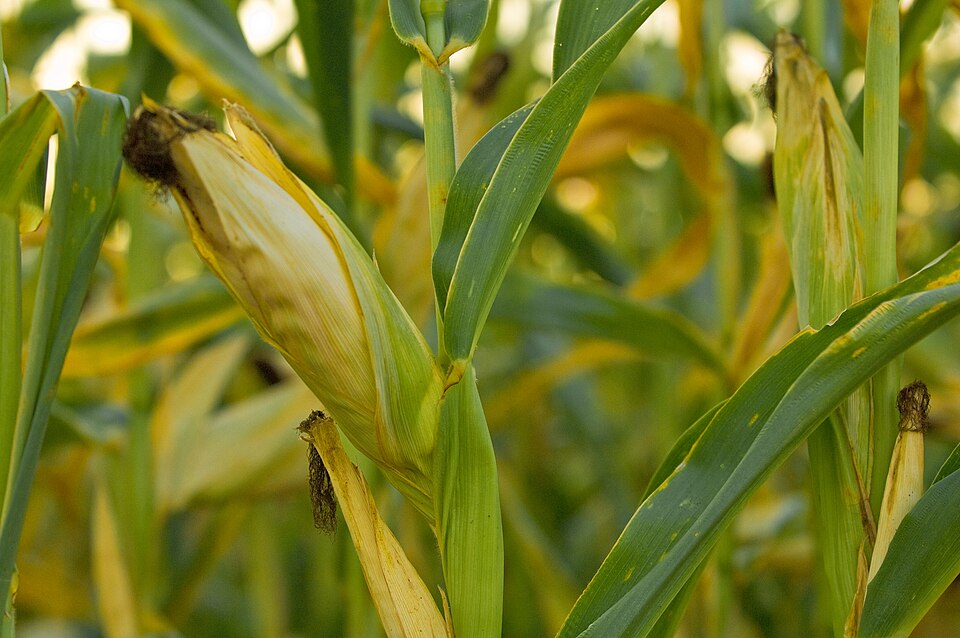
Corn plants can grow very tall, sometimes reaching over ten feet high in just a few months. Each plant produces silky threads that hang from the top of each ear, and every single silk strand is connected to one kernel on the cob. For a kernel to develop, pollen from the tassel at the top of the plant must land on its silk thread, which acts like a tiny tunnel. Corn ears almost always have an even number of rows, usually between 12 and 22, because of the way the kernels develop in pairs.
Corn Is Everywhere
You might be surprised to learn that corn is used in over 4,000 different products beyond just the food on your plate. Corn is turned into ethanol fuel for cars, corn syrup that sweetens many drinks and snacks, and even biodegradable plastics. Popcorn is actually a special variety of corn with a hard outer shell that traps steam inside until it explodes. Other types of corn include sweet corn (what we eat on the cob), dent corn (used for animal feed and processed foods), and flint corn (the colorful “Indian corn” you see in fall decorations).
Fun Facts About Corn
Corn is grown on every continent in the world except Antarctica. An average ear of corn has about 800 kernels, and it takes roughly 1,300 kernels to fill a one-pound bag. The United States is the world’s largest corn producer, growing about one-third of the entire global supply. Indigenous peoples in the Americas traditionally planted corn alongside beans and squash in a combination called the Three Sisters, where each plant helped the others grow.
 OtterKnow Kids Encyclopedia