A Colorful History
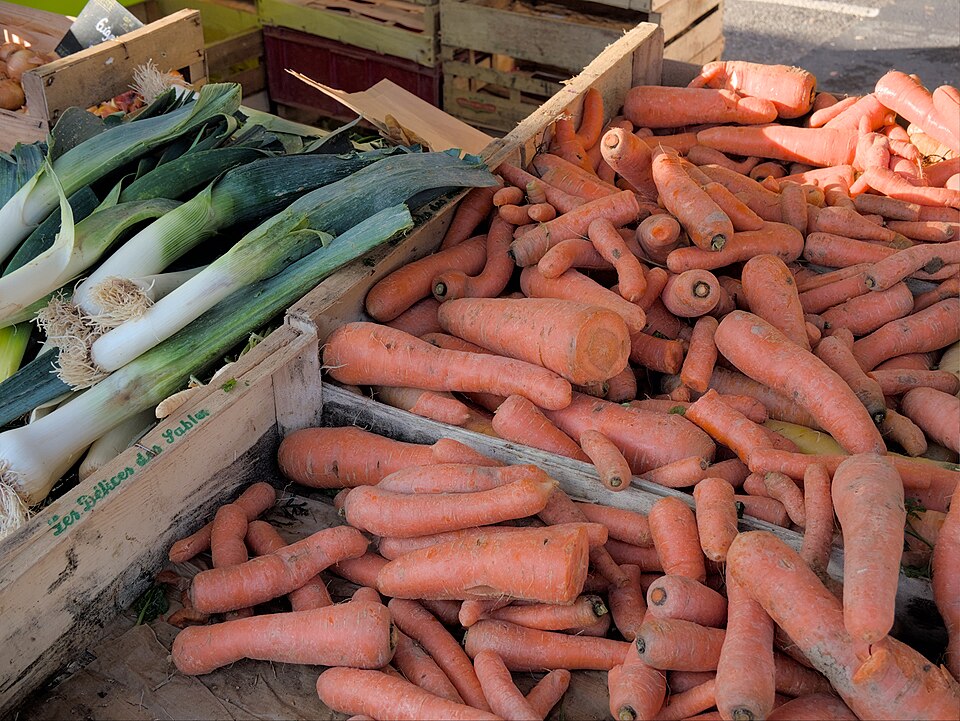
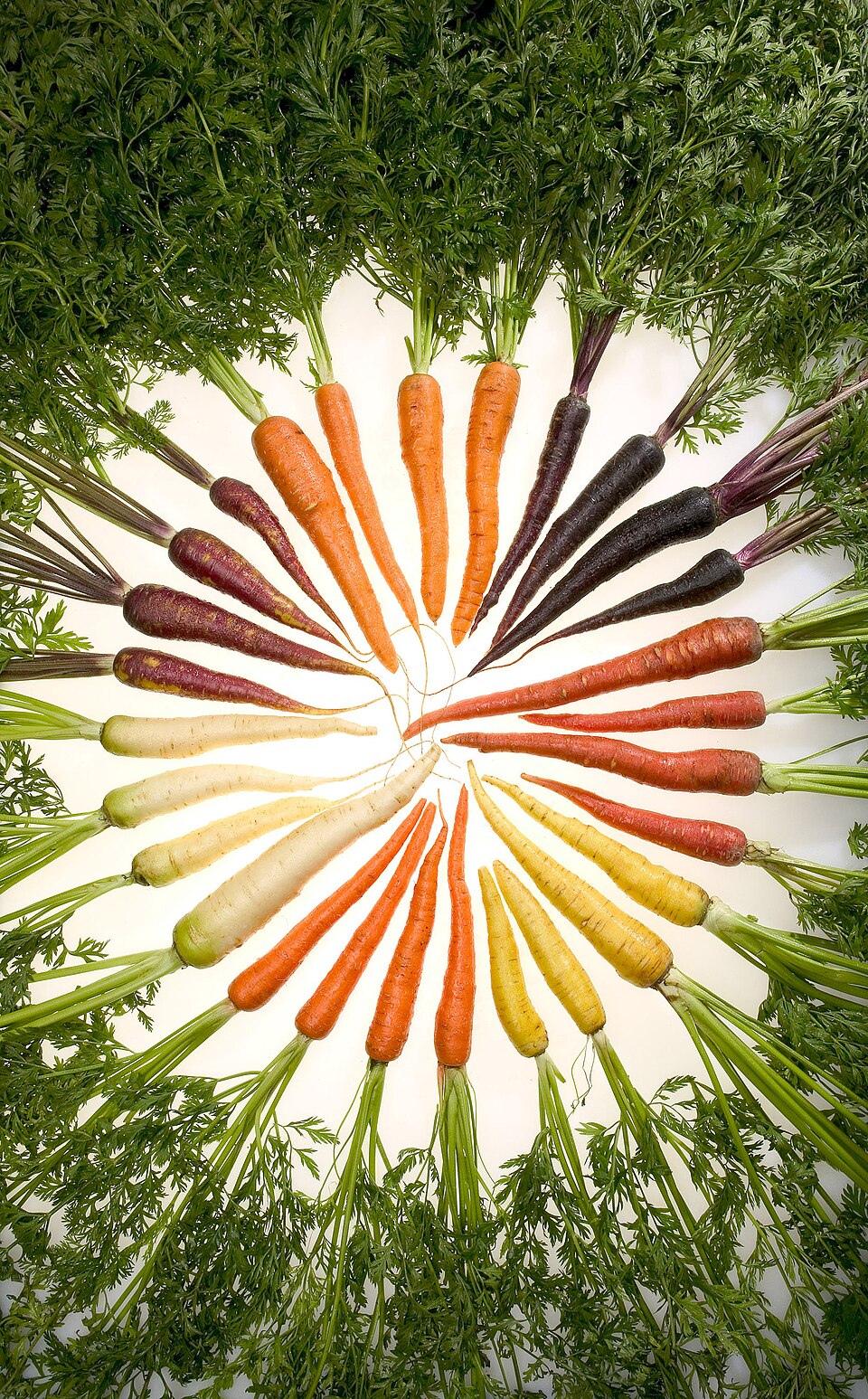
You might be surprised to learn that carrots were not always orange. The earliest carrots, grown in Afghanistan and Persia over a thousand years ago, were purple, yellow, and white. Orange carrots were developed by Dutch farmers in the Netherlands during the 1600s, likely through selective breeding of yellow and red varieties. The wild ancestor of the carrot is a plant called Queen Anne’s lace, which produces a thin, tough, white root that does not taste very good compared to the carrots we enjoy today.
How They Grow
Carrots grow underground and take about two to four months from seed to harvest, depending on the variety. The feathery green tops that poke above the soil are actually the leaves, which gather sunlight to help the plant grow its root bigger and sweeter. Carrots prefer loose, sandy soil because hard or rocky ground can cause the roots to split or grow into strange shapes. The little “baby carrots” you find in stores are usually not a special variety but are regular large carrots that have been cut and shaped by machines.
Carrots and Your Health
Carrots are famous for being good for your eyes, and there is some truth to this claim. They are rich in beta-carotene, an orange pigment that your body converts into vitamin A, which is important for healthy vision. However, the idea that eating carrots gives you super night vision actually comes from a World War II British propaganda campaign designed to hide the existence of radar technology. While carrots do support good eyesight, eating extra carrots will not let you see in the dark like a cat.
Fun Facts About Carrots
If you eat too many carrots over a long period of time, your skin can actually turn slightly orange from a harmless condition called carotenemia. Carrot tops are edible too and can be used in salads, pesto, or soups, though most people throw them away. The world’s longest carrot ever recorded stretched over 20 feet long, grown by a dedicated gardener in a special tube. Carrots are also used to make natural orange food coloring for products like cheese, butter, and some snack foods.
 OtterKnow Kids Encyclopedia