Where They Come From
Bell peppers originally grew wild in Central and South America, where Indigenous peoples had been eating them for thousands of years. When Christopher Columbus arrived in the Americas in the late 1400s, he brought peppers back to Europe, where they quickly spread to kitchens across the continent. Columbus actually called them “peppers” because their flavor reminded him of black pepper, even though the two plants are not related at all. Today, China, Mexico, and Turkey are among the world’s largest bell pepper producers.
How They Grow and Change Color
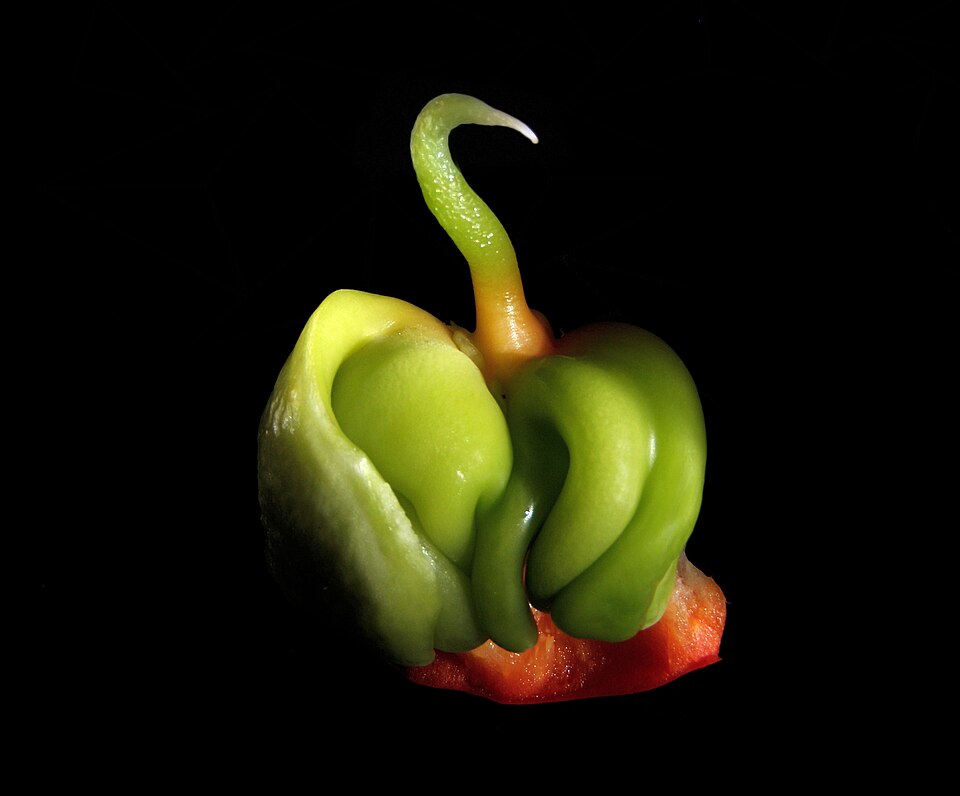
Bell peppers grow on bushy plants that love warm weather and plenty of sunshine. A green bell pepper is actually an unripe pepper that has not finished developing its full color yet. If you leave a green pepper on the plant long enough, it will slowly turn yellow, orange, or red depending on the variety. This ripening process also makes the pepper sweeter and more nutritious, which is why red bell peppers taste less bitter than green ones.
Why They Are Good for You
Bell peppers are packed with vitamins, especially vitamin C. A single red bell pepper actually contains more vitamin C than an orange, making it one of the best sources of this important nutrient. They also provide vitamin A, which helps keep your eyes and skin healthy, and vitamin B6, which helps your body turn food into energy. The bright colors of bell peppers come from natural pigments called carotenoids, which act as antioxidants that protect your cells.
Fun Facts About Bell Peppers
Bell peppers and hot peppers belong to the exact same species, but different genes control whether a pepper produces capsaicin or not. You can find bell peppers in many colors beyond the common green, red, yellow, and orange, including purple, white, and even chocolate brown. Bell peppers have three or four bumps on the bottom, and some people believe that four-bumped peppers are sweeter, though scientists say there is no real difference in taste. In many countries, bell peppers are called “capsicums” or “sweet peppers” instead of bell peppers.
 OtterKnow Kids Encyclopedia