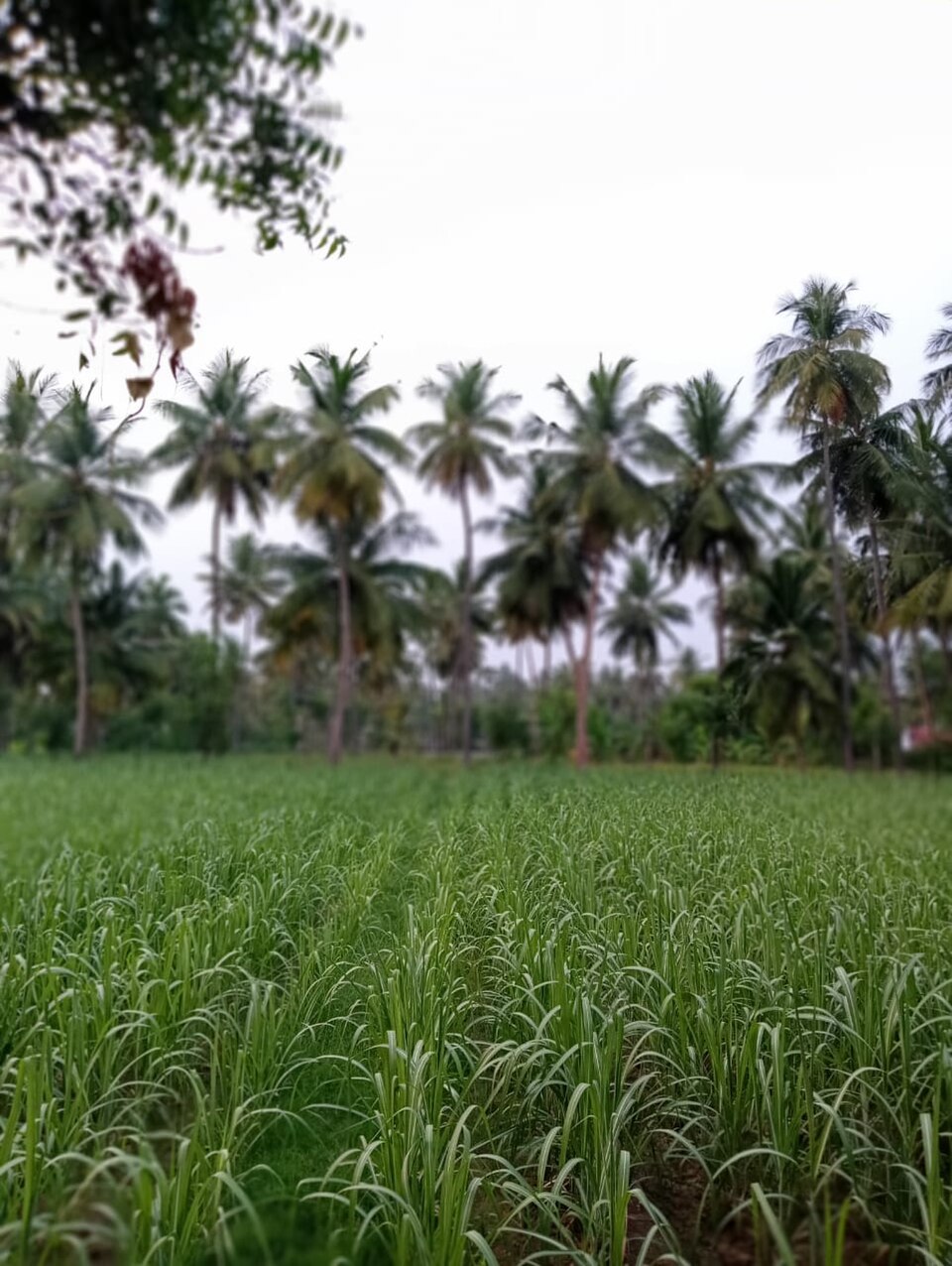
How Sugar Is Made
The process of turning sugar cane into the white crystals on your kitchen table involves several fascinating steps. After the cane is harvested, the stalks are crushed between heavy rollers to squeeze out the sweet juice inside. This juice is then heated, filtered, and boiled until sugar crystals begin to form in the thickening liquid. The crystals are spun in a centrifuge, which is like a giant washing machine on spin cycle, to separate them from the remaining thick, dark liquid called molasses. The raw sugar is further refined and bleached to produce the pure white sugar that most people are familiar with.
Sugar Cane Through History
Sugar cane has a long and sometimes troubled history that has shaped the modern world. People in New Guinea and Southeast Asia chewed raw sugar cane for thousands of years before anyone figured out how to make solid sugar around 500 BCE in India. Arab traders brought sugar to the Mediterranean region, and European colonizers later established enormous sugar cane plantations in the Caribbean and the Americas. Tragically, the enormous demand for sugar was one of the main drivers of the transatlantic slave trade, as millions of enslaved Africans were forced to work on sugar plantations. The sweetness we enjoy today carries a painful history that is important to remember and learn from.
Sugar Cane as Fuel
One of the most surprising uses for sugar cane is as a source of fuel for cars and trucks. Brazil, the world’s largest sugar cane producer, has pioneered the use of ethanol made from sugar cane as a replacement for gasoline. The process works by fermenting the sugar cane juice to produce alcohol, which is then blended with gasoline or used on its own to power vehicles. About half of Brazil’s cars can run on pure ethanol or any blend of ethanol and gasoline. Sugar cane ethanol produces much less carbon dioxide than regular gasoline, making it a more environmentally friendly fuel option.
Sugar Cane Products
Sugar cane gives us far more than just table sugar. Molasses, the thick syrup left over after sugar crystals are removed, is used in baking, barbecue sauces, and animal feed. Rum, a drink popular in Caribbean culture, is made by fermenting and distilling molasses or sugar cane juice. The fibrous material left after the juice is squeezed out, called bagasse, is burned as fuel to power the sugar mills themselves or is made into paper and building materials. Sugar cane produces about 80 percent of the world’s sugar supply, with the remaining 20 percent coming from sugar beets grown in cooler climates.
 OtterKnow Kids Encyclopedia