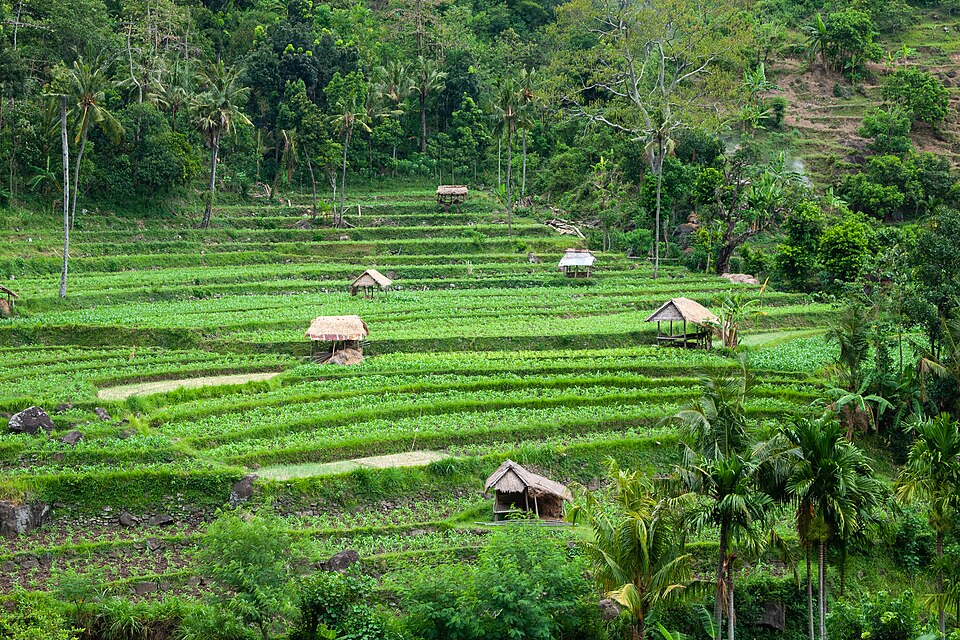
Growing Rice in Paddies
Most rice is grown in flooded fields called paddies, which is one of the most distinctive farming methods in the world. Farmers flood their fields with several inches of water before planting young rice seedlings in neat rows. The standing water serves an important purpose: it keeps weeds from growing, controls certain pests, and helps regulate the temperature of the soil. Rice paddies carved into hillsides create stunning terraced landscapes, like the famous rice terraces of the Philippines, which have been farmed for over 2,000 years. When the rice is ready to harvest, the fields are drained and the golden stalks are cut and threshed to separate the grains.
White Rice, Brown Rice, and More
The color and nutrition of rice depend on how much processing it goes through after harvest. Brown rice is the whole grain with only the outermost husk removed, keeping the nutritious bran and germ layers intact. White rice has been further milled to remove the bran and germ, giving it a milder flavor and softer texture but stripping away many vitamins and minerals. There are also specialty varieties like red rice, black rice (sometimes called forbidden rice), and wild rice, each with its own flavor and nutritional profile. In many countries, white rice is enriched by adding back vitamins that were lost during processing.
Rice Beyond the Dinner Table
Rice is far more versatile than most people realize, with uses that go well beyond cooking. Rice flour is used to make noodles, crackers, and the thin wrappers for spring rolls and dumplings. In Japan, rice is fermented to make rice vinegar, miso paste, and sake, a traditional rice wine. Rice straw is woven into mats, sandals, and packaging materials, while rice husks are burned as fuel or used to make building materials. Rice bran oil is extracted from the outer layer of the grain and used for cooking and cosmetics. Even the water left over from washing rice is used in some cultures as a hair rinse or skin treatment.
Rice and the Environment
While rice feeds billions of people, its production also raises important environmental questions. Flooded rice paddies produce methane, a powerful greenhouse gas, because bacteria in the waterlogged soil break down organic matter without oxygen. Rice farming accounts for a significant portion of global methane emissions and uses enormous amounts of fresh water. Scientists and farmers are working together to develop new growing techniques that reduce both water use and methane production. Some researchers are also developing rice varieties that can tolerate drought and flooding better, which will be crucial as climate change brings more extreme weather to farming regions around the world.
 OtterKnow Kids Encyclopedia