How Sap Becomes Syrup
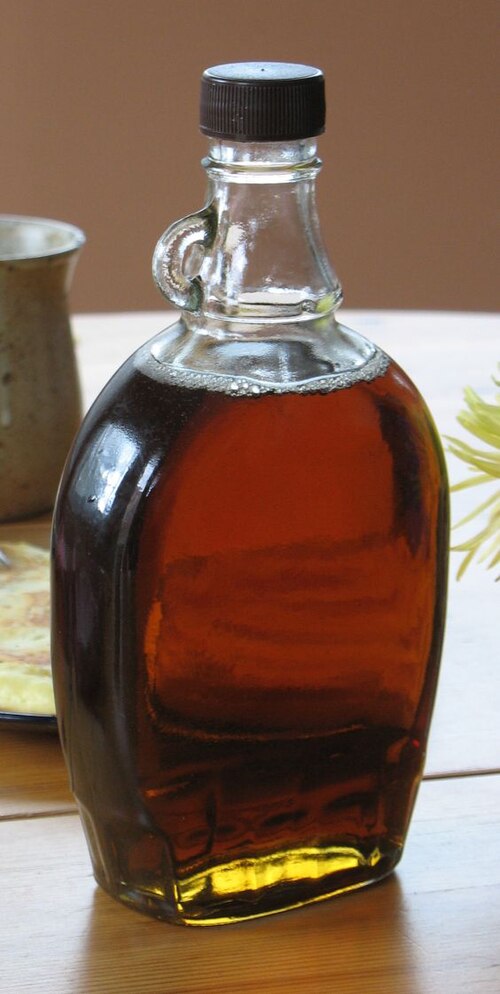
Making maple syrup is a tradition that dates back centuries, and the basic process has not changed much over time. In late winter and early spring, when daytime temperatures rise above freezing but nights are still cold, sap begins flowing through the maple tree. Farmers drill small holes into the trunks and insert spouts called spiles, allowing the clear, slightly sweet sap to drip into buckets or flow through plastic tubing. The sap is only about two percent sugar, so it must be boiled down to concentrate the sweetness. It takes an astonishing 40 gallons of sap to produce just one gallon of finished maple syrup.
Native American Origins
Long before European settlers arrived in North America, Native American peoples had already discovered the secret of maple sap. The Algonquin, Iroquois, and Abenaki peoples developed methods for collecting and boiling sap into sugar and syrup each spring. According to one legend, a chief threw his tomahawk into a maple tree one evening, and the next morning his wife collected the sap that dripped out and used it to cook dinner. Native Americans taught European colonists the art of sugaring in the 1600s, and the tradition quickly spread throughout New England and Quebec. The annual maple sugaring season became an important cultural event that communities still celebrate today.
Canada’s Maple Empire
Canada is the undisputed champion of maple syrup production, responsible for about 71 percent of the world’s supply. The province of Quebec alone produces roughly three-quarters of all Canadian maple syrup, making it the maple capital of the world. Quebec takes its maple syrup so seriously that it maintains a strategic reserve of millions of pounds of syrup, stored in giant warehouses, to keep prices stable and supply steady. Vermont is the leading maple syrup producer in the United States, followed by New York and Maine. The industry generates hundreds of millions of dollars each year and supports thousands of farming families.
Tapping Without Harming
One of the wonderful things about maple syrup production is that tapping does not harm the tree. A healthy sugar maple can be tapped for decades without suffering damage, and the small drill holes heal over within a year or two. Trees must be at least 10 to 12 inches in diameter before they can be tapped, which usually means they are about 40 years old. Large trees can support two or even three taps at once. The sap that people collect is only a small fraction of what the tree produces, so there is plenty left to feed the tree’s own growth and leaf production each spring.
 OtterKnow Kids Encyclopedia