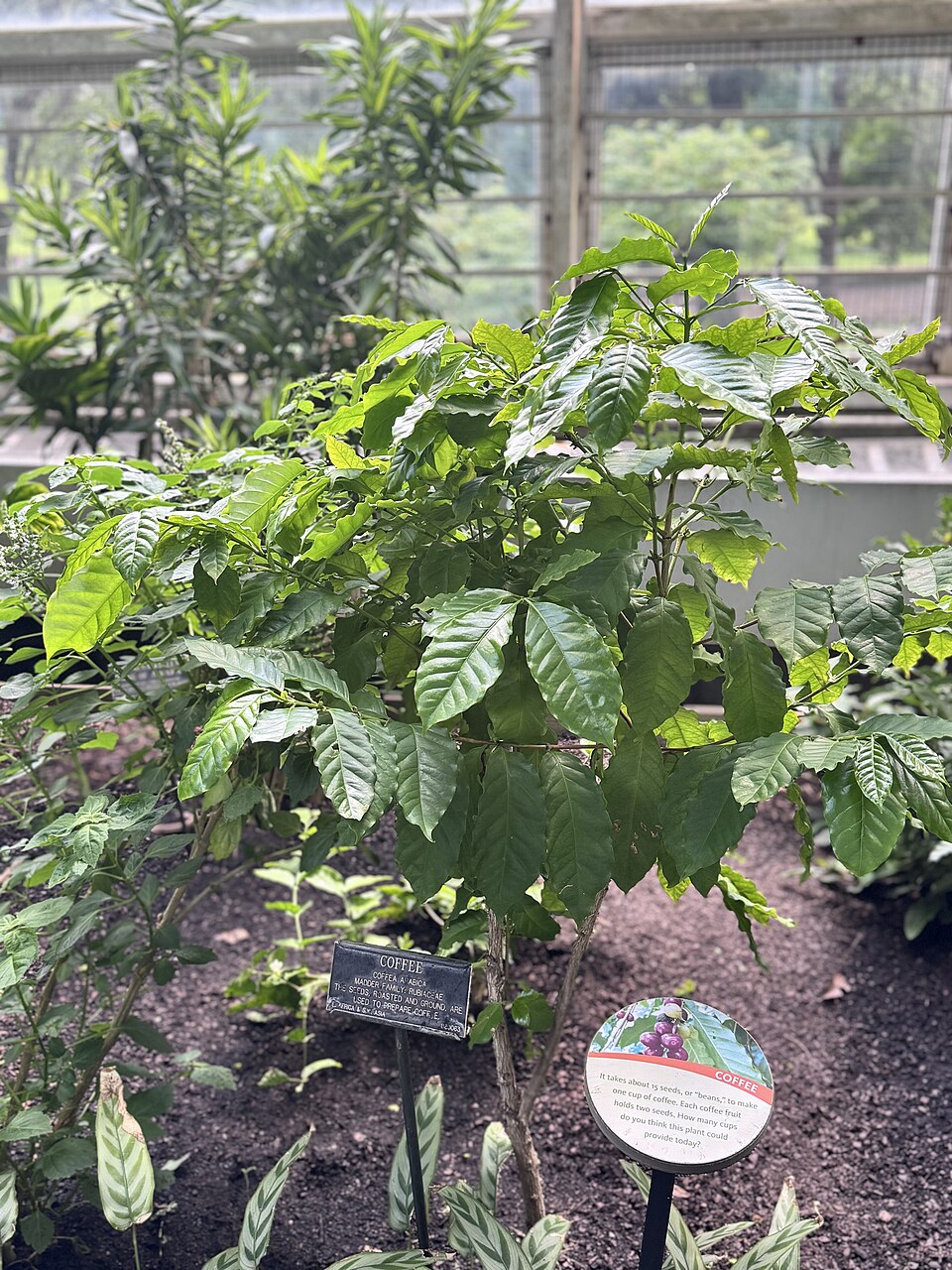
Where Coffee Grows
Coffee plants are picky about where they grow, thriving only in a narrow band around the equator known as the Coffee Belt. This zone stretches between the Tropic of Cancer and the Tropic of Capricorn, covering parts of Central America, South America, Africa, and Southeast Asia. The plants need warm temperatures, plenty of rainfall, and rich soil, usually at elevations between 3,000 and 6,000 feet above sea level. Brazil is by far the world’s largest coffee producer, growing about one-third of all the coffee on Earth. Other major coffee-growing countries include Vietnam, Colombia, Ethiopia, and Indonesia.
The Legend of Coffee’s Discovery
According to a famous legend, coffee was discovered by accident more than a thousand years ago in Ethiopia. A young goat herder named Kaldi noticed that his goats became unusually energetic and playful after eating the bright red berries from a certain bush. Curious, Kaldi tried the berries himself and felt a burst of energy. He brought the berries to a local monastery, where monks brewed them into a drink that helped them stay awake during long evening prayers. While this story may be more legend than fact, coffee did originate in Ethiopia and spread from there across the Arab world and eventually to Europe.
From Cherry to Cup
Turning a coffee cherry into the drink that adults enjoy is a surprisingly complex process. Each cherry is picked by hand when it turns bright red, and the outer fruit is removed to reveal the green coffee beans inside. The beans are washed, dried in the sun, and then shipped to roasters around the world. Roasting transforms the green beans into the dark brown, fragrant beans we recognize, and the temperature and timing of roasting determine the flavor. A single coffee tree produces only about one to two pounds of roasted coffee per year, so it takes many trees to supply even one coffee shop.
Coffee’s Impact on the World
Coffee is one of the most important trade goods on the planet, with billions of cups consumed every day. It is the second most traded commodity in the world after crude oil, supporting the livelihoods of about 125 million people in coffee-growing regions. Coffee contains a natural chemical called caffeine, which is why it helps adults feel more alert and awake. The coffee trade has shaped history, economics, and cultures around the world, from the coffeehouses of the Ottoman Empire to the cafes of Paris. Today, the “fair trade” movement works to ensure that coffee farmers receive fair payment for their hard work.
 OtterKnow Kids Encyclopedia