The Unusual Cocoa Pod
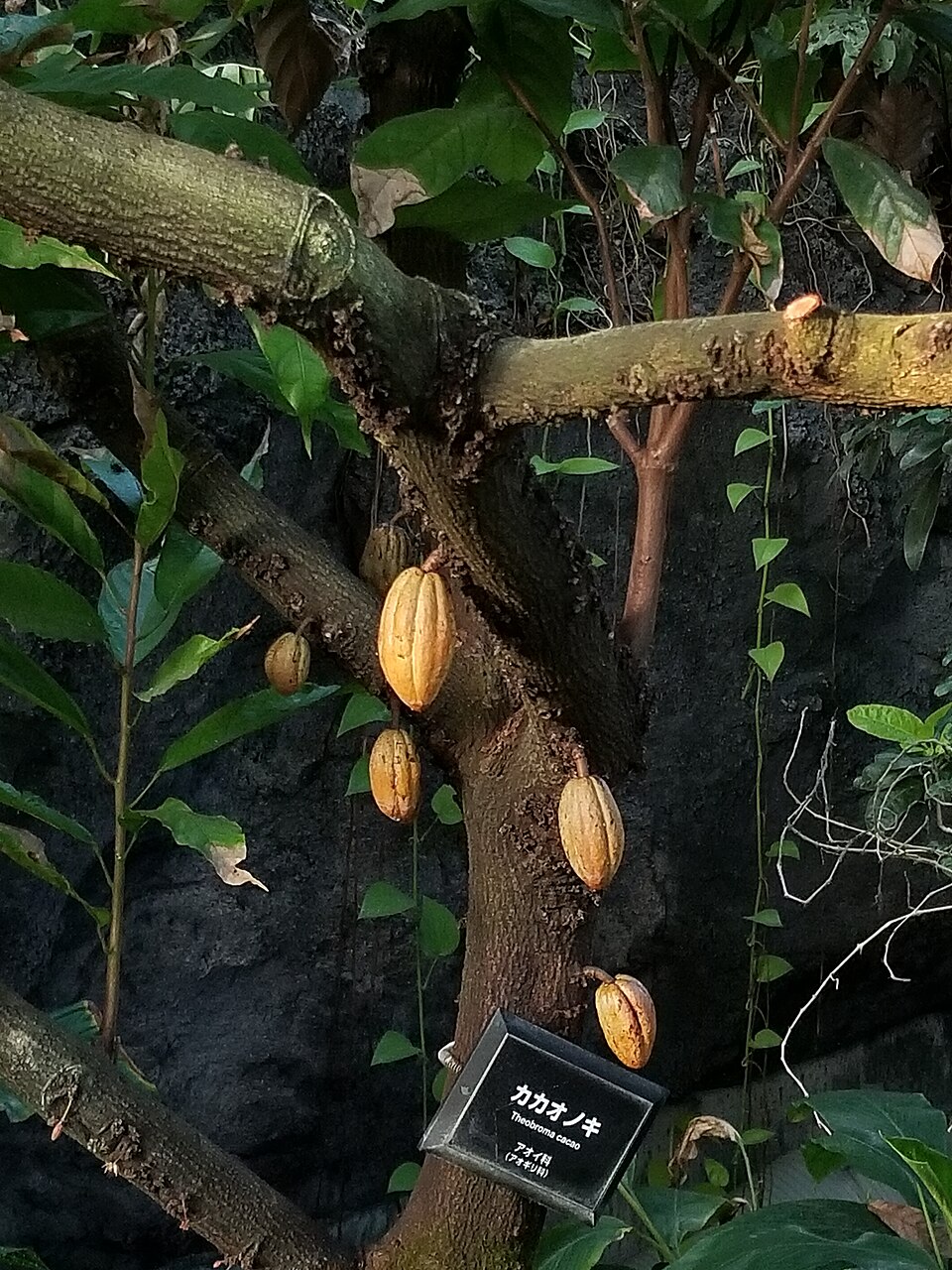
One of the most surprising things about the cocoa tree is the way its flowers and fruit grow. Instead of appearing on the tips of branches like most trees, cocoa flowers sprout directly from the trunk and larger branches in a pattern called cauliflory. Tiny pink and white flowers bloom year-round, but only a small number develop into large, colorful pods. Each football-shaped pod contains 30 to 50 cocoa beans surrounded by sweet, white pulp. It takes roughly 400 dried beans to make just one pound of chocolate.
From Bean to Chocolate
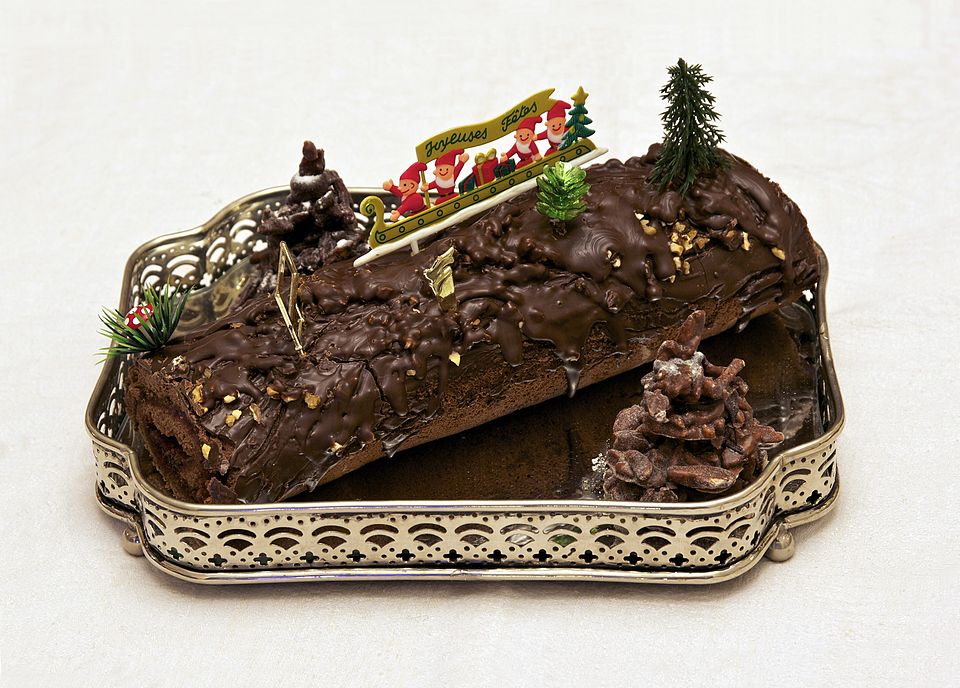

Turning cocoa beans into chocolate is a long and fascinating process. After the pods are harvested and cracked open, the beans and pulp are piled together and left to ferment for several days, which is essential for developing chocolate’s rich flavor. The fermented beans are then spread out in the sun to dry before being roasted, cracked, and ground into a thick paste called chocolate liquor. This paste can be further processed into cocoa butter, cocoa powder, or combined with sugar and milk to create the chocolate we eat. Without the fermentation step, chocolate would taste bitter and unpleasant.
Cocoa in History
The story of chocolate stretches back over 3,000 years to the ancient civilizations of Central America. The Olmec, Maya, and Aztec peoples all valued cacao highly, drinking it as a frothy, spicy beverage mixed with chili peppers and vanilla. The Aztecs considered cacao beans so precious that they used them as money, and a single turkey could cost about 100 beans. When Spanish explorers brought cacao back to Europe in the 1500s, they added sugar to the bitter drink, and chocolate quickly became wildly popular. It was not until the 1800s that people figured out how to make solid chocolate bars.
Growing Cocoa Today
Today, about 70 percent of the world’s cocoa comes from West African countries, especially Ivory Coast and Ghana. A single cocoa tree produces around 400 beans per year, which is barely enough to make one pound of chocolate. Cocoa farming is challenging because the trees are vulnerable to diseases and pests, and they need very specific growing conditions. Many organizations are working to make cocoa farming more sustainable and to ensure that farmers receive fair prices for their crops. Scientists are also developing stronger cocoa tree varieties that can resist diseases and produce more beans.
 OtterKnow Kids Encyclopedia