How They Grow and Spread
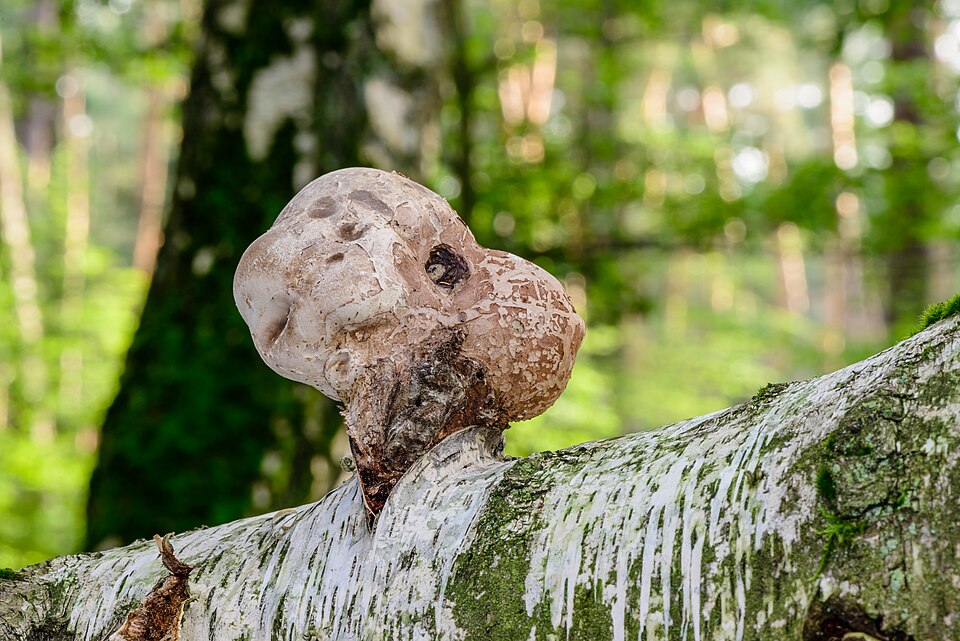
The part of a bracket fungus you can see on a tree is only a small portion of the whole organism. Hidden inside the wood is a vast network of tiny threads called mycelium, which spread through the tree like an invisible web. Underneath the bracket, there are thousands of tiny tubes called pores, and each tube is lined with cells that produce microscopic spores. When the spores are released, they drift through the air and land on other trees, starting new fungal colonies. Some bracket fungi grow slowly over many years, adding a new layer each season, and certain species can live for decades.
Their Role in Nature
Bracket fungi are the forest’s recyclers, playing a vital role as decomposers in forest ecosystems. They break down dead and dying wood, turning tough tree trunks into soft, crumbly material that enriches the soil. Without bracket fungi and other decomposers, fallen trees and branches would pile up endlessly on the forest floor. As they break down wood, they release nutrients like nitrogen and carbon back into the soil, feeding new plants and trees. Some bracket fungi attack living trees, which can weaken them, but even this creates important habitat for woodpeckers, insects, and other wildlife.
Surprising Facts About Bracket Fungi
Some bracket fungi grow to enormous sizes, with certain species weighing hundreds of pounds. The artist’s conk, a type of bracket fungus, has a smooth white underside that turns brown when scratched, so people have used it as a natural drawing surface for centuries. One of the most famous bracket fungi is Fomes fomentarius, which was carried by Otzi the Iceman, a 5,300-year-old mummy found in the Alps, because it could be used as tinder to start fires. Bracket fungi are also being studied by scientists who are exploring ways to use fungal mycelium to create building materials, packaging, and even leather substitutes.
Spotting Bracket Fungi
You can find bracket fungi in forests, parks, and even on street trees in cities and towns. Look for hard, woody shelves growing on the trunks of both living and dead trees, especially after rainy weather. Their colors range from creamy white and tan to dark brown, gray, and even reddish-orange. Some have beautiful banding patterns on their upper surface, with rings of different colors marking each year of growth. While they are fascinating to observe, it is important to remember that you should never eat wild fungi unless a trained expert has identified them as safe.
 OtterKnow Kids Encyclopedia