What It Looks Like
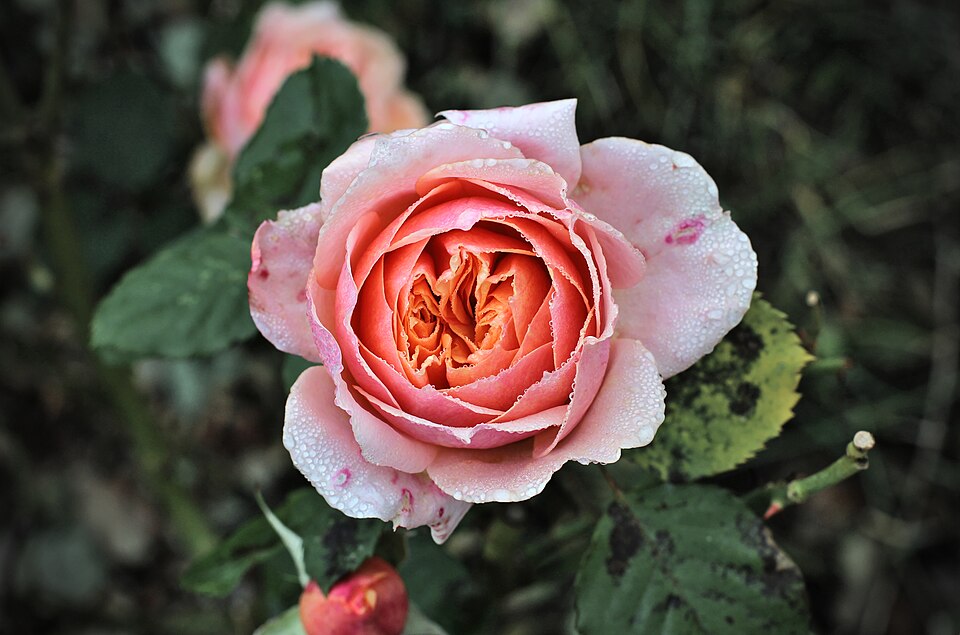
Rose flowers range from simple five-petaled blooms like those of wild species to elaborate, many-layered creations with 40 or more petals in modern hybrid varieties. They come in nearly every color except true blue, including red, pink, white, yellow, orange, lavender, and even multicolored striped patterns. The stems of most roses are armed with sharp, curved structures commonly called thorns, though botanists point out that these are technically prickles because they grow from the outer layer of the stem rather than from the woody tissue inside. Rose leaves are compound, meaning each leaf is divided into several smaller leaflets, usually five or seven, with toothed edges. The plants themselves range from tiny miniature roses just 15 centimeters tall to massive climbing roses that can scale walls and trees up to 15 meters high.
How It Grows
Roses can be grown from seeds, cuttings, or grafted plants, with grafting being the most common commercial method because it produces stronger, more disease-resistant plants. Most garden roses bloom repeatedly throughout the growing season, sending up new flowers every six to eight weeks from spring until frost. Roses need at least six hours of direct sunlight daily, regular watering, and rich, well-drained soil to perform their best. Pruning is an important part of rose care because it removes dead or diseased wood, shapes the plant, and encourages fresh growth that produces more flowers. In cold climates, gardeners protect their roses in winter by mounding soil or mulch around the base of the plant.
Where It Grows
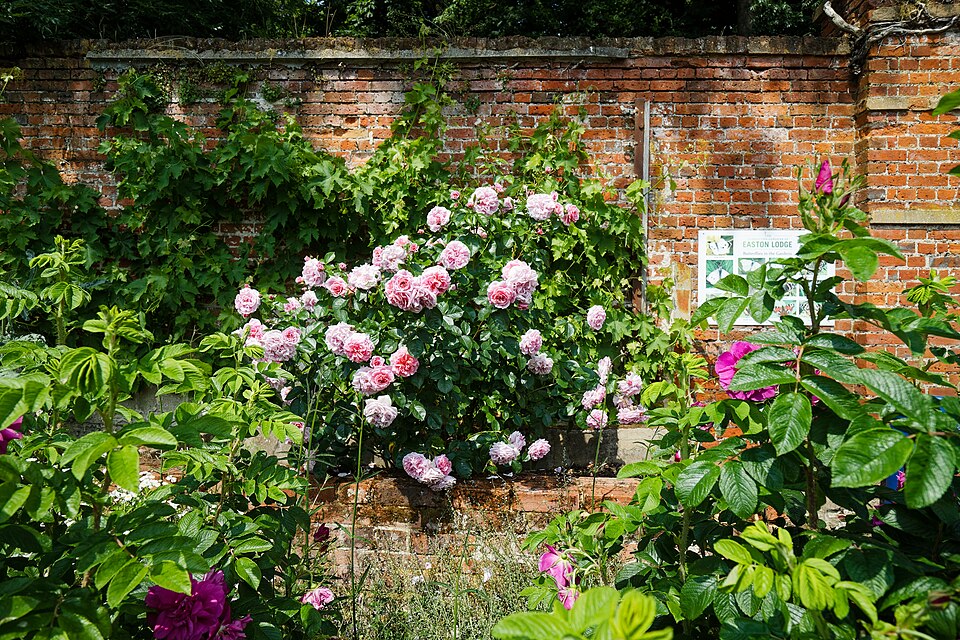 all around the world. Most roses have a wonderful sweet smell that people use to make perfume, soap, and even candy. Rose bushes have sharp thorns on their stems that help protect the plant from animals that might want to eat it.
Wild roses are found across the entire Northern Hemisphere, from the Arctic Circle to the subtropics, growing in habitats ranging from coastal dunes to mountain meadows. The greatest diversity of wild rose species is found in central and western Asia, which is likely where roses were first cultivated. Modern rose cultivation is a global industry, with major growing operations in countries like Ecuador, Colombia, Kenya, the Netherlands, and China. Roses can be grown successfully in most temperate and subtropical climates, though different varieties have been bred to handle everything from scorching desert heat to harsh northern winters.
Pollinators and Seeds
Wild roses with simple, open flowers attract bees, beetles, butterflies, and other insects with their bright petals and sweet fragrance. Many modern hybrid roses with densely packed petals have lost some of their ability to attract pollinators because the extra petals make it harder for insects to reach the nectar and pollen. After pollination, roses produce fruit called rose hips, which are round or oval structures that turn red or orange when ripe and contain multiple seeds inside. Rose hips are an important food source for birds and small mammals, and they are exceptionally rich in vitamin C, containing up to 20 times more than oranges by weight.
Uses and Symbolism
Roses have been used in perfume-making since ancient times, and producing rose attar, a precious essential oil, requires an astonishing 60,000 flowers to yield just one ounce of oil. Rose petals are used in cooking to make rosewater, jams, teas, and Turkish delight, and rose hips are harvested for teas, syrups, and vitamin supplements. In art, literature, and poetry, roses symbolize love, beauty, and passion, with different colors carrying different meanings: red for romantic love, white for purity, yellow for friendship, and pink for gratitude. The rose has been an emblem of royalty and power for centuries, featured on the coats of arms of English noble families during the Wars of the Roses in the 1400s.
Interesting Facts
The world’s oldest living rose bush grows on the wall of the Hildesheim Cathedral in Germany and is believed to be about 1,000 years old, having survived even the bombing of the cathedral during World War II. Rose fossils found in Colorado show that roses have been growing in North America for at least 35 million years, long before humans existed. The sharp prickles on rose stems are not just for defense but also help the plant grip onto trees and other structures as it climbs toward sunlight. A single hybrid tea rose can produce blooms for 20 years or more with proper care, and some heritage rose varieties passed down through generations are still growing in gardens today from plants originally rooted centuries ago.
 OtterKnow Kids Encyclopedia