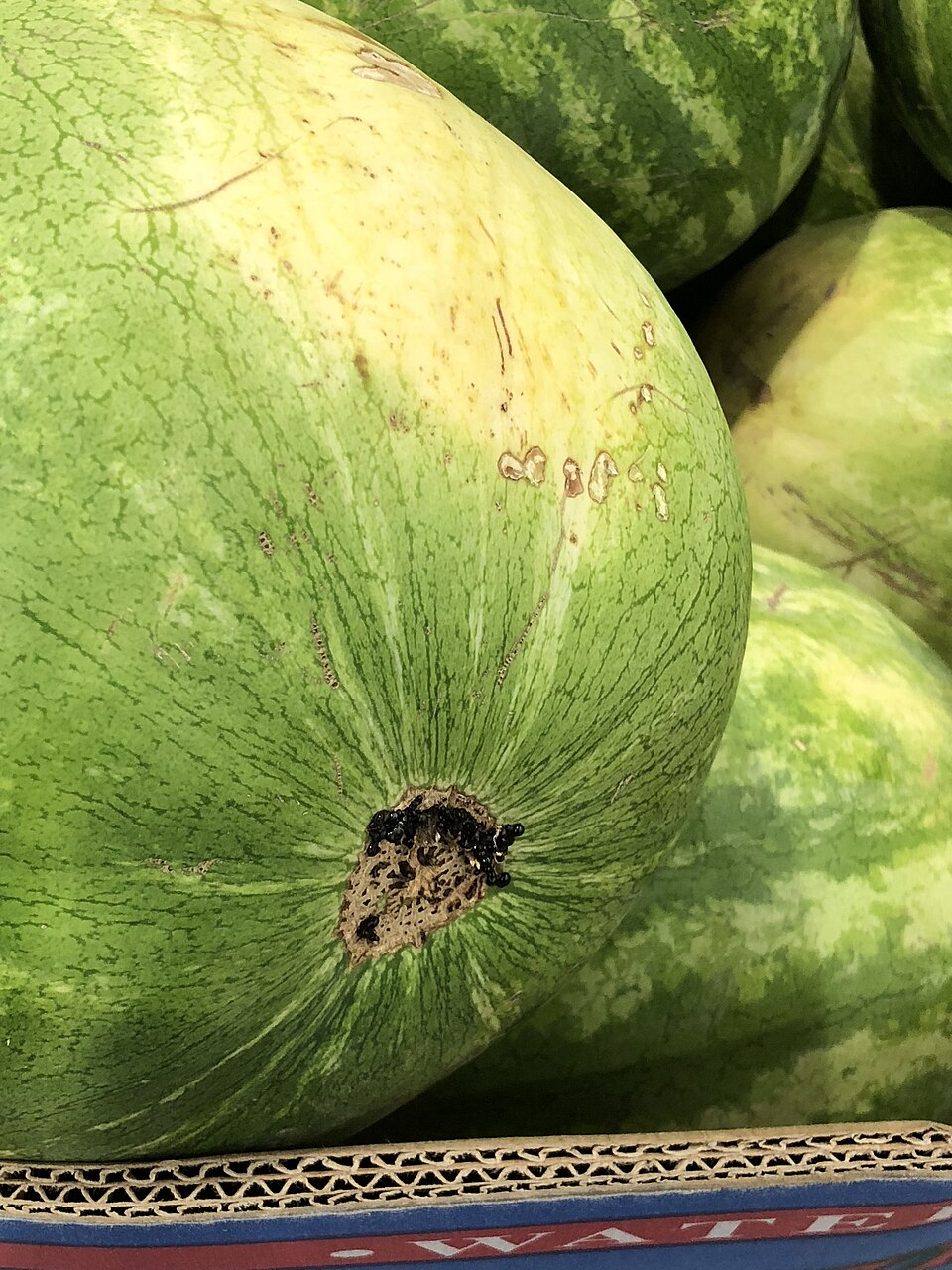
Where Watermelons Come From
Watermelons are native to the African continent, where wild ancestors still grow in the Kalahari Desert region. Ancient Egyptians grew watermelons more than 4,000 years ago, and watermelon seeds were even found in the tomb of Pharaoh Tutankhamun, better known as King Tut. Traders and travelers spread watermelons across the Mediterranean, into Asia, and eventually to the Americas with European colonists. Today, China is by far the world’s largest watermelon producer, growing more than all other countries combined.
How Watermelons Grow
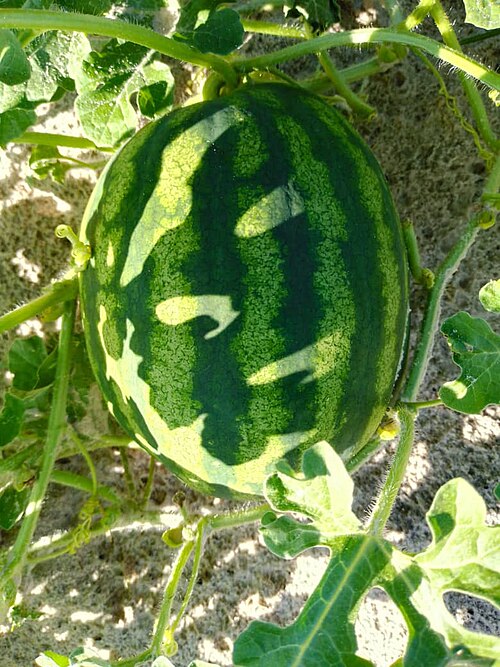
Watermelon plants are sprawling vines that creep along the ground, sometimes stretching 15 feet or more from the main stem. The vines produce yellow flowers that must be pollinated by bees, and each vine can produce two to four melons in a season. It takes about 80 to 90 days from planting for a watermelon to fully ripen, and farmers often check ripeness by tapping the melon and listening for a deep, hollow sound. Watermelons need plenty of warm sunshine and sandy, well-drained soil to develop their sweetest flavor.
Watermelon Science
The red and pink color of watermelon flesh comes from a pigment called lycopene, the same compound that makes tomatoes red. Seedless watermelons are not genetically modified; instead, they are created by crossing plants with different numbers of chromosomes, producing a sterile fruit that cannot make mature seeds. In 2007, the state of Oklahoma declared watermelon to be both its state vegetable and its state fruit, since the plant is technically related to vegetables like cucumbers but produces sweet fruit. Japanese farmers have become famous for growing square watermelons by placing young melons inside cube-shaped glass boxes, though these novelty melons can cost over 100 dollars each.
Watermelons in Our Lives
Watermelon is a summer favorite at picnics, barbecues, and Fourth of July celebrations across the United States. Beyond just eating the red flesh, people in many cultures also eat watermelon seeds (roasted as a snack) and the rind (pickled or stir-fried). Watermelon is a good source of vitamins A and C and provides natural electrolytes, making it a refreshing choice after playing sports on a hot day. Competitive watermelon-eating contests and seed-spitting competitions are popular summer events, with the world record for seed spitting stretching an impressive 75 feet.
 OtterKnow Kids Encyclopedia