Where Mangoes Come From
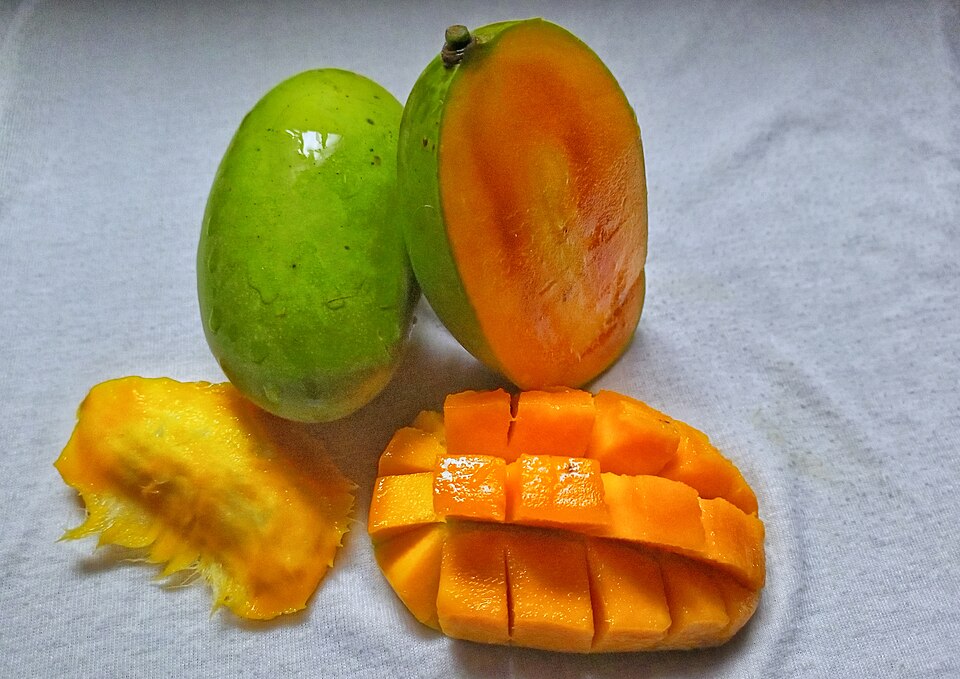
Mangoes have been cultivated in South Asia for more than 4,000 years, with some historians believing they were first grown in what is now eastern India and Myanmar. Buddhist monks and traders helped spread mango trees across Southeast Asia and eventually to East Africa and Brazil. The mango is so important culturally that it is the national fruit of India, Pakistan, and the Philippines. Today, India produces about 40 percent of the world’s mangoes, though most of that crop is eaten within the country rather than exported.
How Mangoes Grow
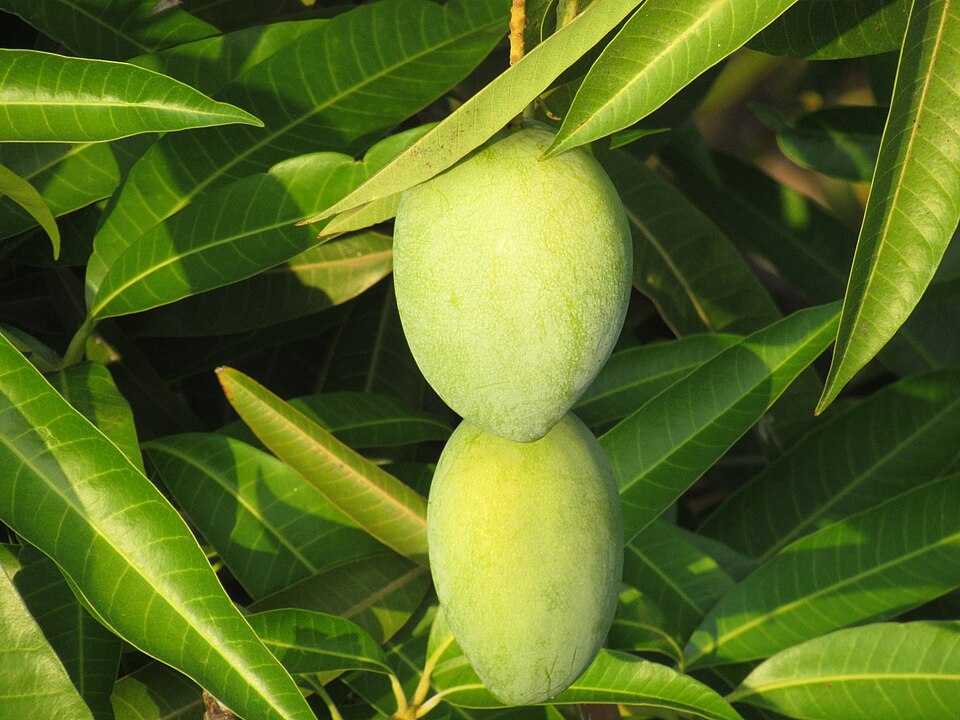
Mango trees are large, long-lived evergreens that can grow up to 100 feet tall and live for more than 300 years in the right conditions. The trees produce thousands of tiny flowers on large branching clusters, but only a small fraction of those flowers will actually develop into fruit. Mangoes need a tropical or subtropical climate with a distinct dry season to trigger flowering and fruit production. It takes about three to six months from flowering to harvest, depending on the variety and climate.
A Surprising Family Connection
Mangoes are closely related to poison ivy and poison sumac, all belonging to the plant family Anacardiaceae. The skin of a mango and the sap from the tree contain small amounts of urushiol, the same chemical in poison ivy that causes itchy rashes. Some people who are sensitive to poison ivy may develop a mild rash around their mouth or hands after handling mango skin. The flesh inside the mango is safe to eat, and peeling the fruit carefully or having someone else peel it can help avoid any skin irritation.
Mangoes in Culture and Cooking
In Hindu ceremonies, mango leaves are hung over doorways as a symbol of good fortune, and the fruit appears in ancient Indian art and literature. People enjoy mangoes fresh, dried, blended into smoothies and lassis, or cooked into chutneys and sauces. Green unripe mangoes have a sour flavor and are used in pickles and salads across South and Southeast Asia. Mango sticky rice, a popular Thai dessert, combines sweet ripe mango with coconut-flavored sticky rice for a treat that is loved around the world.
 OtterKnow Kids Encyclopedia