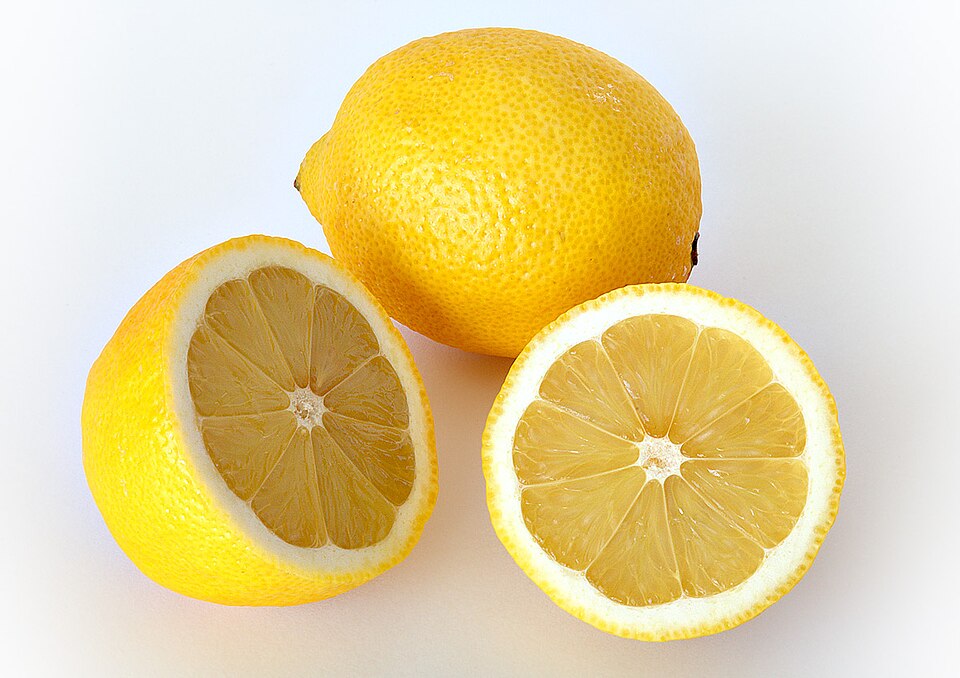
Where Lemons Come From
Lemons are thought to have first appeared in northeastern India or southern China, where their parent species grew wild. Arab traders brought lemons to the Middle East and North Africa around the year 700, and from there they spread to southern Europe during the Crusades. Spanish explorers carried lemon seeds to the Americas in the late 1400s, and the fruit thrived in the warm climates of Florida and California. Today, India, Mexico, and China are among the world’s largest lemon producers.
How Lemons Grow
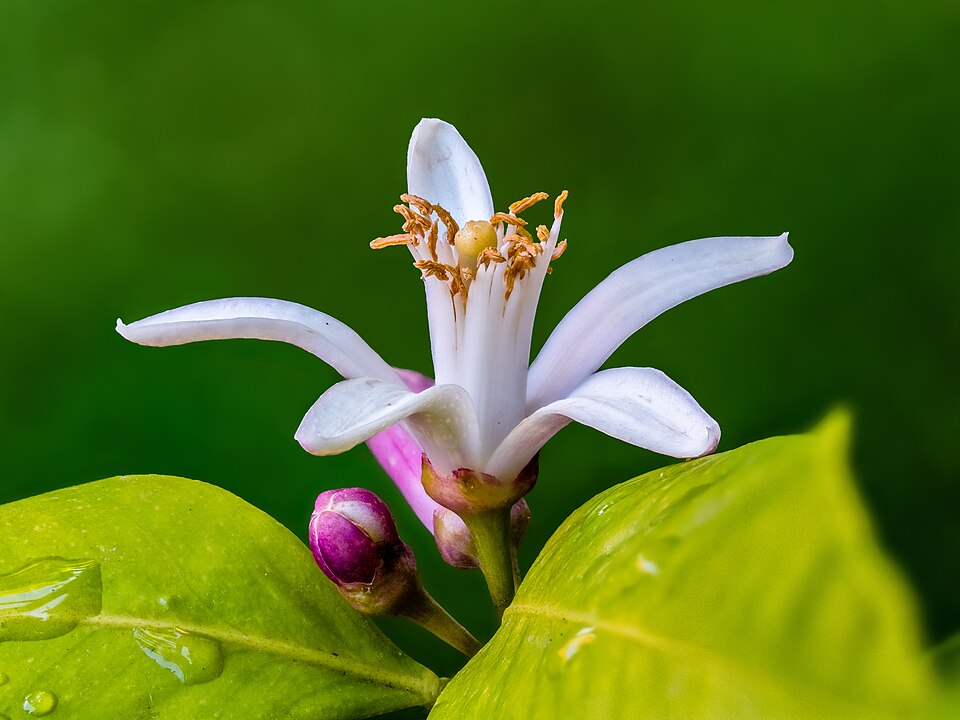
Lemon trees are evergreen, meaning they keep their glossy dark-green leaves all year round. One unusual thing about lemon trees is that they are ever-bearing, which means they can have flowers, unripe green fruit, and ripe yellow lemons on the same tree at the same time. A healthy lemon tree can produce anywhere from 200 to 600 lemons per year, depending on its size and growing conditions. Lemon trees love warm weather and cannot survive hard freezes, which is why they grow best in subtropical and Mediterranean climates.
Lemons That Changed History
In the 1700s, sailors on long ocean voyages often developed a terrible disease called scurvy that caused bleeding gums, weakness, and even death. In 1747, a Scottish doctor named James Lind discovered that feeding citrus fruits to sailors could prevent and cure scurvy. It took decades for the British Navy to officially require lemon or lime juice rations, but when they did, scurvy nearly disappeared from their ships. This discovery eventually helped scientists identify vitamin C as the essential nutrient that our bodies cannot make on their own.
Lemons in Our Lives
The zest of a lemon, which is the thin colored outer layer of the rind, actually contains more aromatic flavor oils than the juice itself. People use lemons in cooking, baking, and drinks, from lemonade and lemon meringue pie to savory dishes and salad dressings. Lemon juice is also a natural cleaning agent because the citric acid can cut through grease and kill some bacteria. Even the scent of lemon is useful, and it is one of the most common fragrances found in household cleaning products around the world.
 OtterKnow Kids Encyclopedia