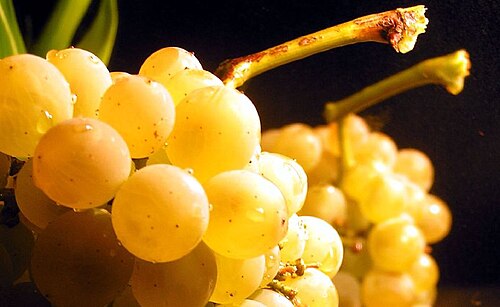
Where Grapes Come From
People have been growing grapes for about 8,000 years, making them one of the oldest cultivated fruits in human history. The earliest grape farms appeared in the region around modern-day Georgia and Iran in western Asia. Ancient Egyptians, Greeks, and Romans all grew grapes and considered them an important part of their culture and diet. Today, grapes are grown on every continent except Antarctica, with Italy, China, and the United States ranking among the top producers.
How Grapes Grow
Grapevines are climbing plants that use curling tendrils to grab onto fences, trellises, or other supports as they grow. In spring, the vines produce tiny green flower clusters that develop into the grape bunches we harvest in late summer or fall. Grapevines need plenty of sunshine and well-drained soil, and they actually produce better fruit when they have to work a little harder for water. A well-maintained grapevine can live and produce fruit for 100 years or more, though most commercial vineyards replant after about 25 to 30 years.
A Vine’s Biggest Challenge
In the 1860s, a tiny insect called phylloxera was accidentally brought from North America to Europe and began attacking the roots of European grapevines. The pest nearly destroyed the entire European grape industry before scientists discovered that American grapevine roots were naturally resistant to the insect. The solution was to graft European grape varieties onto American rootstock, a technique that saved the vines and is still used today. This crisis changed grape farming forever and showed how important biodiversity is for protecting our food supply.
Grapes in Our Lives
Raisins are simply grapes that have been dried in the sun or in special dehydrators, concentrating their sweetness and nutrients. Grape leaves are also edible and are used in Mediterranean and Middle Eastern cooking, often stuffed with rice and herbs. Seedless grapes, which are the most popular type at grocery stores, were developed through careful breeding so that the seeds never fully form. Whether you eat them fresh, frozen as a snack, or dried as raisins, grapes are a versatile fruit enjoyed in cultures around the world.
 OtterKnow Kids Encyclopedia