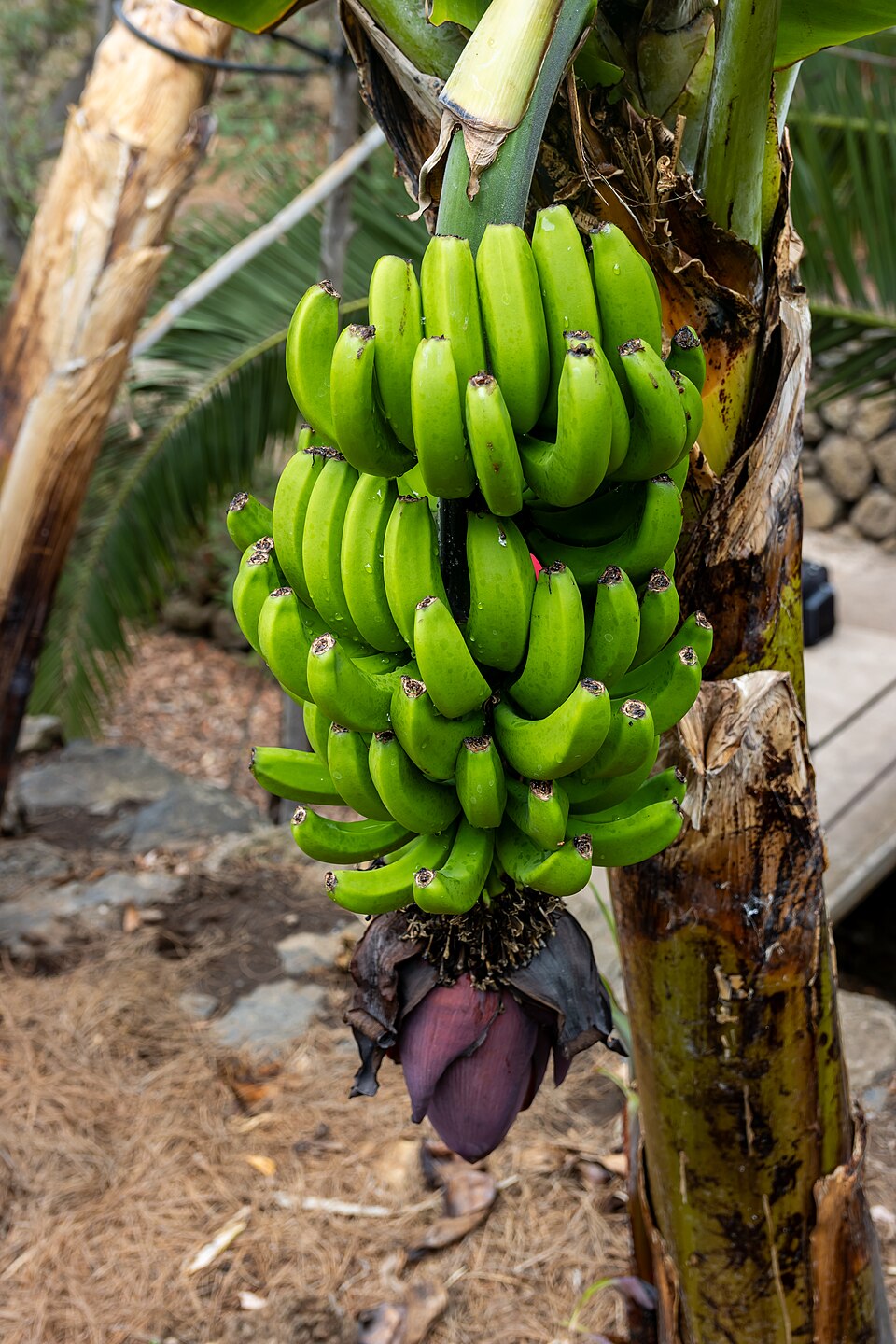
Where Bananas Come From
Bananas were first domesticated thousands of years ago in Southeast Asia, in the region that is now Papua New Guinea and Malaysia. Arab traders brought bananas to Africa, and Portuguese sailors later carried them to the Americas in the 1500s. Today, India is the world’s largest banana producer, followed by China and Indonesia. Most of the bananas sold in American grocery stores come from countries in Central and South America, such as Ecuador, Costa Rica, and Guatemala.
How Bananas Grow
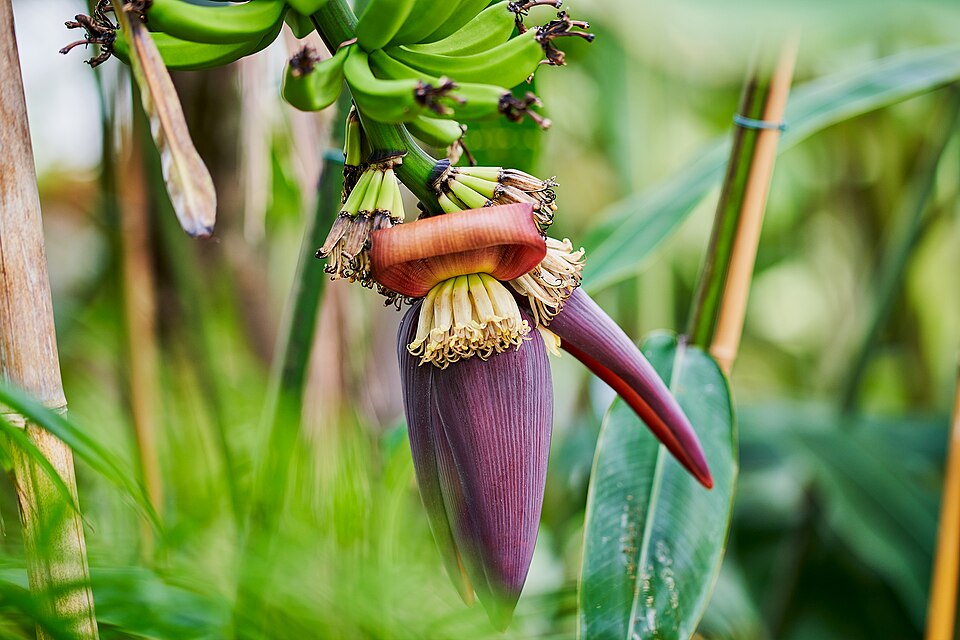
Banana plants grow from underground stems called rhizomes, and a new shoot can produce fruit in about nine to twelve months. Amazingly, bananas grow pointing upward toward the sun rather than hanging down, a trait scientists call negative geotropism. The Cavendish variety that you find in most stores is seedless, which means the plants must be grown from cuttings rather than from seeds. As bananas ripen, they release a gas called ethylene that speeds up the ripening of other fruits nearby.
A Banana Mystery
In the 1950s, the world’s most popular banana variety was the Gros Michel, which many people said tasted even better than today’s bananas. A deadly soil fungus called Panama disease swept through plantations and nearly wiped out the Gros Michel entirely. Growers switched to the Cavendish variety because it was resistant to that particular strain of fungus. Scientists are now worried because a new strain called Tropical Race 4 is threatening Cavendish bananas, and researchers are racing to find solutions.
Bananas and Your Health
Bananas are famous for being rich in potassium, a mineral that helps your muscles work properly and keeps your heart beating steadily. A single medium banana contains about 422 milligrams of potassium along with vitamin B6 and dietary fiber. Athletes often eat bananas before or after exercise because they provide quick energy from natural sugars. The fruit is also gentle on the stomach, which is why doctors sometimes recommend bananas when someone has an upset tummy.
 OtterKnow Kids Encyclopedia