Where Apples Come From
Scientists have traced the apple’s origins back to the mountains of Kazakhstan in Central Asia, where a wild ancestor called Malus sieversii still grows today. Travelers along the ancient Silk Road carried apple seeds across Europe and eventually to the Americas. Today, Washington State produces more apples than any other state in the United States, growing about half the country’s entire supply. China is the world’s largest apple producer overall, harvesting more than all of Europe combined.
How Apples Grow
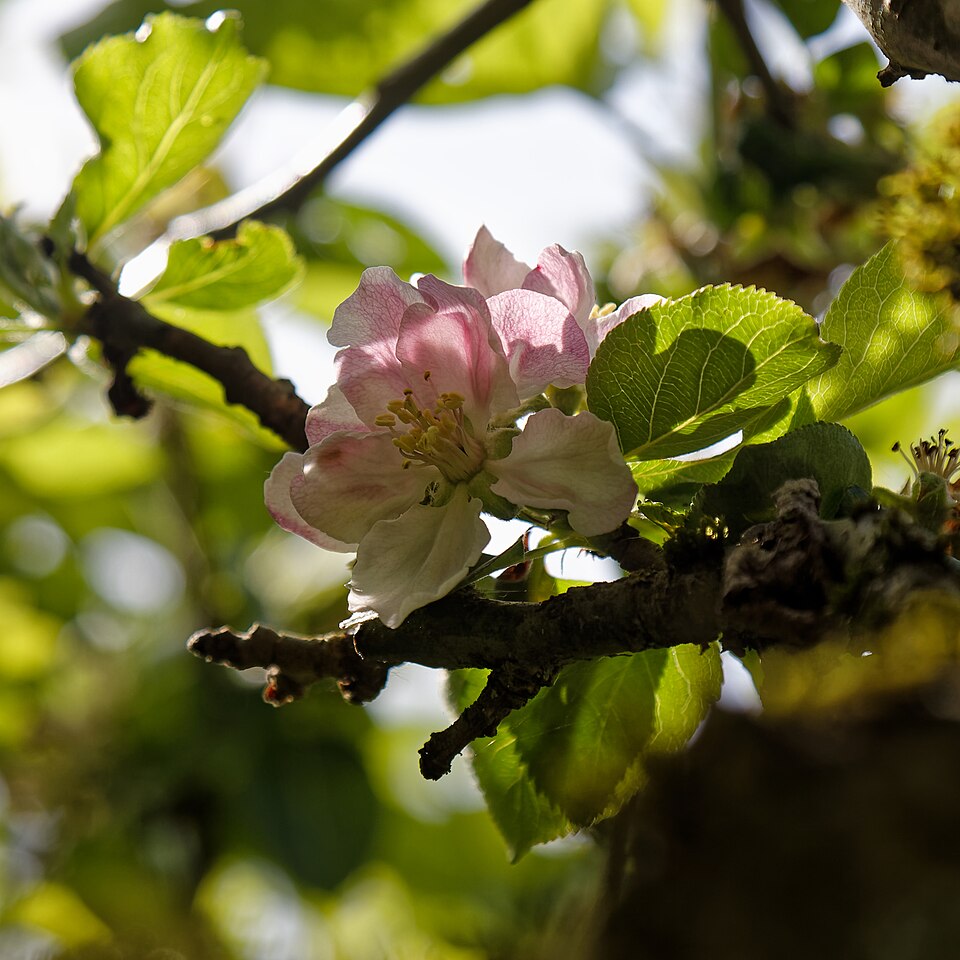
Apple trees need a period of cold winter weather before they can bloom in the spring, which is why they grow best in temperate climates. In spring, the trees burst into clusters of white and pink blossoms that attract bees and other pollinators. After pollination, the flower’s base swells over several months to become the fruit we pick in late summer or autumn. Most apple trees take four to eight years after planting before they produce their first full crop of fruit.
Fun Facts About Apples
Apples float in water because they are about 25 percent air, which makes bobbing for apples at fall festivals possible. The old saying “an apple a day keeps the doctor away” has been around since the 1860s and comes from a Welsh proverb. According to legend, Sir Isaac Newton began thinking about gravity after watching an apple fall from a tree, though historians debate exactly how that moment happened. Apple seeds contain tiny amounts of a compound that can release cyanide, but you would have to eat an enormous number of seeds for it to be harmful.
Apples in Our Lives
People enjoy apples in countless ways, from eating them fresh to baking them in pies, pressing them into cider, and drying them into chips. Apples are a good source of fiber and vitamin C, which help keep your digestive system healthy and support your immune system. In the United States alone, people eat an average of about 25 pounds of fresh apples per person every year. Apple orchards also play an important role in local economies, with many farms offering pick-your-own experiences each autumn.
 OtterKnow Kids Encyclopedia