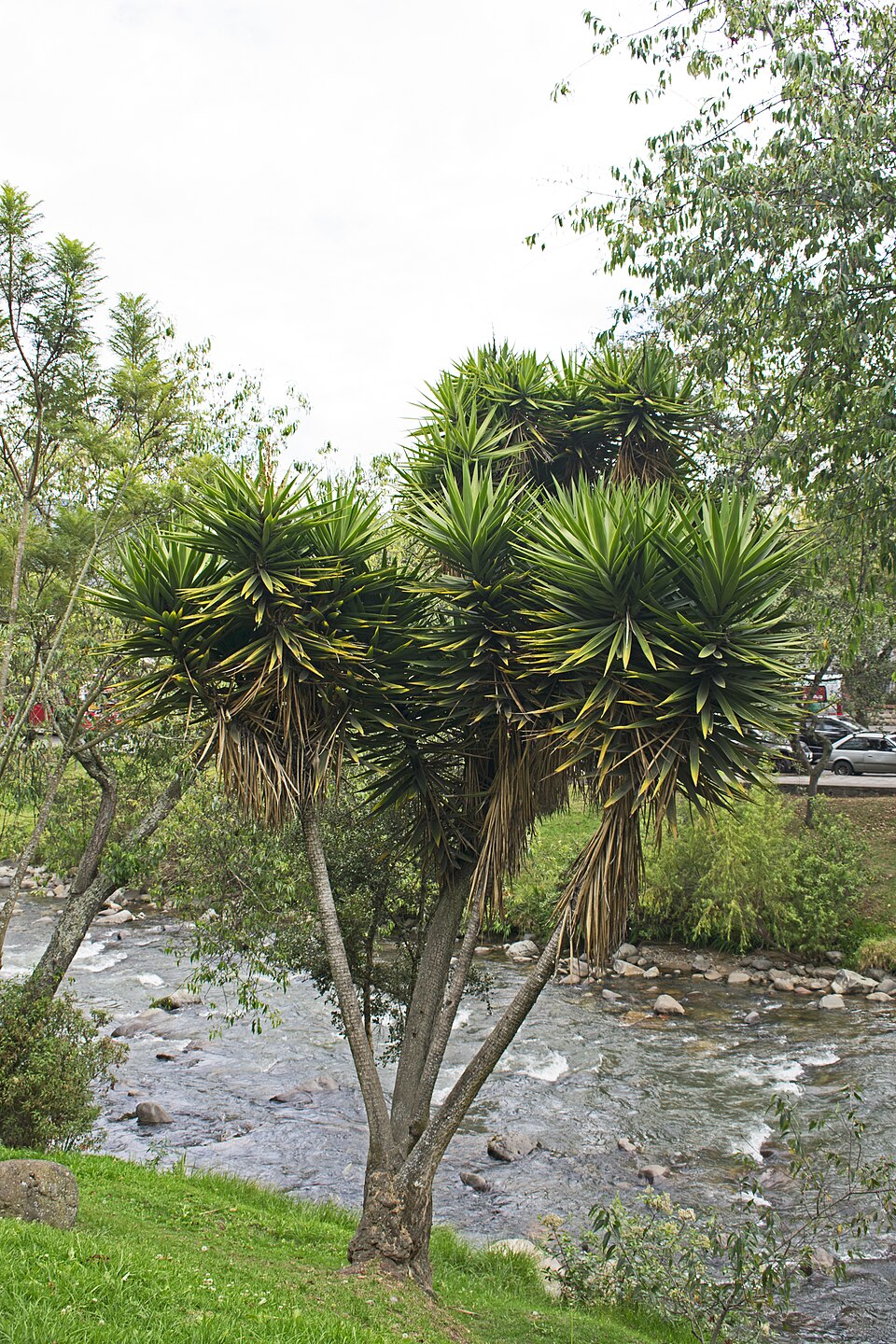
The Yucca and Its Moth
Every yucca species depends on a specific type of yucca moth for pollination, and in return, the moth depends on the yucca for survival. This partnership is one of the best-known examples of mutualism in the natural world. The female yucca moth gathers pollen from one yucca flower and deliberately stuffs it into the flower of another plant, ensuring that seeds will develop. She then lays her eggs inside the flower so her caterpillars can eat some of the developing seeds as food. The yucca sacrifices a few seeds to feed the moth larvae, while the moth ensures the plant’s reproduction, and neither species can survive without the other.
How Native Americans Used Yuccas
For thousands of years, Native American peoples found dozens of uses for yucca plants, making them one of the most important wild plants in the desert Southwest. The tough, fibrous leaves were stripped into long threads and woven into sandals, baskets, rope, and even paintbrushes. Yucca roots contain natural soap-like compounds called saponins, and people crushed and soaked the roots in water to create a sudsy liquid used for washing hair, clothing, and ceremonial items. The flowers and young fruit of many yucca species are edible and were roasted or boiled as a nutritious food. Some Pueblo peoples still use yucca root shampoo in traditional ceremonies today.
Surviving Harsh Conditions
Yuccas are built to endure some of the toughest conditions any plant can face. Their thick, waxy leaves resist water loss, while their deep root systems tap into moisture far below the sun-baked surface. Many yucca species can survive wildfires by regrowing from their roots or underground stems even after the above-ground parts have been burned away. Some yuccas grow at elevations above 8,000 feet, where they must withstand freezing winter temperatures as well as blazing summer heat. The sharp-tipped leaves discourage deer and other browsers from eating the plant, keeping its water and energy stores safe.
Yuccas in Gardens and Landscapes
Yuccas have become popular landscape plants in gardens around the world because they are drought-tolerant, low-maintenance, and eye-catching. Gardeners in dry climates appreciate that yuccas need almost no watering once established and can thrive in poor, rocky soil where other plants would struggle. The Adam’s needle yucca is one of the hardiest species and can survive winters as far north as New England and the Great Lakes region. When a yucca sends up its tall flower stalk covered in dozens of creamy blossoms, it creates a display that can last for several weeks. Whether growing wild in the desert or standing proudly in a suburban garden, yuccas bring a piece of the rugged Southwest wherever they grow.
 OtterKnow Kids Encyclopedia