The Healing Gel Inside
If you snap open an aloe vera leaf, you will find a thick, clear gel that feels cool and slippery to the touch. This gel is about 95 percent water, but the remaining 5 percent contains vitamins, minerals, and special compounds that can help skin heal. For centuries, people have spread aloe gel on burns, sunburns, and minor cuts to soothe pain and reduce redness. Scientists have discovered that the gel contains substances called polysaccharides that help skin cells repair themselves faster. Ancient Egyptian medical texts written on papyrus scrolls described aloe vera treatments thousands of years ago, making it one of the oldest known medicinal plants.
How Aloe Vera Survives Dry Conditions
Like other succulents, aloe vera is built to survive in places where rain is scarce. Its thick leaves act as water reservoirs, swelling up when moisture is available and slowly shrinking during dry periods. A waxy coating on the outside of each leaf prevents water from evaporating into the hot desert air. Aloe vera also uses a special form of photosynthesis called CAM, which allows it to open its tiny breathing pores at night instead of during the heat of the day. These adaptations mean that aloe vera can thrive in rocky, sandy soil where most other plants would wilt and die.
Growing Aloe Vera
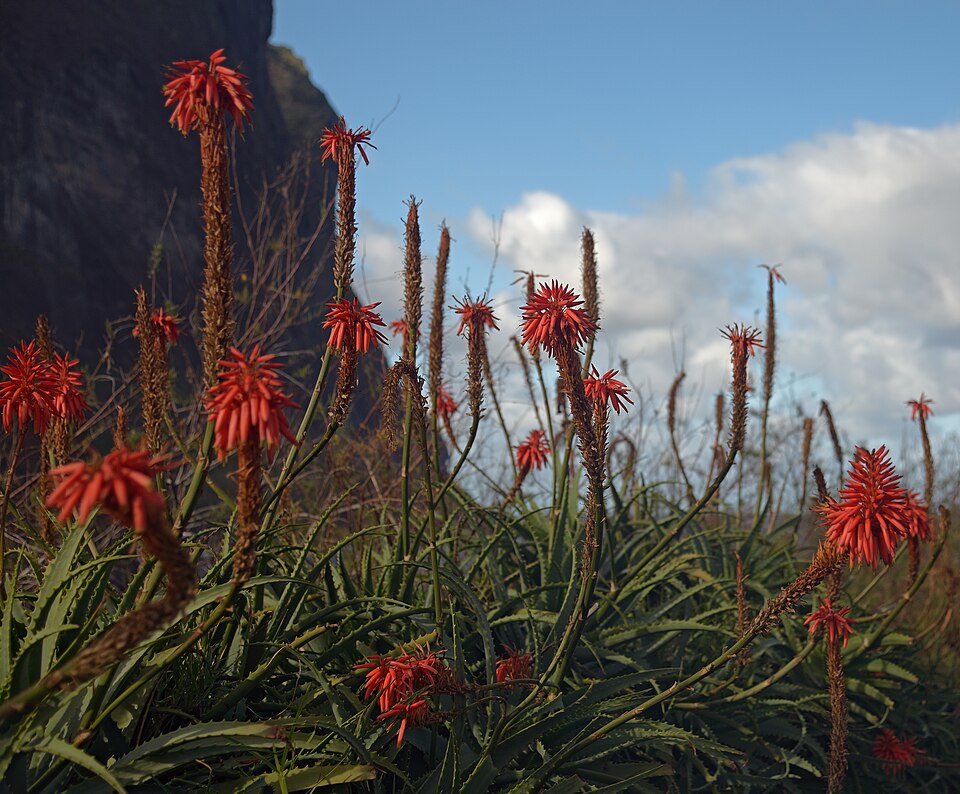
Aloe vera is one of the easiest plants to grow at home, which is why you can find it on kitchen windowsills around the world. It needs bright light but can handle some shade, and it prefers to dry out between waterings since too much moisture can rot its roots. The plant reproduces by sending out small shoots called offsets or “pups” from its base, which can be separated and planted on their own. Aloe vera rarely flowers indoors, but when it does, it produces a tall spike covered in tubular yellow or orange blossoms. In warmer climates, aloe vera grows outdoors year-round and can spread to form large clumps.
Aloe Vera in Everyday Life
Today, aloe vera is a massive global industry, appearing in everything from skin lotions and shampoos to juice drinks and yogurt. Farmers in countries like Mexico, India, and the Dominican Republic grow vast fields of aloe vera to meet worldwide demand. The gel is harvested by hand, with workers slicing the outer leaves and scooping out the clear interior. Beyond skin care, researchers are studying whether aloe compounds might help with digestion, wound healing, and even dental health. Whether sitting on your windowsill or growing in a tropical field, aloe vera continues to be one of nature’s most useful plants.
 OtterKnow Kids Encyclopedia