What They Look Like
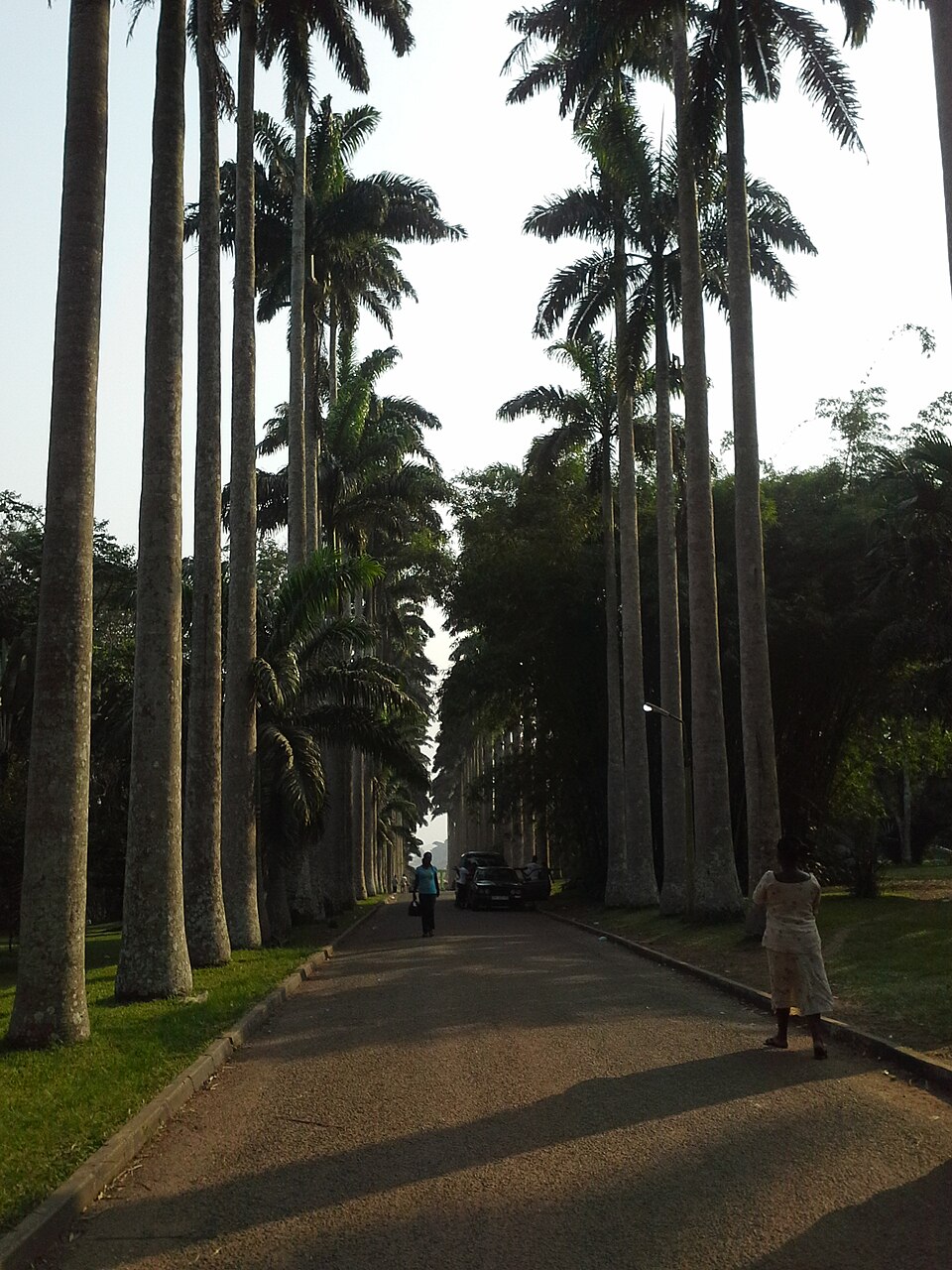
Most people picture a palm as a tall, slender trunk topped with a burst of large, fan-shaped or feather-shaped leaves called fronds. Palm fronds can be enormous, with some species producing leaves over 80 feet long, the longest of any plant on Earth. The trunk of a palm is made of a bundle of tough fibers rather than solid wood, which is why palms can bend dramatically in hurricane-force winds without snapping. Palms produce fruits that range from tiny berries to large coconuts, and many of these fruits are important foods for both people and wildlife. Some palms grow in clumps with multiple trunks, while others stand alone as single, towering columns.
Where They Grow
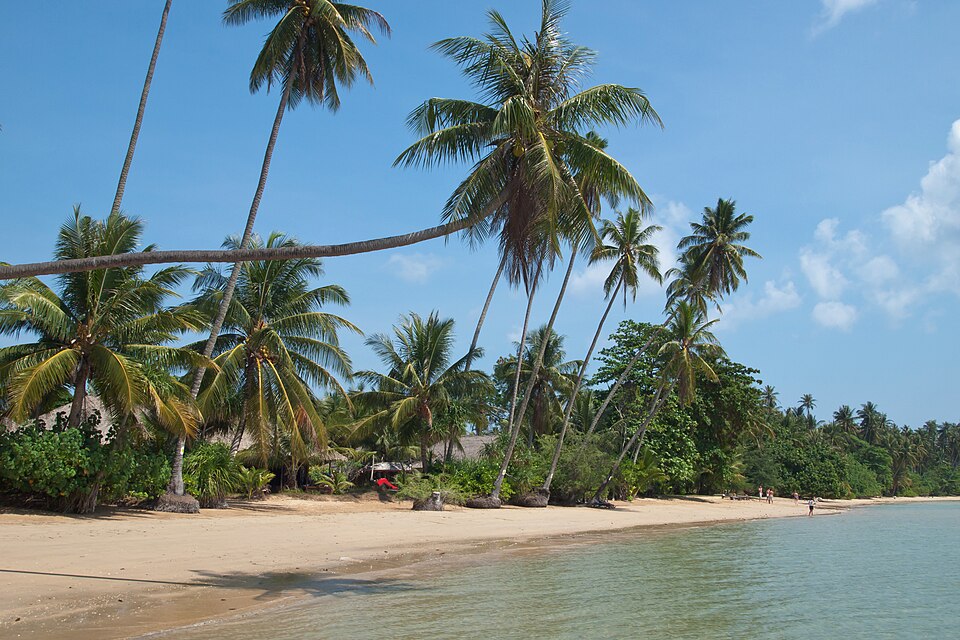
Palms grow naturally in tropical and subtropical regions around the world, from the rainforests of South America to the deserts of the Middle East. They are especially abundant in Southeast Asia, which has the greatest diversity of palm species on Earth. Date palms have been cultivated in the Middle East and North Africa for over 5,000 years and are still a vital food source in desert regions. The iconic palm-lined streets of Los Angeles are actually planted with non-native Washingtonia and Canary Island palms that were brought in for decoration. Some cold-hardy palms, like the windmill palm, can even survive freezing winters and grow as far north as British Columbia and southern England.
How People Use Them
Palms are among the most economically important plants on Earth, providing food, oil, fiber, and building materials to billions of people. Coconuts, dates, and acai berries all come from different species of palm trees. Palm oil, extracted from the fruit of the oil palm, is found in roughly half of all packaged products in a typical grocery store, from snack foods to shampoo. Palm fronds have been woven into thatched roofs, baskets, hats, and mats for thousands of years across tropical cultures. In many religions, palm branches are symbols of peace, victory, and celebration, and Palm Sunday is named after the palm leaves that were laid before Jesus in the Christian tradition.
Fun Facts
The coco de mer palm, found only in the Seychelles islands, produces the largest seed of any plant on Earth, weighing up to 40 pounds. Some palm species are among the fastest-growing plants in the world, adding several feet of height in a single year. The rattan palm, which grows as a climbing vine in tropical forests, can reach lengths of over 600 feet, making it one of the longest plants on the planet. Los Angeles planted most of its famous palm trees in the 1930s for the 1932 Olympics, and many of those trees are now reaching the end of their natural lifespan. In ancient Egypt, the date palm was considered a symbol of fertility, and dates were placed in tombs as food for the afterlife.
 OtterKnow Kids Encyclopedia