What They Look Like
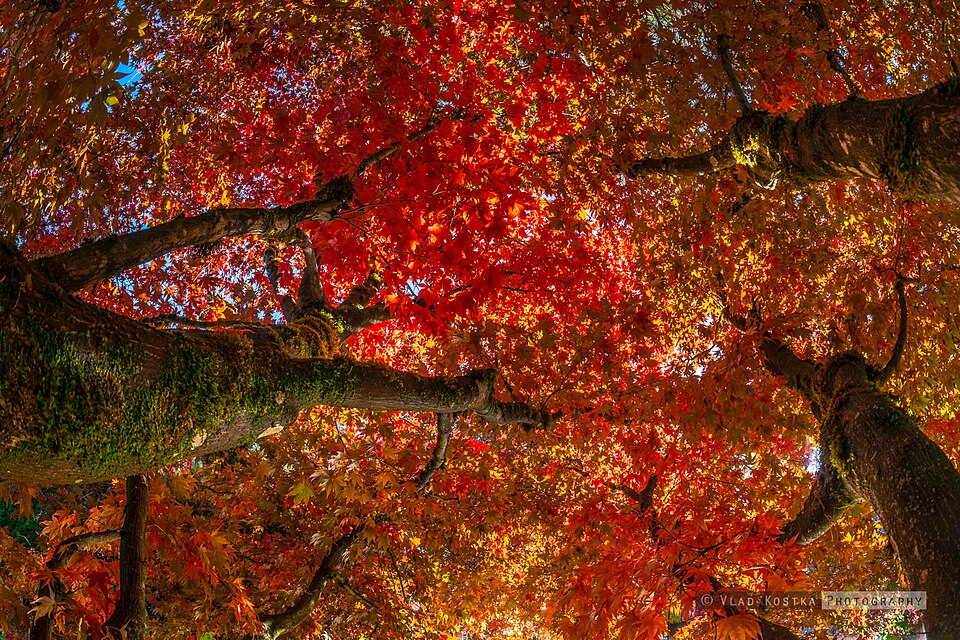
Maple leaves are easy to recognize because of their distinctive shape, with pointed lobes radiating out from a central stem like the fingers of an open hand. Most maple species have leaves with three to five lobes, though some have as many as thirteen. In autumn, maples turn vivid shades of red, orange, and gold thanks to pigments called anthocyanins that the leaves produce as they prepare to fall. Maple seeds are called samaras, and each one has a papery wing attached that makes it spin like a tiny helicopter as it drops from the tree. Children have been catching and throwing these “helicopter seeds” for as long as maples have lined neighborhood streets.
Where They Grow
Maples grow best in temperate climates with cool winters and warm summers, and they are found across much of the Northern Hemisphere. The greatest variety of maple species is found in eastern Asia, particularly in China, Japan, and Korea. In North America, sugar maples and red maples dominate the forests of the northeastern United States and southeastern Canada, where their fall foliage draws millions of leaf-peeping tourists each year. Japanese maples, which are smaller and more delicate, are prized as ornamental trees in gardens around the world. Some maple species also grow at high elevations in mountainous regions, where they can tolerate cold temperatures and thin soils.
Maple Syrup and Wood
The sugar maple is the tree behind one of North America’s most beloved foods: maple syrup. In late winter, when days are warm but nights still freeze, sap begins flowing through the tree, and farmers tap the trunks by drilling small holes and collecting the clear, slightly sweet liquid. It takes about 40 gallons of sap to make just one gallon of maple syrup, which is why real maple syrup is so much more expensive than the artificial kind. Maple wood is also extremely valuable because it is hard, strong, and has a beautiful grain. It is used to make bowling alleys, basketball courts, baseball bats, violins, and fine furniture.
Fun Facts
Maple seeds can travel more than 300 feet from their parent tree when caught by a strong wind, thanks to their spinning helicopter design. Engineers have actually studied maple samaras to design better small drones and helicopters because the seed’s shape is so aerodynamically efficient. The world’s largest producer of maple syrup is the Canadian province of Quebec, which makes about 70 percent of the global supply. Some Japanese maple varieties have been carefully bred for over 400 years and can cost thousands of dollars for a single tree. In Japan, autumn leaf viewing, called momijigari, is a tradition as popular as cherry blossom viewing in the spring.
 OtterKnow Kids Encyclopedia