What They Look Like
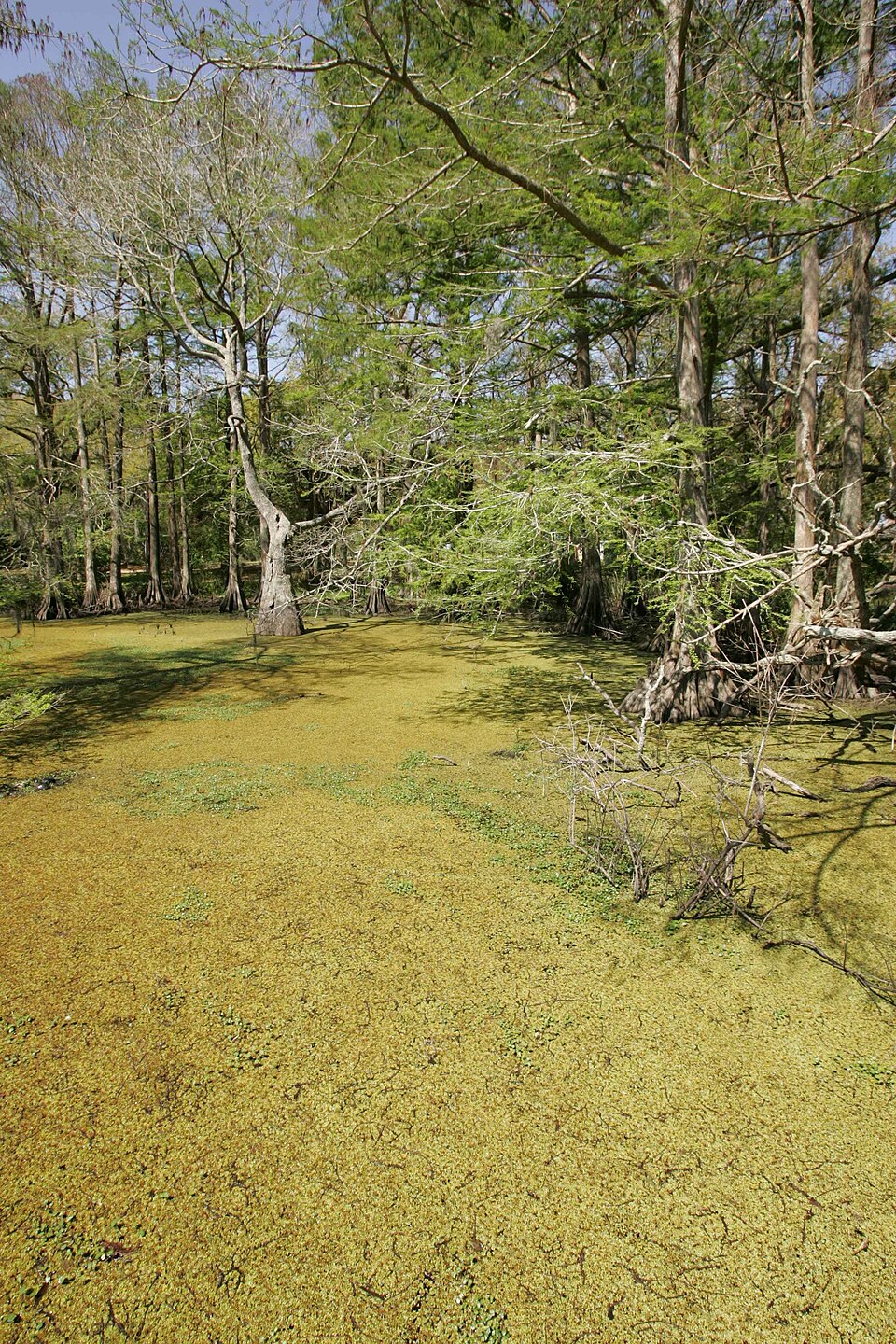
Many cypress species grow in a tall, narrow columnar shape that looks like a dark green pencil standing against the sky. The Italian cypress, often seen lining roads and hillsides in Tuscany, can grow over 80 feet tall but only 10 feet wide. Cypress leaves are tiny, scale-like, and pressed flat against the branches rather than growing as needles. The bald cypress of the southeastern United States looks quite different, with a wide, buttressed trunk and feathery needles that turn rusty orange and fall off each autumn, which is unusual for a conifer. Bald cypresses also grow mysterious woody bumps called “knees” that poke up from their roots in swampy water, and scientists still debate exactly why.
Where They Grow
Cypress trees are found on every continent except Antarctica, but different species prefer very different environments. Italian and Mediterranean cypresses thrive in hot, dry climates with rocky soil, while bald cypresses grow in the flooded swamps and riverbanks of the American South, standing in water for months at a time. Monterey cypresses cling to windswept cliffs along the California coast, sculpted into dramatic shapes by ocean gales. In the mountains of Iran, a cypress called the Sarv-e Abarqu is believed to be over 4,000 years old, making it one of the oldest trees in Asia. Cypress trees have been widely planted as windbreaks and hedges because their dense foliage blocks wind effectively.
Cypress Trees in Art and Culture
The tall, dark silhouette of the cypress has inspired artists and writers for thousands of years. Vincent van Gogh painted swirling cypress trees in some of his most famous works, including The Starry Night, where a towering cypress reaches up into the night sky. In ancient Greece and Rome, cypress branches were carried at funerals and planted beside graves because the trees were believed to connect the living world with the afterlife. The cypress is the national tree of Iran and appears in Persian poetry and garden design going back thousands of years. Even today, rows of Italian cypresses remain one of the most recognizable features of the Mediterranean landscape.
Fun Facts
Cypress wood is so naturally rot-resistant that ancient doors made of cypress in Rome’s St. Peter’s Basilica lasted over 1,000 years before being replaced. The bald cypress “knees” that stick out of swamp water can grow several feet tall, and one theory is that they help the tree get oxygen in waterlogged soil. A single Italian cypress can live for over 1,000 years and still produce cones and seeds. The Montezuma cypress in Oaxaca, Mexico, called El Arbol del Tule, has the thickest trunk of any tree in the world, measuring over 38 feet across. Cypress essential oil has been used in traditional medicine for thousands of years to treat coughs and improve circulation.
 OtterKnow Kids Encyclopedia