What They Look Like
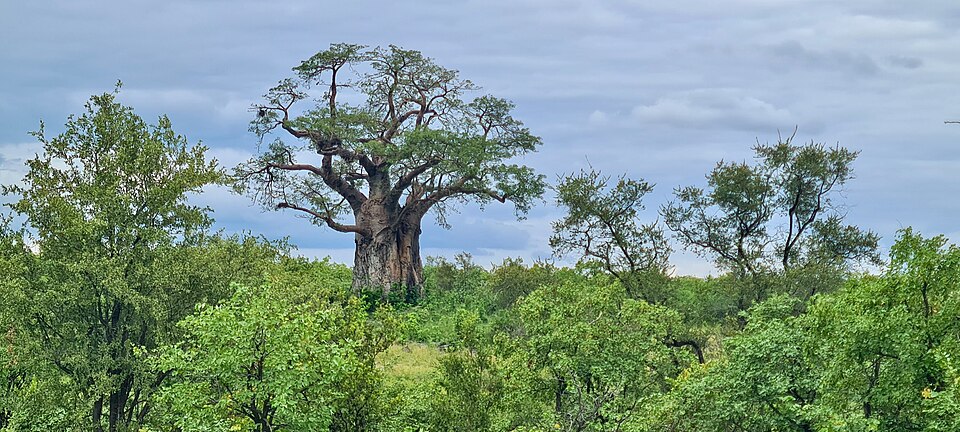
A baobab’s trunk is enormous and can grow over 30 feet wide, giving the tree a swollen, barrel-like appearance. The bark is smooth and grayish, almost like skin, and the trunk can store up to 32,000 gallons of water inside its spongy wood. This water storage helps the tree survive long dry seasons when rain does not fall for months. During the rainy season, baobabs produce large, waxy white flowers that bloom at night and are pollinated mainly by fruit bats. The leaves are small and shaped like fingers on a hand, and they fall off during the dry season to help the tree conserve water.
Where They Grow
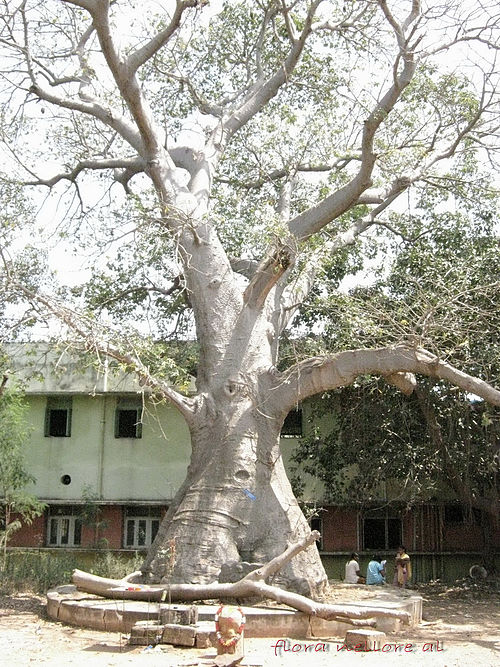
Baobabs thrive in the hot, dry savannas and semi-arid regions of Africa, Madagascar, and parts of Australia. They prefer sandy or rocky soils where many other trees cannot survive. In Madagascar, the famous Avenue of the Baobabs features towering trees that line a dirt road and attract visitors from around the world. On the African mainland, baobabs dot the landscape from Senegal in the west to Tanzania in the east. These trees have adapted to survive droughts, wildfires, and even being stripped of their bark, which regrows over time.
Why They Matter
Nearly every part of the baobab tree is useful to people and wildlife. The fruit, sometimes called “monkey bread,” is packed with vitamin C and other nutrients and is now sold around the world as a health food. Animals such as elephants, baboons, and birds rely on the tree for food, water, and nesting sites. The hollowed-out trunks of old baobabs have been used as houses, shops, storage rooms, and even a bus stop. Because baobabs can live between 1,000 and 3,000 years, a single tree can serve a community for many generations.
Fun Facts
Baobab flowers open only at night and release a strong smell that attracts fruit bats, which are the tree’s main pollinators. Some baobab trunks are so wide that people have turned them into bars, chapels, and even a prison. Scientists believe that baobabs survived the age of the dinosaurs, making them one of the oldest flowering tree lineages on Earth. When a baobab finally dies, it does not topple like other trees but instead collapses inward and seems to simply vanish, leaving behind a pile of fibers. The baobab fruit has six times more vitamin C than an orange, which is why it has become a popular health food ingredient.
 OtterKnow Kids Encyclopedia