The Navy and the Airship Era
In the early 1930s, the U.S. Navy was looking for a West Coast base for its lighter-than-air program. Rear Admiral William A. Moffett led a committee that considered 97 possible locations before choosing a site near Sunnyvale. Citizens of Santa Clara County raised nearly $480,000 to purchase 1,000 acres of farmland and sold it to the federal government for just one dollar. The base was originally commissioned as Naval Air Station Sunnyvale in 1933. It was later renamed Moffett Field in honor of Admiral Moffett, a pioneer of naval aviation who died when the airship USS Akron crashed in the Atlantic Ocean on April 4, 1933.
The USS Macon
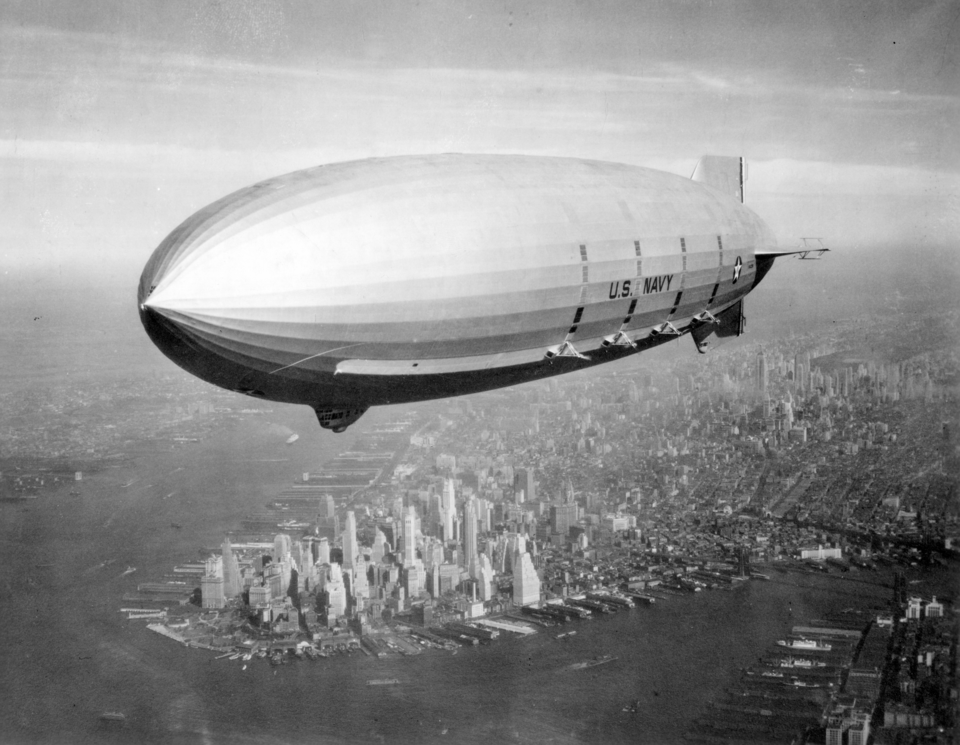
The USS Macon (ZRS-5) was one of the largest flying objects ever built. At 785 feet long, it was a rigid airship filled with helium that served as a “flying aircraft carrier,” capable of launching and recovering small Curtiss F9C Sparrowhawk biplanes while in flight. The Macon arrived at Moffett Field in 1933 and was assigned to provide long-range scouting for the Pacific Fleet. However, it flew only eight missions before disaster struck. On February 12, 1935, the airship encountered a storm off Point Sur near Monterey Bay. Its upper tail fin suffered structural failure, puncturing gas cells and causing a rapid loss of helium. The Macon crashed into the Pacific Ocean. Thanks to life jackets and inflatable rafts introduced after the earlier Akron disaster, 81 of the 83 crew members survived. The wreck now lies about 1,500 feet below the surface and is part of the Monterey Bay National Marine Sanctuary.
Hangar One
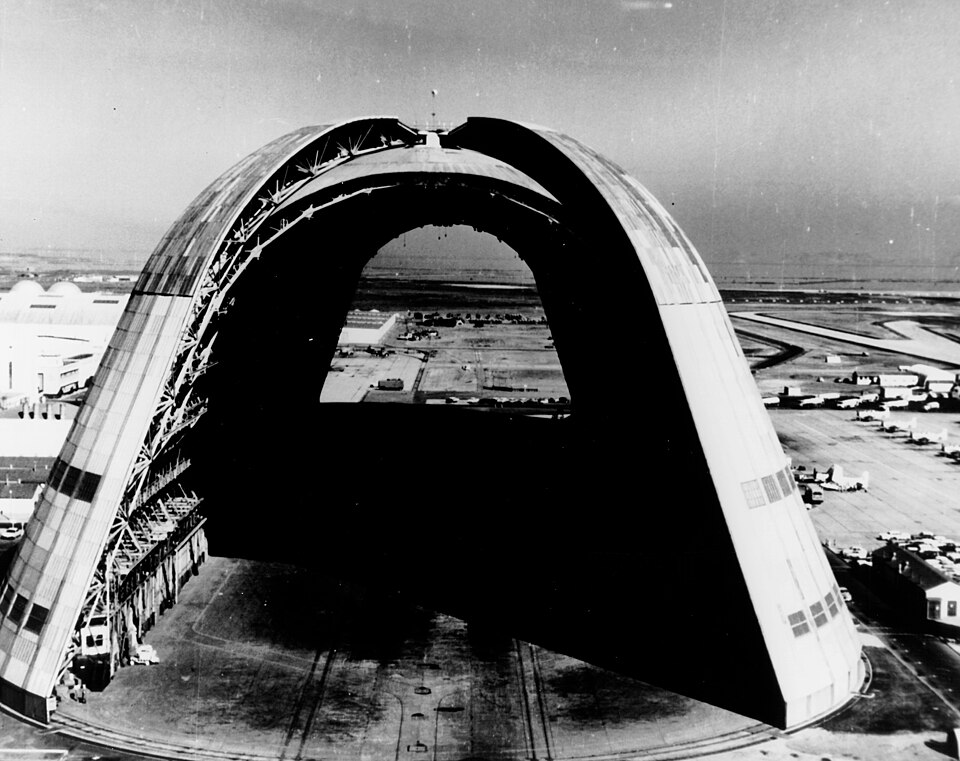
Hangar One is one of the most iconic structures in the San Francisco Bay Area. Built between 1931 and 1933 specifically to house the USS Macon, the hangar measures 1,133 feet long, 308 feet wide, and 198 feet tall. Its floor covers approximately eight acres, enough space to fit seven football fields. The structure is so large that people have reported fog drifting inside and tiny clouds forming near its ceiling. Hangar One, along with Hangars Two and Three and the adjacent Shenandoah Plaza, is listed on the National Register of Historic Places. Over the decades, the original metal cladding became contaminated with toxic materials and had to be removed, leaving the steel skeleton exposed. Google’s subsidiary, Planetary Ventures, is now restoring the hangar as part of its lease agreement.
NASA Ames Research Center
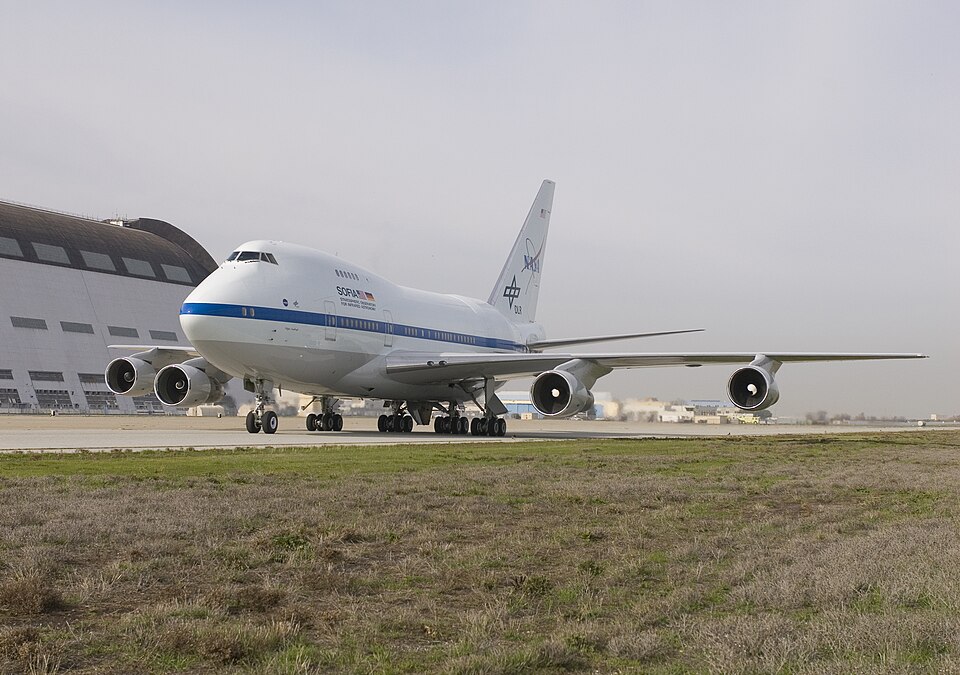
In 1939, Congress authorized the National Advisory Committee for Aeronautics (NACA) to build a new research laboratory next to the naval air station. This facility eventually became NASA Ames Research Center when NACA was incorporated into the newly created National Aeronautics and Space Administration in 1958. Ames has been a leader in aeronautics research, developing wind tunnels and studying how aircraft move through the air. Scientists at Ames have also contributed to space exploration, including studying the atmospheres of other planets, developing technology for Mars rovers, and conducting research in astrobiology. Since 1994, when the Navy closed its operations at Moffett Field, NASA has served as the custodian of the entire airfield property.
The Google Lease
On November 10, 2014, NASA announced that Planetary Ventures LLC, a subsidiary of Google, had signed a 60-year lease for approximately 1,000 acres of Moffett Field. The deal is worth $1.16 billion over the life of the lease and saves the federal government about $6.3 million per year in maintenance costs. In addition to the lease payments, Google committed to investing more than $200 million to restore and maintain the historic hangars. Under the agreement, Google operates the airfield while the U.S. government retains ownership of the land. The company uses the property for research and development, aviation projects, and offices, while preserving the site’s historic character.
Legacy and Importance
Moffett Field represents nearly a century of American innovation, from the daring age of giant airships to cutting-edge space research and modern technology. The field’s hangars are physical reminders of a time when enormous lighter-than-air craft floated over the Bay Area. NASA’s ongoing research there continues to push the boundaries of what we know about flight and space. And Google’s investment in restoring the historic buildings ensures that future generations will be able to see and appreciate these structures. Hangar One is visible from Highway 101, and nearby trails at Shoreline Park offer a close look at the airfield where airships, spacecraft research, and tech companies have all shared the same ground.
 OtterKnow Kids Encyclopedia