Beaches and Coastline
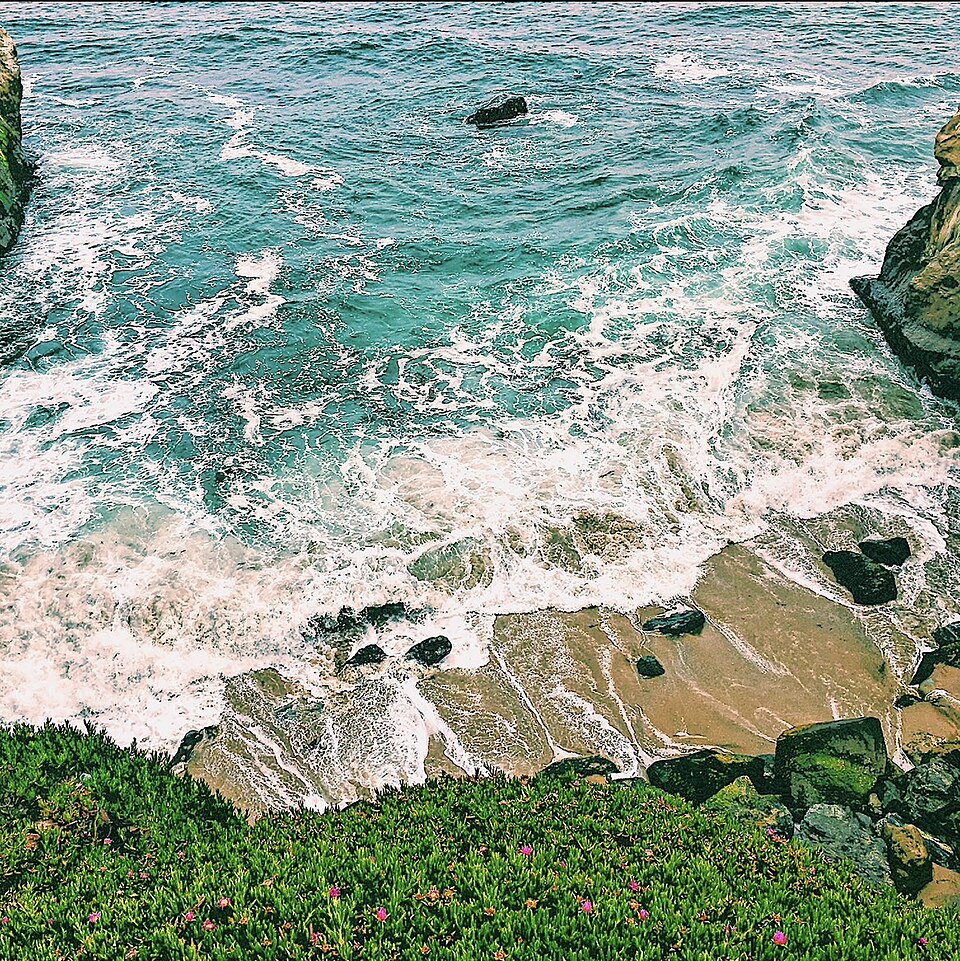
Half Moon Bay’s coastline stretches for miles along the Pacific Ocean, featuring sandy beaches, rocky tide pools, and towering bluffs. Half Moon Bay State Beach is actually made up of several connected beaches, including Venice Beach, Dunes Beach, and Francis Beach, together spanning about four miles of shoreline. The California Coastal Trail runs along the bluffs above the beaches, offering views of the ocean where visitors can sometimes spot migrating gray whales, harbor seals, and dolphins. The waters here are cold and rough, making them better for walking and exploring than swimming.
The Pumpkin Festival
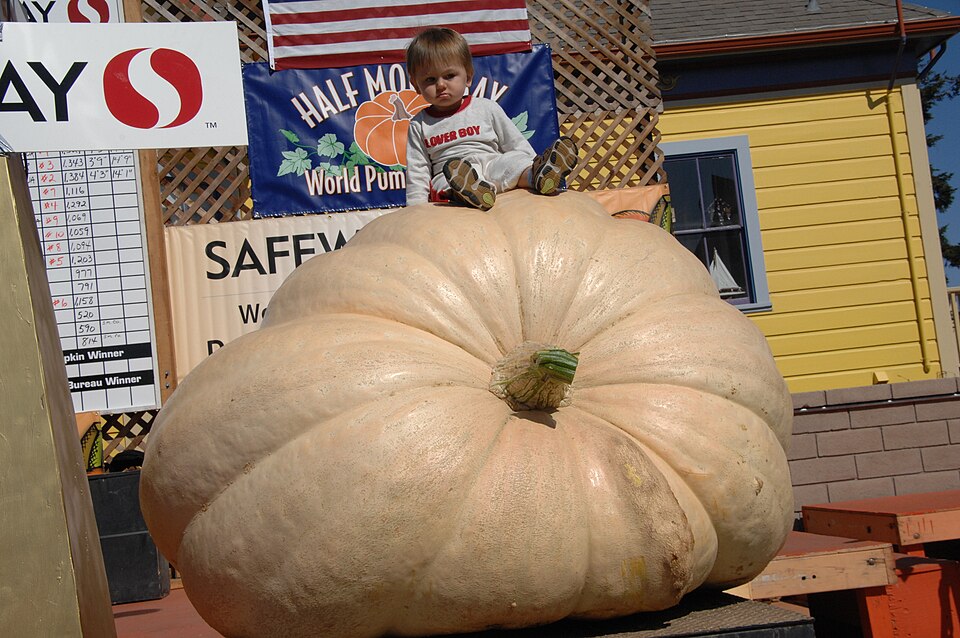
Every October, Half Moon Bay hosts the Half Moon Bay Art and Pumpkin Festival, one of the largest pumpkin festivals in the world. The highlight is the Safeway World Championship Pumpkin Weigh-Off, where growers compete to see who can produce the heaviest pumpkin. Winning pumpkins regularly weigh over 2,000 pounds, and the contest offers a prize of about seven dollars per pound to the winner. The festival draws an estimated 250,000 visitors over a single weekend and fills Main Street with food, music, art, and a parade. Half Moon Bay’s cool coastal climate and rich soil make it an excellent place for growing pumpkins, earning it the nickname “World Pumpkin Capital.”
Mavericks
Just north of Half Moon Bay at Pillar Point, a surfing spot called Mavericks produces some of the largest waves in the world. During winter storms, waves at Mavericks can reach heights of 40 to 60 feet, roughly as tall as a five-story building. The break was first surfed by Jeff Clark in 1975 when he was just 17 years old, and he surfed it alone for about 15 years before other surfers discovered it. Mavericks became world-famous in the 1990s and has since hosted invitation-only big-wave surfing competitions. Only about two dozen of the world’s best big-wave surfers are invited to compete when conditions are right. The area around Pillar Point is also popular for tidepooling and watching harbor seals.
Farming Heritage
Agriculture has been central to Half Moon Bay’s identity since the 1800s. The area’s mild coastal climate, frequent fog, and fertile soil create ideal growing conditions for a wide variety of crops. In the early days, the region was known for growing artichokes, Brussels sprouts, and cut flowers. Today, the “Coastside” area around Half Moon Bay still has working farms that grow pumpkins, strawberries, and other produce. Many farms welcome visitors for u-pick experiences, especially during pumpkin season in the fall. The annual Coastside Farmers’ Market operates year-round, showcasing locally grown fruits, vegetables, and flowers.
History
The Ohlone people inhabited the Half Moon Bay coastline for thousands of years before European contact. They fished, gathered shellfish, and hunted in the area’s rich coastal environment. Spanish explorers arrived in the late 1700s, and the area became part of large ranching estates called ranchos. In the mid-1800s, settlers from many backgrounds arrived, and the community was originally called “Spanishtown.” The town grew as a farming and fishing center, and the name was changed to Half Moon Bay in honor of the crescent-shaped bay. The construction of Highway 1 along the coast in the 1940s and 1950s made the town more accessible, gradually transforming it from a remote farming village into a popular coastal destination.
Fun Facts
- The heaviest pumpkin ever weighed at the Half Moon Bay contest tipped the scales at 2,749 pounds in 2023 — heavier than many small cars.
- Jeff Clark surfed the giant waves at Mavericks completely alone for about 15 years because no one else believed the waves were real.
- Half Moon Bay’s Main Street still looks much like a small-town downtown from the early 1900s, with historic buildings housing shops and restaurants.
- The Fitzgerald Marine Reserve near Half Moon Bay is one of the best tidepooling spots in California, with sea stars, anemones, crabs, and other creatures visible at low tide.
- Despite being only 30 miles from San Francisco, Half Moon Bay feels very remote because the only way to reach it is by winding mountain roads or the narrow coastal Highway 1.
 OtterKnow Kids Encyclopedia