History
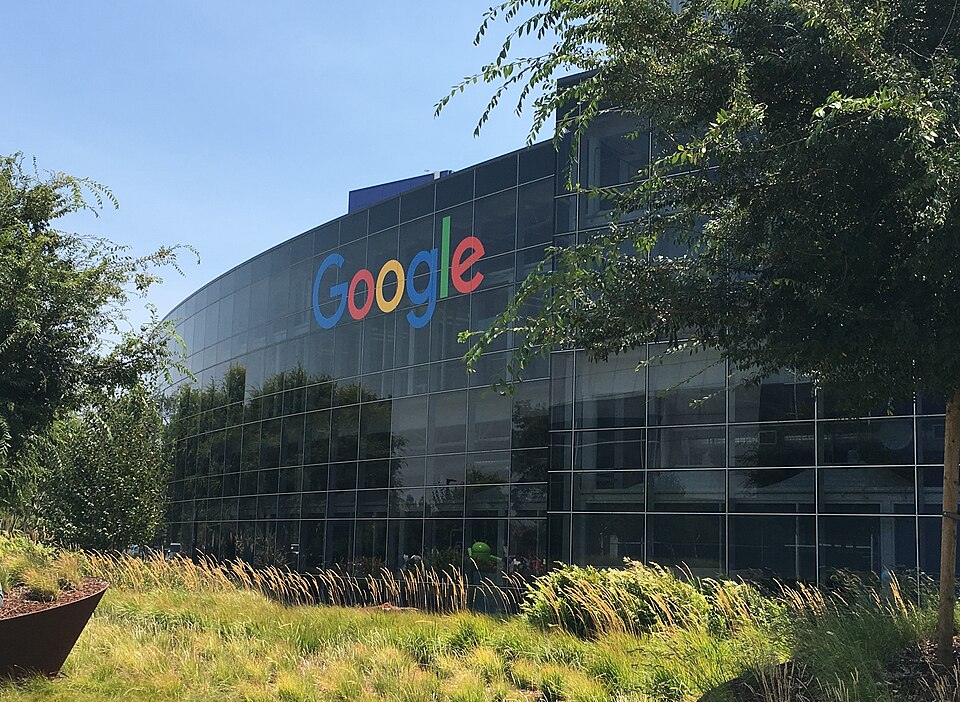
Google was founded in 1998 by Larry Page and Sergey Brin while they were graduate students at Stanford University. The company started in a rented garage in nearby Menlo Park before moving through several small offices. In 2004, Google moved into the Amphitheatre Parkway campus that would become the Googleplex. The site had previously been the headquarters of Silicon Graphics, another technology company. As Google grew rapidly, the campus expanded to include dozens of additional buildings in the surrounding area. In 2015, Google unveiled plans for a futuristic new building designed by architects Bjarke Ingels and Thomas Heatherwick, featuring a canopy-like roof structure.
The Campus
The Googleplex is designed to feel more like a small town than a traditional office park. Buildings are connected by pathways and open courtyards filled with outdoor seating, gardens, and recreational areas. Workers can get around the sprawling campus on colorful bicycles called GBikes, which are scattered throughout the grounds. The campus includes over 30 cafeterias and restaurants serving free meals to employees, as well as fitness centers, swimming pools, volleyball courts, and even nap pods for taking short rest breaks during the workday.
Famous Features
Several landmarks make the Googleplex instantly recognizable. A full-size replica skeleton of a Tyrannosaurus Rex named “Stan” stands in one of the main courtyards — employees have a tradition of decorating it with pink flamingos. The Android Lawn Statues garden displays giant sculptures representing every version of Google’s Android operating system, each named after a dessert like Cupcake, Donut, KitKat, and Oreo. A large Google logo sign near the main entrance is a popular spot for visitors to take photographs.
Green Initiatives
Google has made the Googleplex one of the most environmentally friendly corporate campuses in the world. The company installed one of the largest corporate solar panel systems in the United States, generating enough electricity to power about 1,000 homes. Instead of using gas-powered lawn mowers, Google has famously hired herds of goats to graze on the grass and keep it trimmed naturally. The company reached its goal of matching 100 percent of its global electricity use with renewable energy purchases in 2017 and has continued to invest in sustainability projects since then.
Visiting the Googleplex
While the interior offices are not open to the general public, visitors are welcome to walk around parts of the outdoor campus. Popular stops include the Android Lawn Statues garden, the Google logo sign, and the T-Rex skeleton. The campus sits right next to Shoreline Park, a 750-acre nature preserve with walking trails, a lake, and abundant wildlife, making it easy to combine a visit to both places.
Fun Facts
- The name “googolplex” refers to the number 10 raised to the power of a googol (which is 10 to the 100th power) — a number so large it has more zeros than there are atoms in the observable universe.
- Google’s tradition of using goats for lawn care began in 2009 when they brought in 200 goats from a local grazing company.
- The Googleplex campus uses about 50 percent less energy per square foot than a typical office building of its size.
- Employees have access to more than 30 cafeterias, each with a different cuisine, and all meals are free.
- The original T-Rex skeleton replica, Stan, is named after paleontologist Stan Sacrison, who discovered the fossil in South Dakota in 1987.
 OtterKnow Kids Encyclopedia