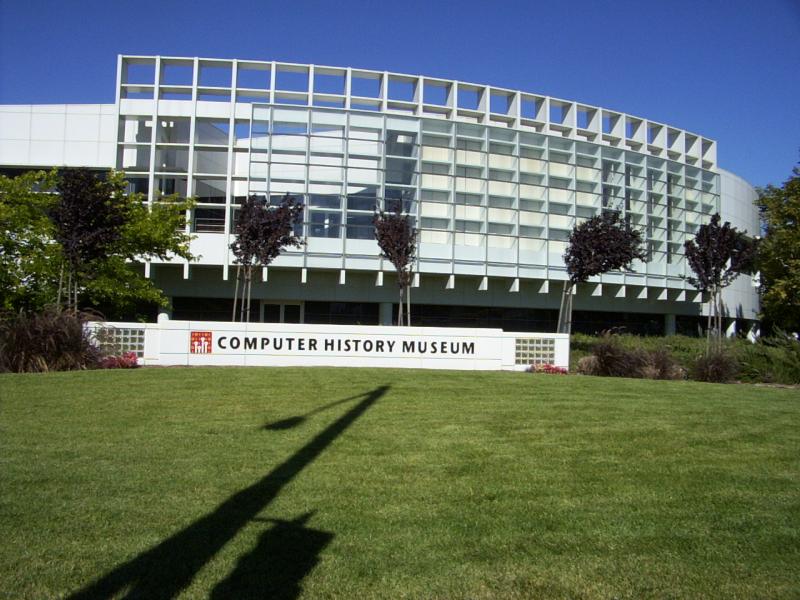
The Building
The museum occupies a striking 120,000-square-foot building on seven acres of land. The building was originally designed in 1993 by Studios Architecture as the headquarters for Silicon Graphics, Inc. (SGI), a company famous for creating the computer graphics technology behind movies like Jurassic Park and Toy Story. When SGI moved out, the museum took over the space in 2002. A major renovation costing 19 million dollars transformed the first floor into exhibition galleries, an orientation theater, a cafe, and a bookstore. The museum reopened with its signature exhibit on January 13, 2011.
Revolution: The First 2000 Years of Computing
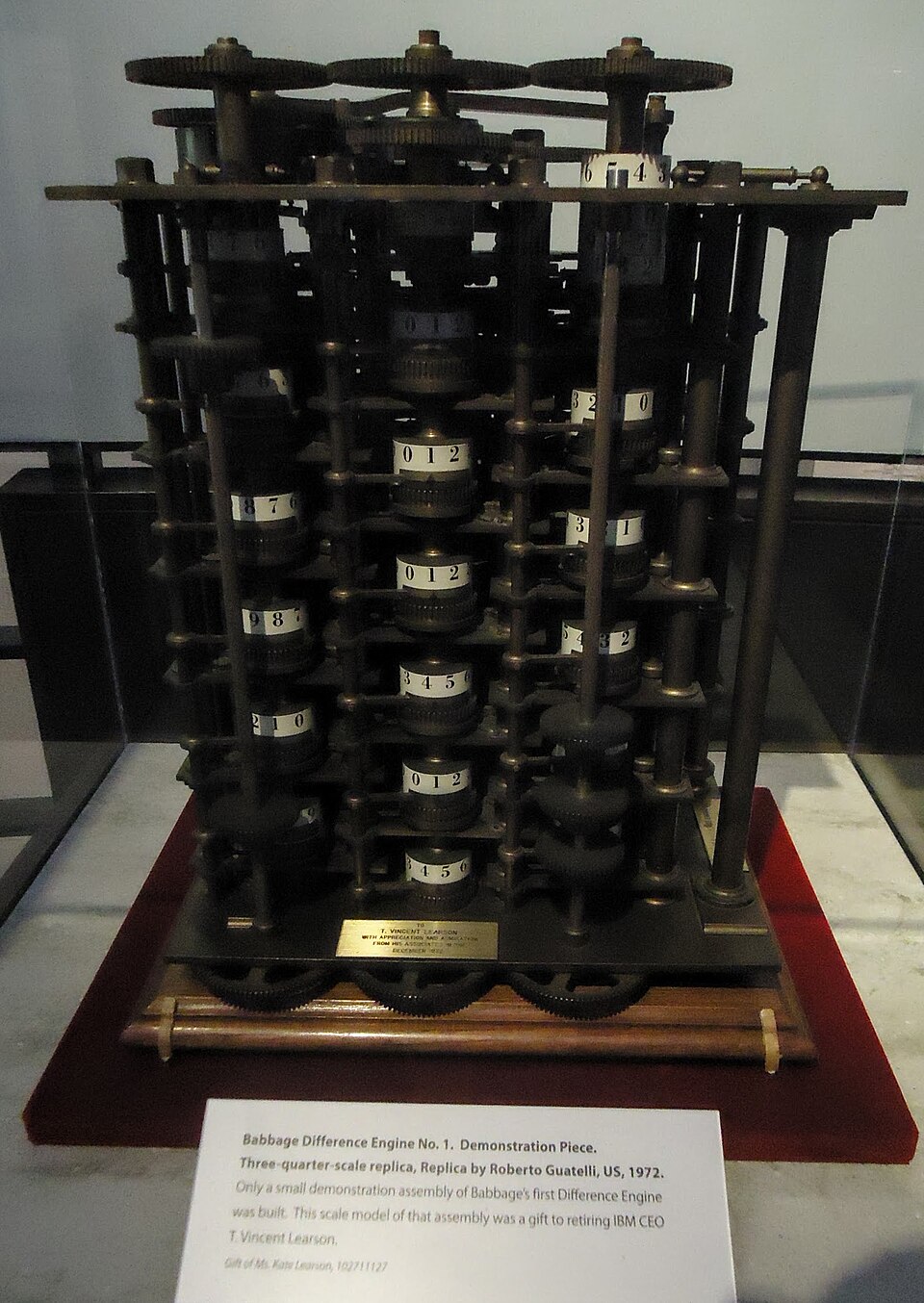
The museum’s main permanent exhibition, called “Revolution,” fills 25,000 square feet with 19 galleries and approximately 1,100 objects that trace the history of computing from ancient times to the present. Visitors can see everything from a replica of the Babbage Difference Engine, a mechanical calculator designed in the 1840s that has 8,000 moving parts and weighs five tons, to Google’s very first server rack from 1999, which was built using 80 consumer-grade motherboards mounted on handmade plywood platforms. The exhibit also features a working PDP-1 minicomputer from 1960, one of only a few still operational in the world, which runs Spacewar!, one of the earliest video games ever created.
Notable Exhibits and Artifacts
Beyond “Revolution,” the museum hosts several other exhibits. The IBM 1401 Demo Lab has two fully restored 1960s-era IBM 1401 computers that visitors can watch in action during live demonstrations, complete with whirring punched cards and spinning magnetic tape drives. The “Make Software: Change the World!” exhibit, which opened in 2017 and covers 6,000 square feet, explores seven groundbreaking software applications including Photoshop, MP3 music, and texting. The museum has also displayed exhibits on artificial intelligence and autonomous vehicles, including a Waymo Firefly self-driving car prototype that had no steering wheel or pedals.
History of the Museum
The museum had humble beginnings. In 1975, Gordon Bell, a pioneering computer engineer, and Ken Olsen, the founder of the Digital Equipment Corporation (DEC), started collecting historic computers in a converted coat closet at DEC’s headquarters in Maynard, Massachusetts. The collection grew into a public museum called The Computer Museum, which moved to Museum Wharf in Boston in 1984. In 1996, half of the collection was relocated to Moffett Federal Airfield in Mountain View, and the rest followed in 1999 when the Boston location closed. In 2000, the organization was officially renamed the Computer History Museum.
Location
The Computer History Museum sits on North Shoreline Boulevard in Mountain View, just a short distance from Shoreline Park and the Googleplex. It is easily accessible by Caltrain and is surrounded by the campuses of some of the world’s most famous technology companies. California K-12 school groups can visit for free on self-guided tours, and the museum offers educational programs including scavenger hunts, coding activities, and even computing-themed games in Minecraft and Roblox.
 OtterKnow Kids Encyclopedia