A Sacred River
The Ganges holds deep spiritual importance in Hinduism, one of the world’s oldest religions. Hindus consider the river to be the earthly form of the goddess Ganga, and they believe that bathing in its waters can wash away sins and bring spiritual blessings. Every year, millions of Hindu pilgrims travel to the banks of the Ganges to pray, bathe, and perform religious ceremonies. Major festivals like the Kumbh Mela bring tens of millions of people to the river’s banks in some of the largest peaceful gatherings in human history. The sacred connection between the Ganges and Hindu culture has existed for thousands of years and remains strong today.
The Ancient City of Varanasi
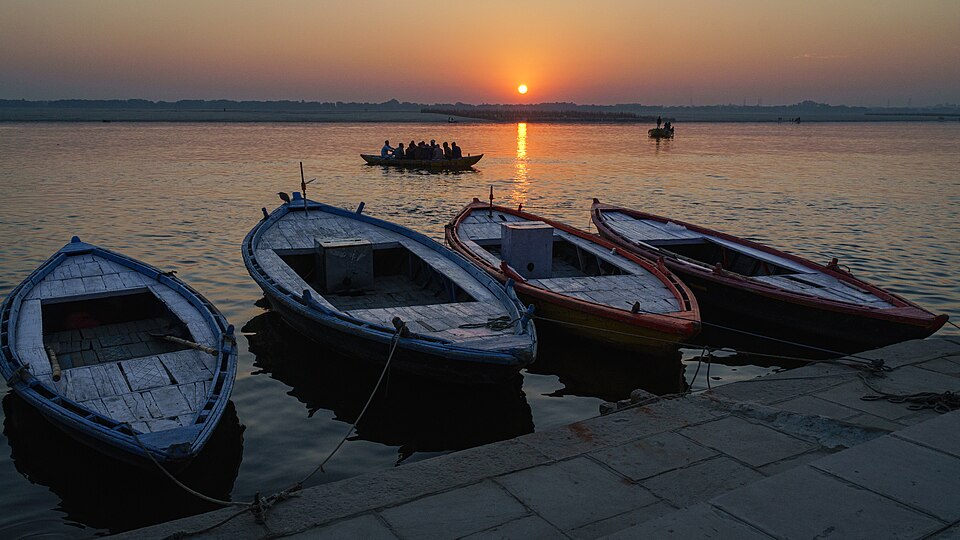
One of the most famous cities along the Ganges is Varanasi, also known as Benares or Kashi. Varanasi is considered one of the oldest continuously inhabited cities in the world, with a history stretching back possibly more than 3,000 years. The city sits on the western bank of the Ganges and is filled with temples, winding lanes, and stone staircases called ghats that lead down to the water. Every morning, thousands of people gather at the ghats to bathe in the river as the sun rises. Varanasi is a center of learning, music, and religious life, and it attracts visitors and pilgrims from all over the world.
The Ganges Delta and the Sundarbans
Where the Ganges meets the Bay of Bengal, it spreads out into the world’s largest river delta, shared by India and Bangladesh. This enormous delta is a maze of rivers, islands, and wetlands that covers an area larger than some small countries. Within the delta lies the Sundarbans, the world’s largest mangrove forest and a UNESCO World Heritage Site. The Sundarbans is home to the famous Royal Bengal tiger, which has adapted to this unique environment and is known to swim between the mangrove islands. The delta region is also one of the most vulnerable places on Earth to flooding and rising sea levels caused by climate change.
Wildlife of the Ganges
The Ganges and its surrounding areas are home to a variety of wildlife, including some species found nowhere else on Earth. The Ganges River dolphin, called the susu, is an endangered freshwater dolphin that lives in the Ganges-Brahmaputra river system. These dolphins are nearly blind and use echolocation — a system of clicking sounds — to navigate the murky river waters. The river is also home to the gharial, a critically endangered crocodile with a long, thin snout, as well as many species of fish, turtles, and birds. Protecting these animals has become more difficult as pollution and habitat loss increase along the river.
Pollution and Cleanup Efforts
Despite its importance, the Ganges is one of the most polluted rivers in the world. Untreated sewage from cities and towns, industrial waste from factories, and agricultural runoff all flow into the river. Religious offerings, including flowers, food, and other materials, also add to the pollution. The Indian government has launched several major cleanup programs over the years, including the Namami Gange project, but progress has been slow because of the enormous scale of the problem. Cleaning up the Ganges is one of India’s greatest environmental challenges, and it will require cooperation from governments, businesses, and communities along the entire river.
Glaciers and Climate Change
The Ganges begins high in the Himalayas at the Gangotri Glacier, where melting ice and snow feed the river’s flow. These Himalayan glaciers are sometimes called the “Third Pole” because they hold some of the largest stores of ice outside the Arctic and Antarctic. However, climate change is causing these glaciers to melt faster than they can be replaced by new snowfall. Scientists warn that if this trend continues, the long-term water supply of the Ganges could be seriously threatened. Millions of people who depend on the river for their survival could face water shortages in the coming decades.
Why the Ganges Matters
The Ganges is much more than just a river — it is the backbone of life for hundreds of millions of people across India and Bangladesh. It provides water for irrigating crops that feed a large portion of South Asia’s population. Its cultural and spiritual significance makes it one of the most revered natural features on the planet. The challenges facing the Ganges, from pollution to climate change, are some of the most important environmental issues of our time. Protecting this great river is essential not only for the people and wildlife that depend on it today, but for future generations as well.
 OtterKnow Kids Encyclopedia