The Amazon Basin
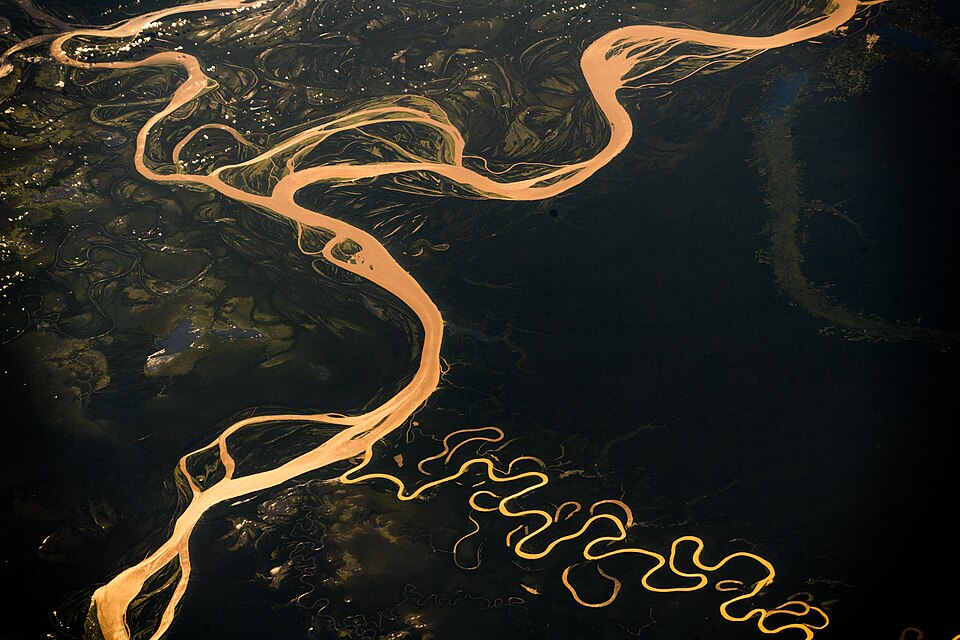
The Amazon basin is the enormous area of land that drains water into the river. It covers about 7 million square kilometers and stretches across nine countries, with most of the basin located in Brazil. This vast region contains the Amazon Rainforest, the largest tropical rainforest in the world. Hundreds of tributaries feed into the Amazon, creating a sprawling network of waterways. The basin receives heavy rainfall throughout the year, which keeps the river flowing strong even during drier months.
Seasonal Flooding
During the wet season, which runs from roughly December through May, the Amazon transforms dramatically. The river can swell to widths of up to 50 kilometers, flooding the surrounding forests to depths of 9 meters. These flooded forests are called várzea, and they create an unusual habitat where fish swim among the submerged trees. The fish feast on fallen fruits and seeds, helping to spread plants throughout the forest. When the waters recede during the dry season, they leave behind rich nutrients that make the soil fertile for new growth.
Amazing Wildlife
The Amazon River is home to more than 3,000 species of fish — more than the entire Atlantic Ocean contains. Among these are piranhas, electric eels, and the enormous arapaima, a fish that can grow to 3 meters long and must surface to breathe air. The river is also home to the boto, or pink river dolphin, one of the few species of freshwater dolphins in the world. Giant river otters, black caimans, and anacondas patrol the waters and riverbanks. This diversity makes the Amazon one of the most biologically rich places on the planet.
People of the Amazon
Indigenous peoples have lived along the Amazon River for at least 11,000 years. They developed deep knowledge of the river’s rhythms, learning to fish, farm, and travel by following the seasonal floods. Today, millions of people still depend on the river for transportation, food, and fresh water. Because the Amazon flows through remote, dense rainforest, there are no bridges crossing it along its entire length. Boats remain the primary way that people travel and transport goods in the region.
The River’s Role in the Environment
The Amazon River plays a critical role in the health of our planet. The surrounding rainforest produces enormous amounts of oxygen and absorbs carbon dioxide, helping to regulate the global climate. Water that evaporates from the river and forest creates “flying rivers” — masses of moisture that travel through the atmosphere and bring rain to distant regions of South America. The river’s nutrients also feed ocean ecosystems near its mouth, where freshwater mixes with saltwater. Protecting the Amazon and its watershed is considered one of the most important environmental challenges in the world.
Exploration and Discovery
European explorers first encountered the Amazon in the 1500s, but the river had been well known to Indigenous peoples for thousands of years. Spanish explorer Francisco de Orellana led the first European expedition down the full length of the river in 1542. He named it after the Amazons of Greek mythology, inspired by encounters with fierce warriors along the way. Scientists continue to discover new species in the Amazon basin every year. Even today, parts of the river and its surrounding forest remain among the least explored places on Earth.
Why the Amazon Matters
The Amazon River is far more than just a waterway — it is the lifeline of an entire continent. It provides drinking water, food, and transportation for millions of people living along its banks. Its forests and waters shelter an astonishing share of the world’s biodiversity. As climate change and deforestation threaten the region, scientists, governments, and communities are working together to protect it. Understanding the Amazon helps us appreciate how connected our world’s water, weather, and wildlife truly are.
 OtterKnow Kids Encyclopedia