Size and Depth
The Indian Ocean is enormous, but it is still smaller than both the Pacific and the Atlantic. Its average depth is about 3,741 meters, which is deep enough to stack more than ten Eiffel Towers on top of each other. The deepest spot is the Java Trench, located south of the island of Java in Indonesia, which plunges to about 7,258 meters below the surface. Underwater mountain ridges, such as the Mid-Indian Ridge, run across the ocean floor and divide it into separate basins.
Warm Waters
Surface temperatures in the Indian Ocean rarely drop below 22 degrees Celsius (about 72 degrees Fahrenheit), making it the warmest ocean in the world. These warm waters fuel powerful weather systems, including tropical cyclones that can affect countries around the ocean’s rim. The warmth also supports vast coral reef systems, including reefs along the coasts of East Africa, the Maldives, and western Australia. Warm ocean currents carry heat and moisture that influence rainfall patterns across Asia and Africa.
Monsoon Winds and Ancient Trade
One of the most remarkable features of the Indian Ocean is its monsoon wind system. During winter, the winds blow from the northeast, and during summer, they reverse and blow from the southwest. This predictable seasonal pattern allowed ancient sailors to travel back and forth across the ocean without modern engines. For thousands of years, traders carried spices, textiles, porcelain, and other goods between Africa, Arabia, India, and Southeast Asia along these routes.
Islands and Nations
The Indian Ocean is home to many island nations. The Maldives is a chain of low-lying coral islands known for its crystal-clear water and colorful reefs. The Seychelles, located northeast of Madagascar, is famous for its unique wildlife, including giant tortoises. Madagascar itself is the fourth-largest island in the world and contains plants and animals found nowhere else on Earth. Sri Lanka, Mauritius, and the Comoros are other notable island nations in this ocean.
Ocean Wildlife
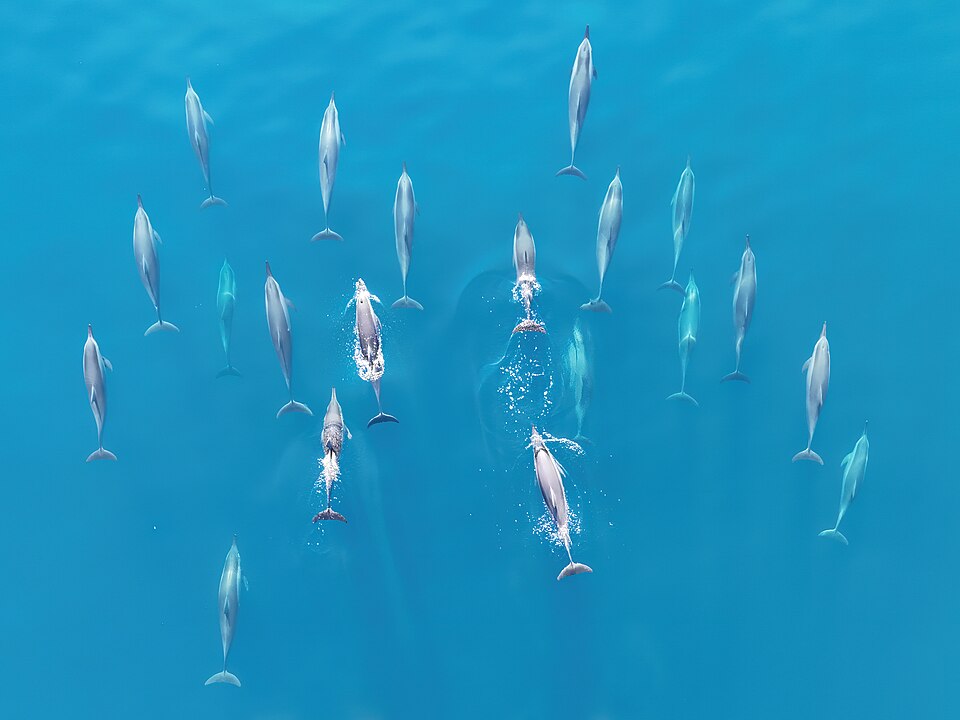
The Indian Ocean is full of marine life. Whale sharks, the largest fish in the world, glide through its warm waters alongside massive manta rays and graceful sea turtles. Blue whales, the biggest animals ever to live on Earth, migrate through the Indian Ocean to feed on tiny shrimp-like creatures called krill. Dugongs, gentle relatives of manatees, graze on underwater sea grass meadows in shallow coastal areas. Coral reefs along the ocean’s edges provide homes for thousands of species of colorful fish, crabs, and other sea creatures.
Environmental Challenges
Like all of Earth’s oceans, the Indian Ocean faces serious environmental threats. The Indian Ocean Gyre, a large system of rotating currents, collects floating plastic waste that harms marine animals. Warming ocean temperatures can cause coral bleaching, which damages the reefs that so many species depend on. Overfishing has reduced populations of important species like tuna and sharks. In 2004, a massive earthquake beneath the ocean floor triggered a devastating tsunami that struck 14 countries and reminded the world of the ocean’s incredible power.
Why the Indian Ocean Matters
The Indian Ocean connects some of the most populated regions on Earth. About two billion people live in the countries that border it, and busy shipping lanes carry oil, food, and manufactured goods between continents every day. The Suez Canal and the Strait of Malacca are two of the most important shipping chokepoints in the world, and both connect to the Indian Ocean. Understanding and protecting this ocean is essential for the economies, food supplies, and climates of nations around the globe.
 OtterKnow Kids Encyclopedia