Size and Depth
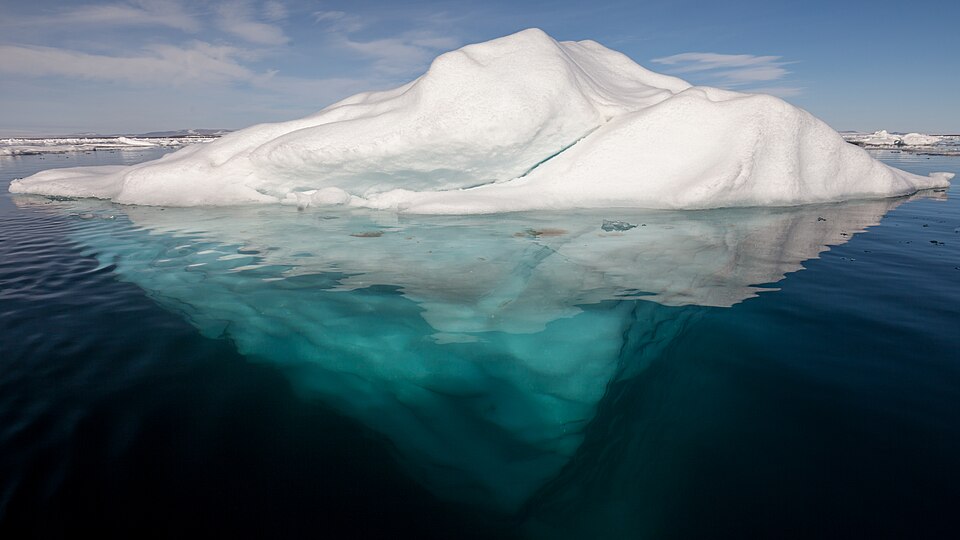
Even though the Arctic Ocean is the smallest ocean, it is still enormous. Its average depth is about 1,038 meters, making it much shallower than other oceans. The deepest point is the Litke Deep, which plunges to about 5,450 meters below the surface. Large areas of the ocean floor are continental shelves — relatively shallow underwater extensions of the surrounding continents. These shallow shelves make the Arctic Ocean unique compared to deeper oceans like the Pacific.
Sea Ice and Climate
Most of the Arctic Ocean is covered by sea ice throughout the year, but the amount of ice changes with the seasons. In winter, ice spreads across nearly the entire ocean, while in summer it shrinks significantly. The Arctic region is warming about twice as fast as the rest of the planet, and in recent summers scientists have recorded record-low amounts of sea ice. This rapid warming is changing the landscape of the Arctic and affecting weather patterns around the world. The loss of bright, reflective ice means the dark ocean water absorbs more heat from the sun, which causes even more warming.
Arctic Wildlife
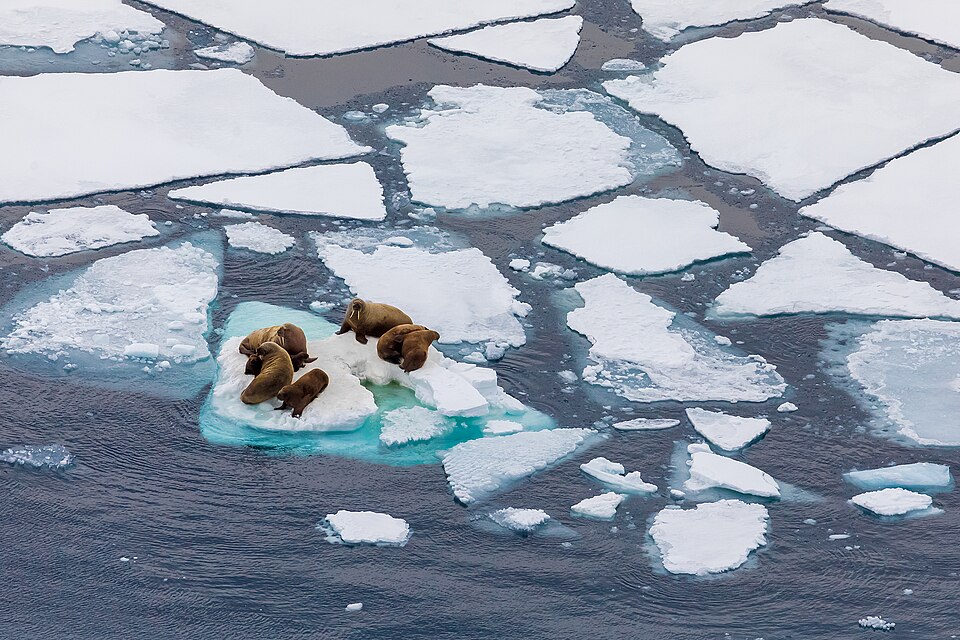
The Arctic Ocean and its surrounding coastlines are home to many remarkable animals that have adapted to extreme cold. Polar bears hunt on the sea ice, stalking ringed seals at their breathing holes. Walruses rest on ice floes and dive to the ocean floor to find clams and other shellfish. Beluga whales, narwhals, and bowhead whales swim through the frigid waters, sometimes navigating between gaps in the ice. Many species of seabirds nest along the Arctic coastline during the brief summer months. The waters beneath the ice contain plankton and fish that support the entire Arctic food chain.
People of the Arctic
Indigenous peoples, including the Inuit, Yupik, and other groups, have lived around the Arctic Ocean for thousands of years. They developed incredible survival skills, building shelters from snow and ice and hunting marine mammals for food, clothing, and tools. These communities have a deep understanding of Arctic weather, ice conditions, and animal behavior passed down through generations. Today, many Arctic Indigenous peoples continue to practice traditional ways of life while also participating in modern economies. Their knowledge of the changing Arctic environment is valuable to scientists studying climate change.
Shipping Routes and Exploration
As sea ice retreats, two historic shipping routes are becoming easier to navigate. The Northwest Passage winds through Canada’s Arctic islands, connecting the Atlantic and Pacific Oceans. The Northeast Passage runs along Russia’s northern coast. For centuries, explorers tried and often failed to find a way through these ice-choked waterways. Now, with less summer ice, cargo ships and tourist vessels are beginning to use these shortcuts more often. While shorter routes save time and fuel, increased shipping also brings risks of oil spills and disturbance to Arctic wildlife.
Natural Resources
The Arctic Ocean floor is rich in oil, natural gas, and mineral deposits. Scientists estimate that a large share of the world’s undiscovered oil and gas reserves lie beneath the Arctic seabed. Several countries — including the United States, Canada, Russia, Norway, and Denmark (through Greenland) — claim overlapping parts of the Arctic Ocean floor. These competing claims have led to international disputes and negotiations about who controls these valuable resources. Extracting resources from the Arctic is difficult and expensive because of the harsh climate, remote location, and environmental risks.
Why the Arctic Ocean Matters
The Arctic Ocean plays a crucial role in regulating Earth’s climate. Its ice reflects sunlight back into space, helping to keep the planet cool. Cold, dense Arctic water sinks and drives deep ocean currents that circulate heat around the globe. As the Arctic warms and ice melts, sea levels rise, threatening coastal communities everywhere. Scientists from many countries work together to study the Arctic Ocean, using icebreakers, underwater robots, and satellites to monitor changes. Understanding what happens in the Arctic helps us prepare for how our planet is changing.
 OtterKnow Kids Encyclopedia