The Big Five
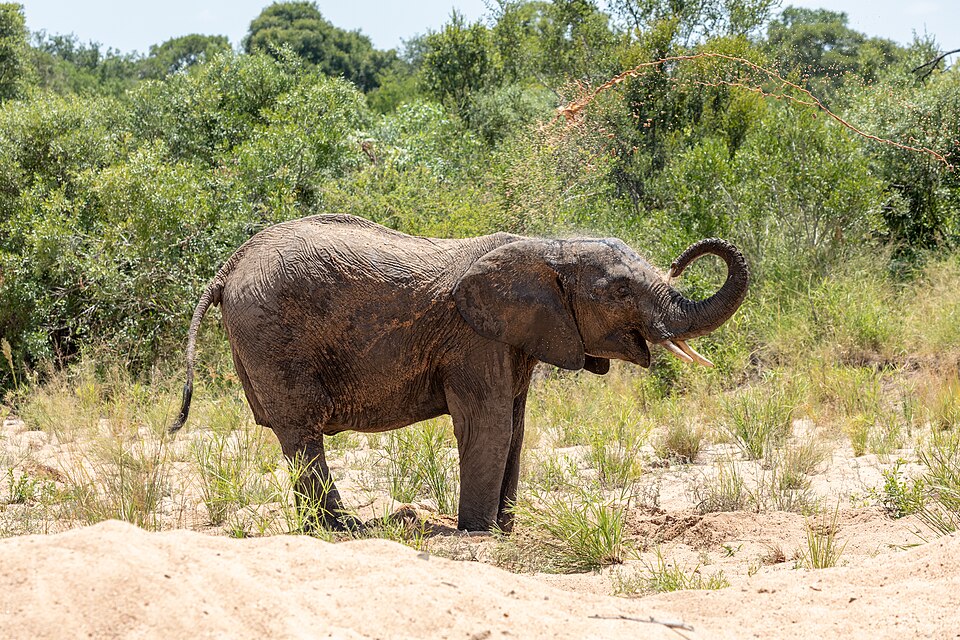
Kruger is one of the best places in the world to see the “Big Five” game animals: lions, leopards, elephants, rhinoceroses, and Cape buffalo. The term “Big Five” was originally used by big-game hunters to describe the five most dangerous African animals to hunt on foot. Today, the phrase is used by wildlife lovers and photographers who want to spot all five species during a visit. Seeing a leopard is considered the biggest challenge because these cats are shy, nocturnal, and excellent at hiding in trees. Many visitors keep a checklist and feel a great sense of accomplishment when they have seen all five.
An Incredible Variety of Life
Beyond the Big Five, Kruger is home to a huge range of animals. The park contains over 150 mammal species, more than 500 bird species, 114 reptile species, and 49 fish species, making it one of Africa’s most biodiverse protected areas. Visitors might spot cheetahs sprinting across the plains, hippos wallowing in rivers, or giraffes stretching their long necks to reach treetop leaves. African wild dogs, also called painted dogs because of their colorful coats, are one of the rarer and more exciting animals to encounter. The park’s rivers and watering holes are some of the best spots for watching many different species gather in one place.
Self-Drive Safaris
One of the things that makes Kruger special is that most visitors explore the park by driving themselves in their own cars. The park has a network of paved and unpaved roads that wind through different habitats, and visitors simply drive slowly and watch for animals along the way. There are strict rules to keep everyone safe: visitors must stay in their vehicles, stick to marked roads, and obey speed limits. The park has nine main entrance gates and many rest camps spread throughout, where visitors can stop to eat, refuel, and spend the night. Early morning and late afternoon are the best times for game viewing, since many animals rest during the heat of the day.
The Great Limpopo Transfrontier Park
Kruger National Park is part of something even bigger: the Great Limpopo Transfrontier Park. This enormous conservation area links Kruger with national parks in neighboring Mozambique and Zimbabwe, creating one of the largest wildlife protection zones in the world. The idea behind transfrontier parks, sometimes called “peace parks,” is that animals do not recognize national borders and need large, connected spaces to roam freely. By removing fences between the parks, elephants, wild dogs, and other wide-ranging animals can follow their natural migration routes. This cooperation between countries is an important model for conservation efforts around the world.
Protecting Rhinos
One of the biggest challenges facing Kruger National Park is the threat of rhino poaching. Poachers illegally kill rhinoceroses to sell their horns, which are highly valued in some parts of the world despite being made of the same material as human fingernails. South Africa has lost thousands of rhinos to poaching in recent decades, and Kruger has been hit especially hard because of its large rhino population. Park rangers work around the clock to patrol the vast wilderness, using tracking dogs, helicopters, and advanced technology to catch poachers. The fight to save Kruger’s rhinos is one of the most important wildlife conservation battles happening today.
Landscapes and Ecosystems
Kruger is not just one type of habitat but a patchwork of different ecosystems. The southern part of the park tends to have denser bush and more trees, while the northern section is drier with more open grasslands and unique baobab trees. Several rivers flow through the park, including the Limpopo, Olifants, and Crocodile rivers, providing water for wildlife and creating lush green corridors through the landscape. The rocky outcrops called kopjes dot the terrain and serve as lookout points for leopards and klipspringer antelope. Seasonal changes bring dramatic shifts, with the dry winter months turning the bush brown and making animals easier to spot near shrinking water sources.
Visiting Kruger
Kruger National Park is open to visitors year-round, though different seasons offer different experiences. The dry season from May to October is considered the best time for game viewing because animals gather around the remaining water sources and the thinner vegetation makes them easier to see. The wet season from November to April brings lush green landscapes, newborn animals, and excellent birdwatching as migrant species arrive. The park offers a range of accommodations, from basic campsites to comfortable lodges with restaurants and swimming pools. Whether visitors come for a single day trip or a week-long adventure, Kruger provides an unforgettable window into the wild heart of Africa.
 OtterKnow Kids Encyclopedia