A Zoning System for Protection
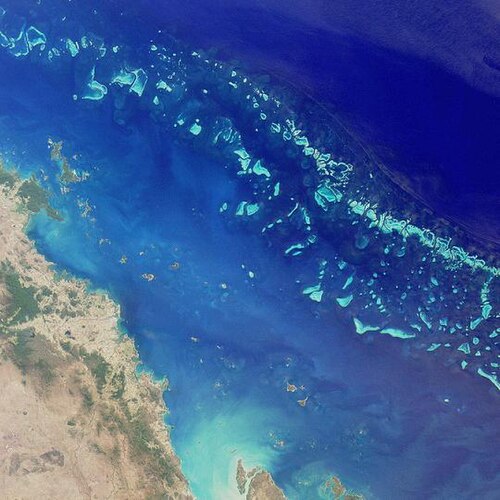
The marine park uses a clever zoning system to balance conservation with human activity. Different zones have different rules about what people can do, from fishing and boating to snorkeling and research. Some zones, called “green zones,” are fully protected, meaning no fishing or collecting is allowed at all. Other zones permit limited fishing or tourism under strict guidelines. This system helps make sure that the reef’s most fragile areas stay safe while people can still enjoy and learn from other parts of the park.
Amazing Ocean Life
The Great Barrier Reef Marine Park is home to a huge variety of marine life. More than 1,500 species of fish, 400 types of coral, and thousands of other creatures live within the park’s waters. Six of the world’s seven sea turtle species use the reef area for nesting and feeding, including the endangered green and loggerhead turtles. Dolphins, humpback whales, and dugongs (close relatives of manatees) swim through the warm waters. Tiny organisms called coral polyps build the reef itself, creating a living structure so large it is often called the biggest thing ever built by living creatures.
Threats from Climate Change
Climate change is the single greatest threat facing the Great Barrier Reef today. Warming ocean temperatures have caused multiple mass coral bleaching events in recent years, including in 2016, 2017, 2020, 2022, and 2024. Bleaching happens when stressed corals expel the tiny algae that live inside them and give them their color, turning the coral white. If the water stays too warm for too long, the coral can die. Scientists around the world are working to understand bleaching and develop solutions, including growing heat-resistant coral strains in laboratories that may help the reef adapt to warmer conditions.
Water Quality and Other Challenges
Besides warming oceans, poor water quality is another serious threat to the reef. Agricultural runoff from coastal farmland carries fertilizers, pesticides, and sediment into the ocean, smothering corals and encouraging harmful algal blooms. Crown-of-thorns starfish, which eat coral, sometimes appear in huge numbers and can destroy large sections of reef. Coastal development and pollution from cities and ports also put pressure on the ecosystem. The park authority works with farmers, scientists, and communities to reduce runoff and keep the water as clean as possible.
Visiting the Reef
About two million visitors explore the Great Barrier Reef Marine Park each year, making it one of Australia’s most popular destinations. Tourists can snorkel or scuba dive among colorful corals and tropical fish, ride glass-bottom boats, or take helicopter tours for a bird’s-eye view. Popular departure points include the cities of Cairns and Airlie Beach along the Queensland coast. The reef generates about 6.4 billion Australian dollars (roughly 4 billion US dollars) per year in economic value through tourism, fishing, and research. Strict rules help ensure that visitors enjoy the reef without damaging it.
Scientific Research
The Great Barrier Reef Marine Park is one of the most studied marine environments on Earth. Scientists from universities and research organizations around the world come to the reef to study coral biology, ocean chemistry, and marine ecosystems. Long-term monitoring programs track the health of corals, fish populations, and water quality year after year. Researchers are also experimenting with new ways to help damaged reefs recover, such as transplanting healthy coral fragments onto damaged areas. The data collected in the park helps scientists understand how ocean ecosystems everywhere are changing.
Why the Park Matters
Protecting the Great Barrier Reef is important not just for Australia but for the entire planet. Coral reefs support about one-quarter of all marine species, even though they cover less than one percent of the ocean floor. The marine park serves as a model for other countries trying to protect their own coastal waters and reef systems. By studying what works in the Great Barrier Reef Marine Park, conservation leaders can apply those lessons to marine parks around the world. The future of the reef depends on reducing carbon emissions, improving water quality, and continuing the scientific research that guides its protection.
 OtterKnow Kids Encyclopedia