The Highest Peaks
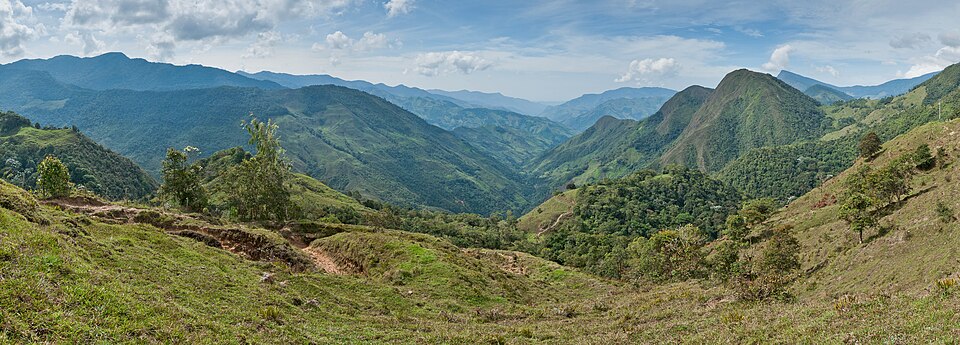
The tallest mountain in the Andes is Aconcagua, which stands 6,961 meters (22,838 feet) tall in western Argentina. Aconcagua is the highest point in all of the Americas and the highest mountain anywhere outside of Asia. Other towering peaks include Ojos del Salado on the Chile-Argentina border, which is the world’s highest active volcano, and Huascaran in Peru. Many Andes peaks are covered with glaciers and permanent snow, even though some are located near the equator.
The Andes were created by a process called subduction, where the Pacific oceanic plates slowly push beneath the South American continental plate. As the ocean floor dives downward, the land above is pushed upward, forming mountains. This same process also causes frequent earthquakes and volcanic eruptions throughout the region. The Andes contain about 30 percent of the world’s active volcanoes, making them one of the most volcanically active mountain ranges on Earth.
Rivers, Lakes, and Deserts
Some of the most important waterways in the world are connected to the Andes. The Amazon River, the largest river on Earth by volume, begins as small streams high in the Peruvian Andes. Lake Titicaca, sitting at 3,812 meters (12,507 feet) above sea level on the Peru-Bolivia border, is the world’s highest navigable lake. Between the Andes and the Chilean coast lies the Atacama Desert, one of the driest places on the planet, where some weather stations have never recorded rainfall.
The Inca Empire
The Andes were home to one of the greatest civilizations in history, the Inca Empire. At its peak in the 1400s and early 1500s, the Inca Empire stretched along much of the Andes and was connected by an impressive network of roads and bridges. The Incas built remarkable cities high in the mountains, including Cusco, their capital, and Machu Picchu, a mountaintop city that was hidden from the outside world for centuries. The ancient city of Tiwanaku near Lake Titicaca was built by an even earlier civilization.
Wildlife of the Andes
The Andes are home to many animals found nowhere else on Earth. The Andean condor, with a wingspan of up to 3.3 meters (10.5 feet), is the world’s largest flying bird by wingspan and soars over the peaks. Llamas and alpacas, domesticated thousands of years ago by Andean peoples, are still raised for their wool and as pack animals. Their wild relatives, the vicuna and guanaco, roam the high grasslands. The spectacled bear, South America’s only bear species, lives in cloud forests on the mountain slopes, and the mountain tapir is one of the region’s rarest mammals.
People and Culture
Millions of people live in the Andes today, and many communities maintain traditions passed down for generations. Indigenous peoples including the Quechua and Aymara have lived in the mountains for thousands of years and continue to speak their ancestral languages. Andean cities like Bogota, Quito, and La Paz are national capitals built at high elevations. Farmers in the Andes grow potatoes, quinoa, and corn on terraced hillsides, using farming methods developed by their ancestors centuries ago.
The Andes Today
The Andes face modern challenges including deforestation, mining, and the effects of climate change. Glaciers in the tropical Andes have been shrinking rapidly, threatening water supplies for millions of people who depend on glacier meltwater. Conservation efforts are underway to protect endangered species like the spectacled bear and the mountain tapir. National parks and protected areas throughout the range help preserve both the natural beauty and the cultural heritage of these mountains.
 OtterKnow Kids Encyclopedia