An Ancient Island
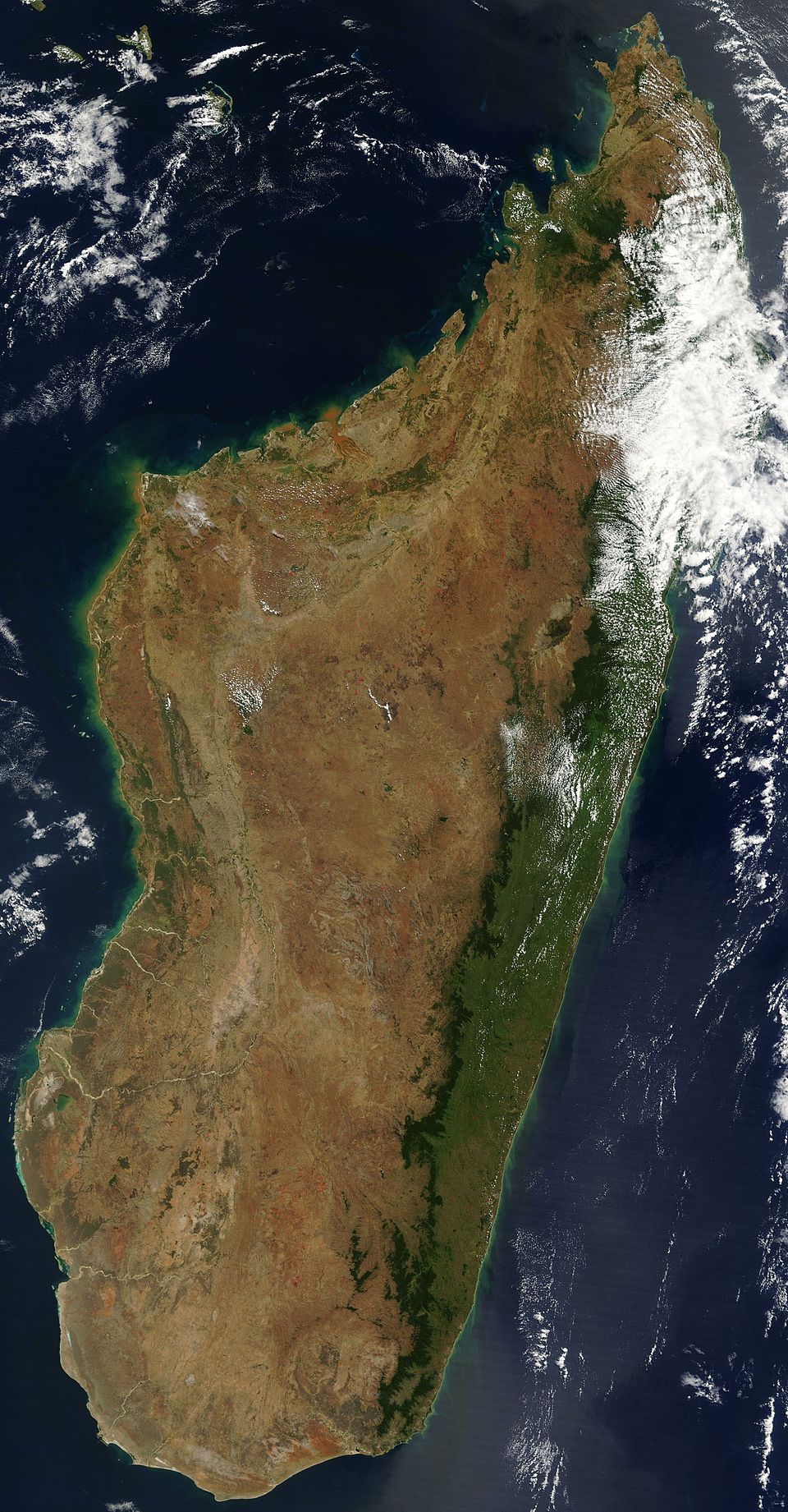
Madagascar broke away from the African mainland about 165 million years ago, during the age of the dinosaurs. It later separated from India about 88 million years ago. This long isolation gave wildlife on the island millions of years to evolve on its own, without competition from animals on other continents. That is why so many of Madagascar’s species are completely unique. About 90% of the wildlife found in Madagascar exists nowhere else on Earth.
Lemurs and Unique Wildlife
Madagascar is the only place in the world where lemurs live in the wild. Lemurs are a type of primate, related to monkeys and apes, and there are more than 107 known species on the island. Some of the most famous include the ring-tailed lemur, the mysterious aye-aye, and the indri, which is the largest living lemur. Madagascar is also home to about half of the world’s chameleon species, as well as the fossa, a cat-like predator that hunts lemurs. The island’s forests shelter thousands of unique insects, frogs, and birds as well.
Incredible Plants
The island’s plant life is just as unusual as its animals. Madagascar is famous for its towering baobab trees, which have enormous trunks that can store thousands of liters of water. The Avenue of the Baobabs, a row of these giant trees lining a dirt road, is one of the island’s most photographed landmarks. Many of Madagascar’s orchids, palms, and succulents are found nowhere else. Scientists continue to discover new plant species on the island every year.
People and Culture
The Malagasy people first arrived on Madagascar about 2,000 years ago. Remarkably, many of the earliest settlers came from Southeast Asia, traveling thousands of kilometers across the Indian Ocean by boat. Others arrived from the African mainland. This mix of origins gives Madagascar a culture that blends Asian and African traditions in food, language, music, and customs. The official languages are Malagasy and French, and the capital city is Antananarivo.
History and Independence
For centuries, powerful Malagasy kingdoms ruled the island, including the Merina kingdom that unified much of Madagascar in the 1800s. France colonized the island in 1896 and controlled it for more than six decades. Madagascar gained its independence from France on June 26, 1960. Since independence, the country has experienced political challenges, but its people continue to work toward a more stable and prosperous future.
Threats to the Environment
Madagascar faces serious environmental problems. About 80 to 90 percent of the island’s original forests have been destroyed, mostly through slash-and-burn farming, where people clear land by cutting and burning trees. This has put many unique species at risk of extinction, including dozens of lemur species. Soil erosion, caused by the loss of forest cover, washes red earth into rivers and the sea, giving parts of the coastline a reddish color visible from space. Conservation groups are working with local communities to protect what remains.
Why Madagascar Matters
Madagascar is sometimes called the “eighth continent” because its wildlife is so different from anywhere else. Losing its forests would mean losing species that cannot be found or replaced. Scientists study Madagascar to understand how evolution works when animals are isolated for millions of years. Protecting this island is not just important for the Malagasy people — it matters for the whole world’s natural heritage.
 OtterKnow Kids Encyclopedia