The Land and Nature
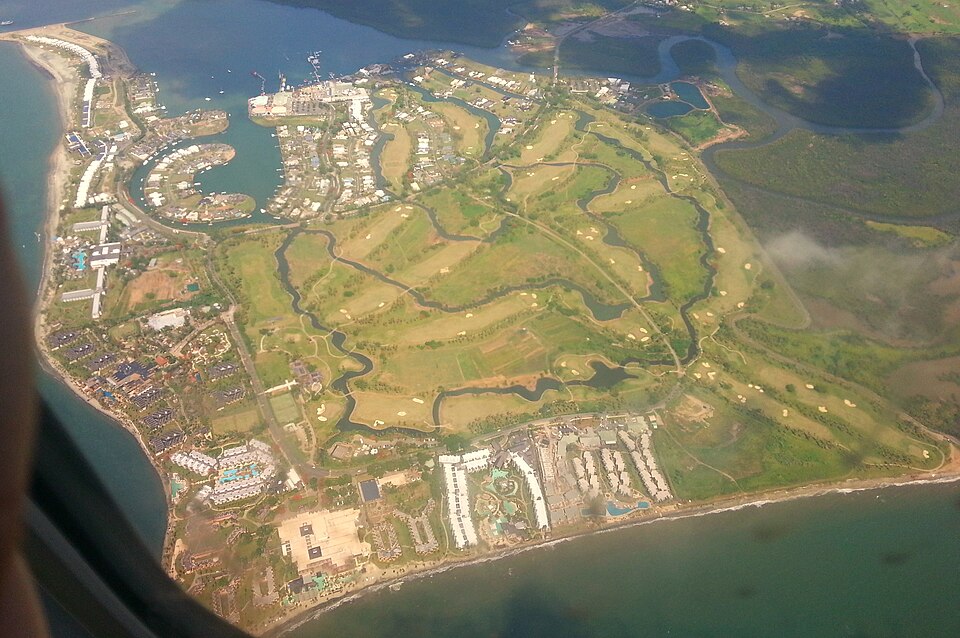
Fiji’s islands feature a mix of white sandy beaches, lush rainforest-covered mountains, and winding rivers. Many of the islands were formed by volcanic activity millions of years ago, while others are low-lying coral atolls. The interior of the larger islands is rugged and mountainous, with peaks reaching over 1,300 meters. Fiji receives plenty of rainfall, which feeds tropical forests filled with palms, ferns, and colorful flowering plants. The warm tropical climate keeps temperatures between about 22 and 31 degrees Celsius year-round.
Coral Reefs and Ocean Life
Fiji is sometimes called the “Soft Coral Capital of the World” because of its rich underwater ecosystems. The islands are surrounded by some of the best-preserved coral reef systems on the planet, hosting over 1,500 species of fish and 400 types of coral. Divers and snorkelers can spot manta rays, sea turtles, reef sharks, and colorful tropical fish in the clear lagoons. The Great Astrolabe Reef, one of the largest barrier reefs in the world, stretches along Fiji’s southern islands. Protecting these reefs is important because they support both marine life and the livelihoods of local fishing communities.
People and Culture
Fiji has a population of about 930,000 people. The native Fijian people are of Melanesian descent and have inhabited the islands for approximately 3,500 years. Today, Fiji is a multicultural nation with three official languages: English, Fijian, and Fiji Hindi. Traditional Fijian culture includes elaborate ceremonies, storytelling through a performance art called meke, and the practice of fire-walking. Kava, a drink made from the root of a pepper plant, plays an important role in Fijian gatherings and welcoming ceremonies.
History and Independence
The first people to settle in Fiji arrived from Southeast Asia around 3,500 years ago, traveling across the ocean in canoes. European explorers, including the Dutch navigator Abel Tasman, sighted the islands in the 1600s, but sustained European contact did not begin until the 1800s. Britain made Fiji a colony in 1874, and British rule brought major changes, including the arrival of workers from India to labor on sugar plantations. Fiji gained its independence from the United Kingdom on October 10, 1970. Since then, the country has worked to build a democratic government while honoring its diverse cultural traditions.
Economy and Tourism
Tourism is the largest source of income for Fiji, drawing visitors from around the world who come for the beaches, diving, and warm hospitality. The sugar industry has also been important to Fiji’s economy for over a century, along with fishing and forestry. Many Fijians work in agriculture, growing crops like sugarcane, coconuts, and cassava. The country has been developing new industries such as bottled water — Fiji Water is exported globally. Remittances from Fijians working abroad also contribute significantly to the national economy.
Sports and Celebrations
Rugby sevens is by far the most popular sport in Fiji, and the national team is one of the best in the world. Fiji won Olympic gold medals in rugby sevens at both the 2016 Rio Games and the 2020 Tokyo Games, sparking massive celebrations across the islands. Soccer and cricket are also enjoyed, along with traditional sports and canoe racing. Fijians celebrate holidays such as Fiji Day on October 10, which marks their independence, and the Hibiscus Festival, a week-long event in Suva featuring parades, music, and dancing. Community gatherings often include feasts called lovo, where food is cooked in an underground earth oven.
Fun Facts
Fiji is home to the Tagimoucia flower, a rare red-and-white blossom that grows only on the island of Taveuni and cannot be cultivated anywhere else. The country sits right near the 180th meridian, so parts of Fiji are among the very first places to see the sunrise each day. Fiji’s motto is “Rerevaka na Kalou ka Doka na Tui,” which means “Fear God and Honor the Queen,” a phrase kept from the colonial era. There are more than 28 species of native birds found nowhere else on Earth. Despite being a small island nation, Fiji punches well above its weight in international rugby, consistently competing against much larger countries.
 OtterKnow Kids Encyclopedia