Who Built It and Why?
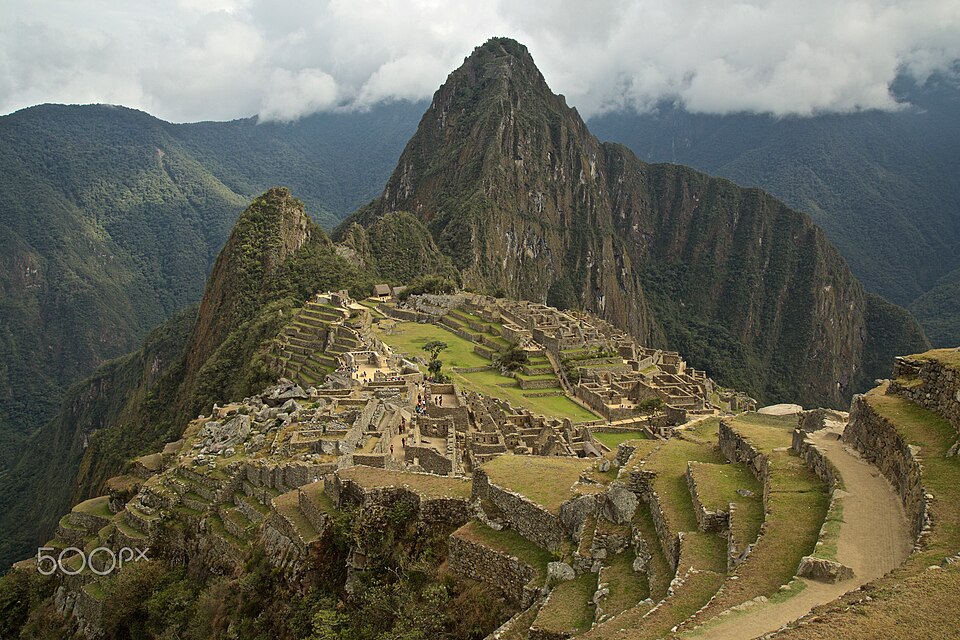
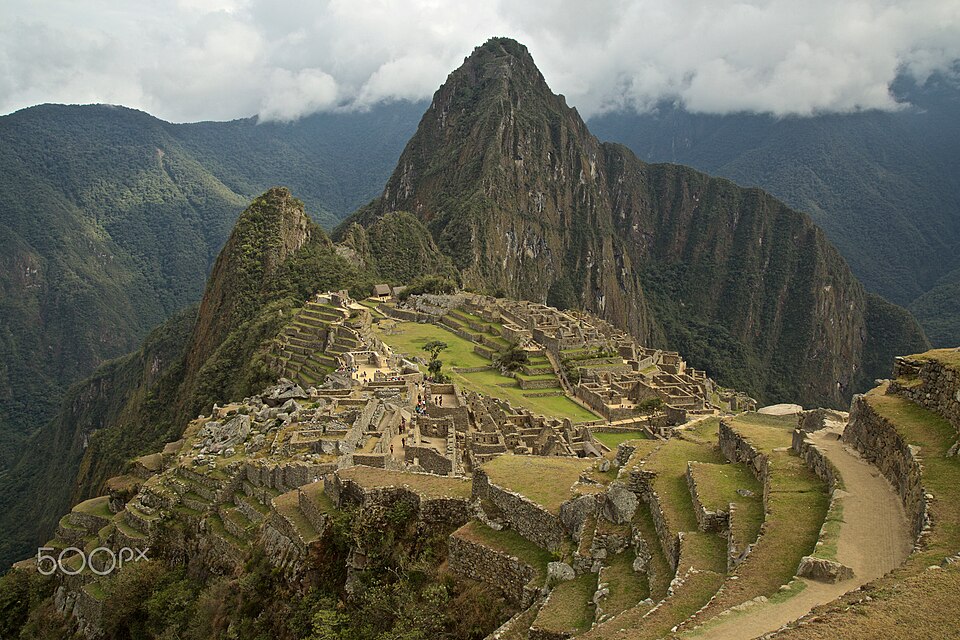
The Inca emperor Pachacuti ordered the construction of Machu Picchu during a time when the Inca Empire was expanding across South America. Scientists still debate the city’s exact purpose — some believe it was a royal estate where the emperor and his court could rest, while others think it served as a religious retreat or a military stronghold. The city contained about 200 buildings, including temples, palaces, storehouses, and homes for workers. It was carefully planned with separate areas for farming, living, and worship.
Amazing Construction
One of the most impressive things about Machu Picchu is how it was built. The Inca builders shaped enormous stones using only stone, bronze, and copper tools — they had no iron and no wheels. The stones were cut so precisely that they fit together without any mortar or cement, and even today a knife blade cannot slide between them. About 60 percent of the construction actually lies underground, including a complex system of drainage channels and deep foundations that keep the city stable on its steep mountain ridge.
A Hidden City
Machu Picchu was occupied for only about 100 years before it was abandoned, likely during the Spanish conquest of the Inca Empire in the 1500s. The Spanish conquerors never found the city, so it was never destroyed or looted the way many other Inca sites were. For centuries, the ruins remained hidden under thick jungle growth, known only to local Quechua farming families who lived nearby. The outside world did not learn about Machu Picchu until 1911.
Rediscovery
In 1911, American historian Hiram Bingham III traveled to Peru searching for the lost Inca capital of Vilcabamba. Local Quechua farmers led him up a steep mountainside to the overgrown ruins of Machu Picchu. Bingham was amazed by what he found and organized several expeditions to clear and study the site. Although Bingham is often credited with “discovering” Machu Picchu, local people had always known it was there, and other explorers and landowners had visited before him.
Life at Machu Picchu
At its peak, Machu Picchu was home to around 750 people. Farmers grew crops like corn and potatoes on stone terraces carved into the steep hillsides. These terraces also helped prevent landslides and managed rainwater. The city had a system of fountains and channels that carried fresh water from a spring on the mountainside down through the settlement. Temples and sacred spaces show that religion and astronomy played important roles in daily life.
A World Treasure
Machu Picchu was designated a UNESCO World Heritage Site in 1983, recognizing its outstanding cultural and natural value. In 2007 it was named one of the New Seven Wonders of the World in a global public vote. About 1.5 million tourists visit the site each year, drawn by its dramatic mountain setting and mysterious history. The Peruvian government has put visitor limits and timed entry rules in place to help protect the ancient stones from wear.
Protecting the Site
Preserving Machu Picchu is an ongoing challenge. Heavy foot traffic, landslides, and climate change all threaten the ancient structures. Conservators work to stabilize walls, manage drainage, and restore sections that have been damaged over the centuries. Peru has also worked with international organizations to prevent illegal development near the site. Keeping Machu Picchu safe ensures that future generations can continue to learn from this extraordinary window into the Inca world.
 OtterKnow Kids Encyclopedia