Why Was It Built?
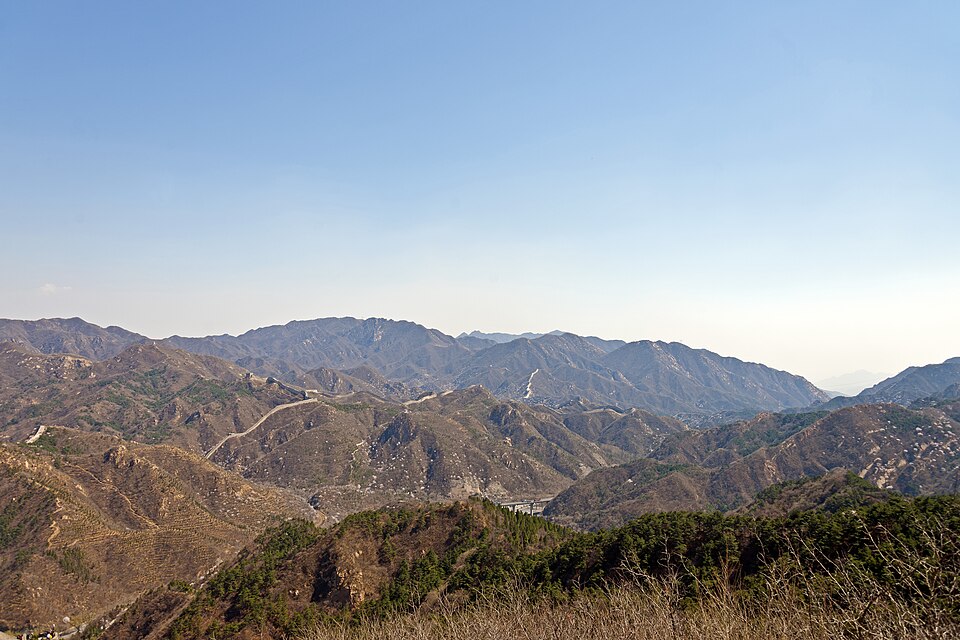
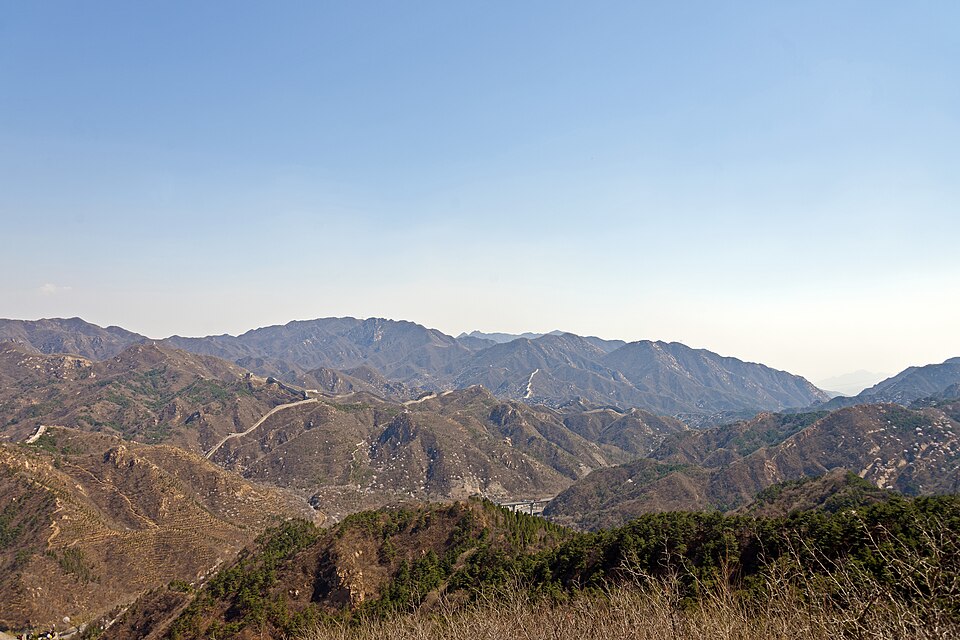
The Great Wall was built to protect Chinese states and empires from invasions by nomadic groups from the north. For centuries, groups such as the Mongols and Xiongnu raided towns and farms along China’s northern border. Rulers decided that a massive wall system would help soldiers spot enemies from a distance and slow down attacking armies. Watchtowers were placed every 100 to 200 meters along the wall so guards could send smoke or fire signals to warn of approaching danger. The wall also helped control trade and immigration along important routes like the Silk Road.
How Was It Built?
Building the Great Wall was an enormous task that required millions of workers over hundreds of years. Soldiers, peasants, and prisoners were all put to work carrying stones, mixing mortar, and packing earth. The materials used depended on what was available nearby — some sections were made of stone and brick, while others used tamped earth or wood. Workers in remote mountain areas had to carry heavy materials up steep slopes without modern machines. The harsh conditions made the work extremely dangerous, and many workers lost their lives during construction.
The Ming Dynasty Wall
The most famous and best-preserved sections of the Great Wall were built during the Ming Dynasty, which ruled China from 1368 to 1644. The Ming emperors rebuilt and strengthened the wall after Mongol armies threatened their borders. These sections feature sturdy stone and brick construction with an average height of 6 to 7 meters (20 to 23 feet). The wall was wide enough on top for soldiers to march side by side or even ride horses along it. Many of the popular tourist sections near Beijing, such as Badaling and Mutianyu, date from this period.
Can You See It from Space?
One popular myth says the Great Wall of China is the only human-made structure visible from space with the naked eye. However, NASA astronauts have confirmed that this is not true. From low Earth orbit, the wall is very difficult to spot because it is narrow compared to its surroundings. Roads, airports, and cities are actually much easier to see from space than the wall. While the Great Wall is impressively long, it is only about 4 to 5 meters wide, which makes it blend in with the natural landscape when viewed from high above.
The Wall Today
The Great Wall is one of China’s most popular tourist attractions, drawing tens of millions of visitors each year. Some sections have been carefully restored and include walkways, railings, and visitor centers. However, significant portions of the wall have been damaged or lost over time due to erosion, farming, and development. In remote areas, entire sections have crumbled into piles of earth and stone. The Chinese government and conservation groups are working to preserve the remaining sections for future generations.
Fun Facts
The Great Wall is not a single continuous wall but rather a network of walls, trenches, and natural barriers built by many different dynasties. Some sections run parallel to each other, and a few were built far from the main line to protect specific cities or valleys. If you walked the entire length of the wall without stopping, it would take you more than a year to finish the journey. The wall has appeared in countless books, films, and artworks, making it one of the most recognized symbols of China around the world. Every year, marathon races are held along restored sections of the wall, attracting runners from many countries.
 OtterKnow Kids Encyclopedia