Indigenous History
The area around Sydney has been home to Aboriginal peoples for at least 30,000 years. The Eora Nation, which includes the Gadigal people, lived along the harbor and coastline long before Europeans arrived. They fished in the harbor, hunted in the surrounding bushland, and created rock art that can still be seen in parts of the city today. Their deep connection to the land and sea continues to be an important part of Sydney’s identity and culture.
European Settlement
British Captain Arthur Phillip arrived at Sydney Cove in January 1788 and established the first European settlement in Australia. The colony began as a place where Britain sent convicts, and life in those early years was difficult for both the settlers and the Aboriginal people whose land was taken. Over the following decades, Sydney grew from a small colonial outpost into a thriving port city. Free settlers, gold rush immigrants, and waves of newcomers from around the world helped shape the diverse city that exists today.
The Sydney Opera House
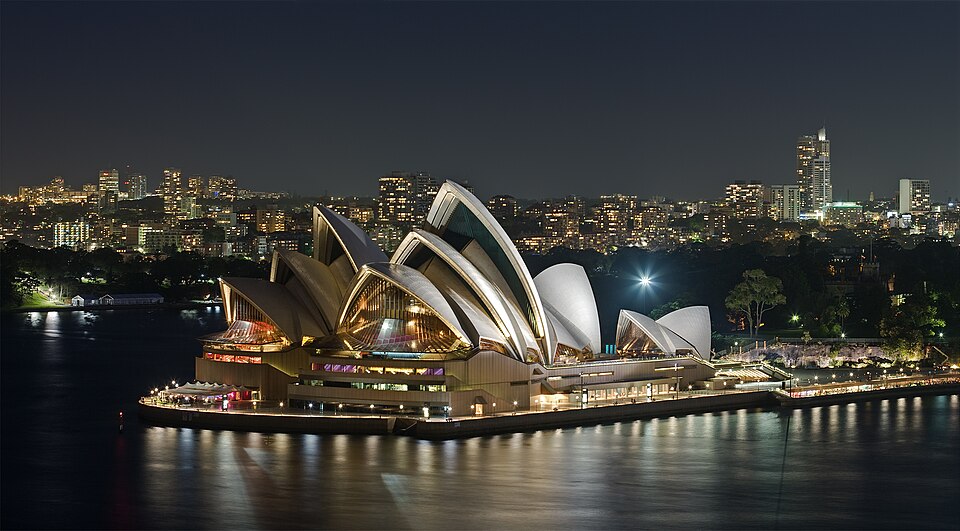
The Sydney Opera House, which opened in 1973, is one of the most distinctive buildings of the twentieth century. Its white, sail-shaped roof shells rise above the harbor and have become a symbol of both Sydney and all of Australia. Danish architect Jorn Utzon designed the building, and its construction took sixteen years due to the complexity of the design. The Opera House is a UNESCO World Heritage Site and hosts more than 1,500 performances each year, including opera, ballet, theater, and concerts.
Sydney Harbour Bridge
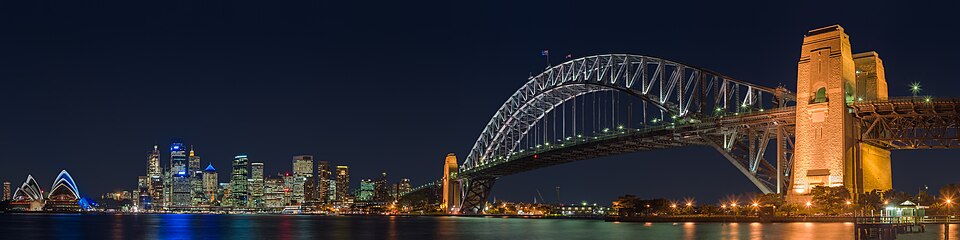
The Sydney Harbour Bridge, which opened in 1932, is the world’s largest steel arch bridge. Locals nicknamed it “the Coathanger” because of its distinctive shape. The bridge connects the city’s northern and southern shores and carries cars, trains, bicycles, and pedestrians across the harbor. Adventurous visitors can even climb to the top of the arch for wide views of the city, the harbor, and the Opera House below.
Beaches and Nature
Sydney is famous for its beautiful beaches, and Bondi Beach is the most well-known of them all. Surfers, swimmers, and sunbathers enjoy Bondi’s golden sand and rolling waves throughout the year. The city has a warm, temperate climate with mild winters and warm summers, making outdoor activities popular in every season. Beyond the beaches, Sydney is surrounded by national parks and bushland, including the Blue Mountains to the west, where visitors can hike among eucalyptus forests and dramatic sandstone cliffs.
Celebrations and Events
Sydney is known around the world for its spectacular New Year’s Eve fireworks display over the Harbour Bridge, which is watched by millions of people on television. The city also hosted the 2000 Summer Olympics, an event that showcased Sydney to a global audience and left behind world-class sports facilities. Throughout the year, festivals celebrating food, film, art, and the cultures of Sydney’s diverse population fill the city’s streets and parks. From Vivid Sydney, a festival of light and music, to the Sydney Royal Easter Show, there is always something happening.
Why Sydney Matters
Sydney is a city where ancient Indigenous heritage meets modern innovation. Its well-known landmarks, beautiful natural setting, and multicultural population make it one of the most livable and visited cities in the world. As Australia’s gateway to the Asia-Pacific region, Sydney plays an important role in international trade, diplomacy, and culture.
 OtterKnow Kids Encyclopedia