History and Founding
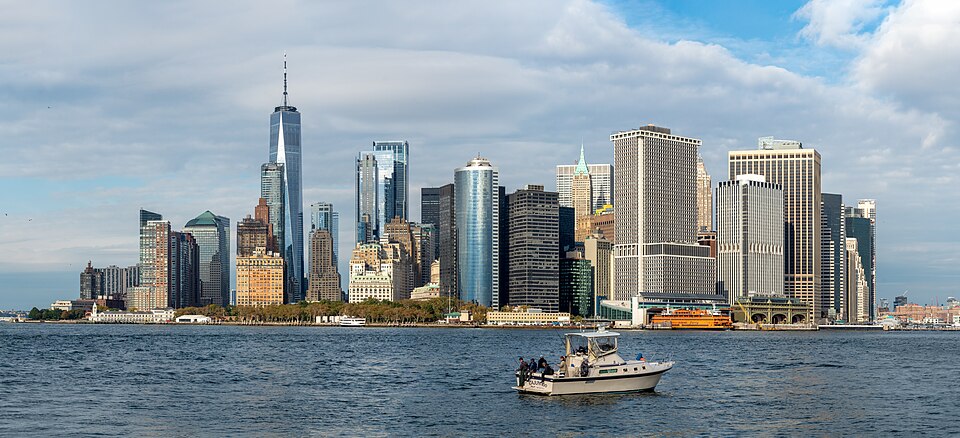
Long before European explorers arrived, the Lenape people lived on the land that is now New York City. In 1626, Dutch colonists established a settlement called “New Amsterdam” on the southern tip of Manhattan. In 1664, the English took control of the colony and renamed it New York after the Duke of York. The city grew rapidly over the centuries and played a key role in the American Revolution and the early years of the United States. From 1785 to 1790, New York City even served as the nation’s capital, and George Washington was inaugurated as the first president there in 1789.
Famous Landmarks
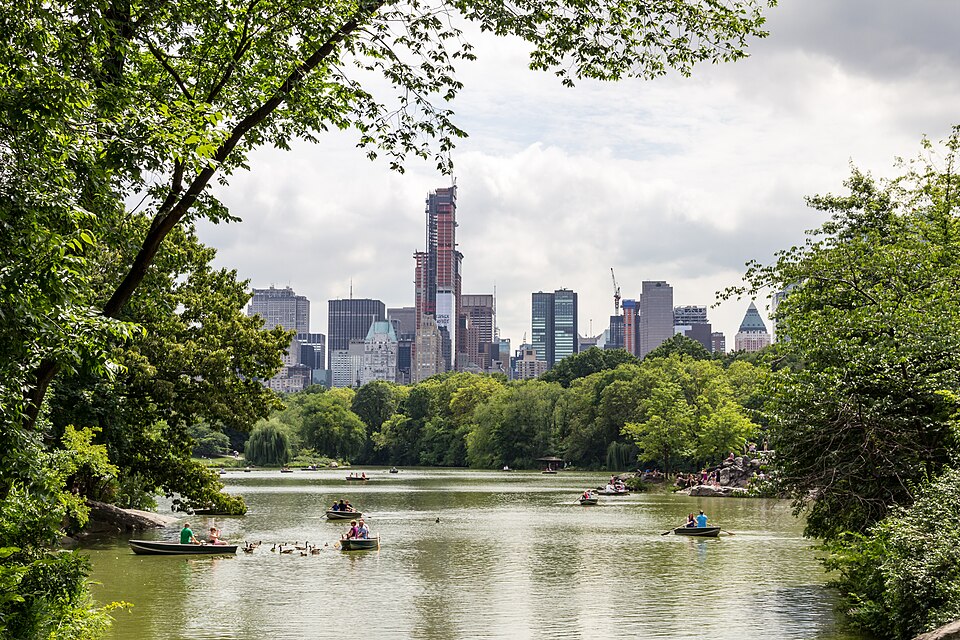
New York City is packed with landmarks that people recognize around the world. The Statue of Liberty, a gift from France in 1886, stands on Liberty Island in New York Harbor and has welcomed millions of newcomers to America. The Empire State Building, completed in 1931, was the tallest building in the world for nearly 40 years. Central Park stretches across 843 acres in the heart of Manhattan, providing a green escape for city residents and visitors. Other famous sites include Times Square, the Brooklyn Bridge, and the One World Trade Center, which was built to honor those lost on September 11, 2001.
A Gateway for Immigrants
New York City has long been a gateway for people coming to the United States from other countries. Ellis Island, located in New York Harbor, received about 12 million immigrants between 1892 and 1954, making it the busiest immigration station in American history. Many of these newcomers came from countries in Europe seeking better lives for their families. Today, New York City remains one of the most diverse places on the planet, with people from virtually every country calling it home. Over 800 languages are spoken in NYC, which is more than any other city on Earth.
Getting Around the City
New York City has one of the largest and busiest public transportation systems in the world. The subway system has 472 stations, the most of any metro system on Earth, and runs 24 hours a day, seven days a week. Millions of people ride the subway, buses, and ferries every day to get to work, school, and other places around the city. The famous yellow taxicabs are another well-known way to travel through the busy streets. Walking is also one of the most popular ways to get around, especially in Manhattan, where many neighborhoods are packed closely together.
Arts, Culture, and Entertainment
New York City is a world capital of arts and culture. Broadway, a street in Manhattan, is home to dozens of famous theaters where musicals and plays attract audiences from around the globe. The Metropolitan Museum of Art, one of the largest art museums in the world, holds more than two million works spanning 5,000 years of history. The city’s music scene has given birth to genres like hip-hop, punk rock, and jazz. Museums, galleries, concert halls, and street performances can be found in every corner of the city, making NYC an exciting place for anyone who loves creativity and expression.
Wall Street and Business
New York City is one of the world’s leading centers for finance and business. Wall Street, a small street in lower Manhattan, is home to the New York Stock Exchange, where billions of dollars in stocks are traded every day. Many of the world’s largest banks, law firms, and media companies have their headquarters in the city. The United Nations headquarters is also located in Manhattan, where representatives from countries around the world meet to discuss peace, human rights, and global cooperation. This concentration of power and influence has made New York City one of the most economically important cities on the planet.
Life in the Big Apple
New Yorkers often call their city “The Big Apple,” a nickname that became popular in the 1920s. Daily life in NYC is fast-paced, with people from all backgrounds living and working side by side. The city is famous for its food, from classic New York-style pizza and bagels to cuisines from every corner of the world. Each borough has its own character and neighborhoods with unique traditions and flavors. Despite its enormous size and busy pace, New York City is also a place of strong communities, neighborhood parks, local shops, and cultural celebrations that bring people together throughout the year.
 OtterKnow Kids Encyclopedia