How Nairobi Got Its Name
The name “Nairobi” comes from the Maasai phrase “Enkare Nairobi,” which means “cool waters.” The Maasai are a group of people who have lived in Kenya and Tanzania for centuries, and they named the area after the cool streams that once flowed through the land. The city was founded in 1899 as a railway depot during the construction of the Uganda Railway, which connected the coast of Kenya to Lake Victoria. What started as a small camp for railway workers quickly grew into a town and eventually became the capital of Kenya when the country gained independence in 1963.
Wildlife in the City
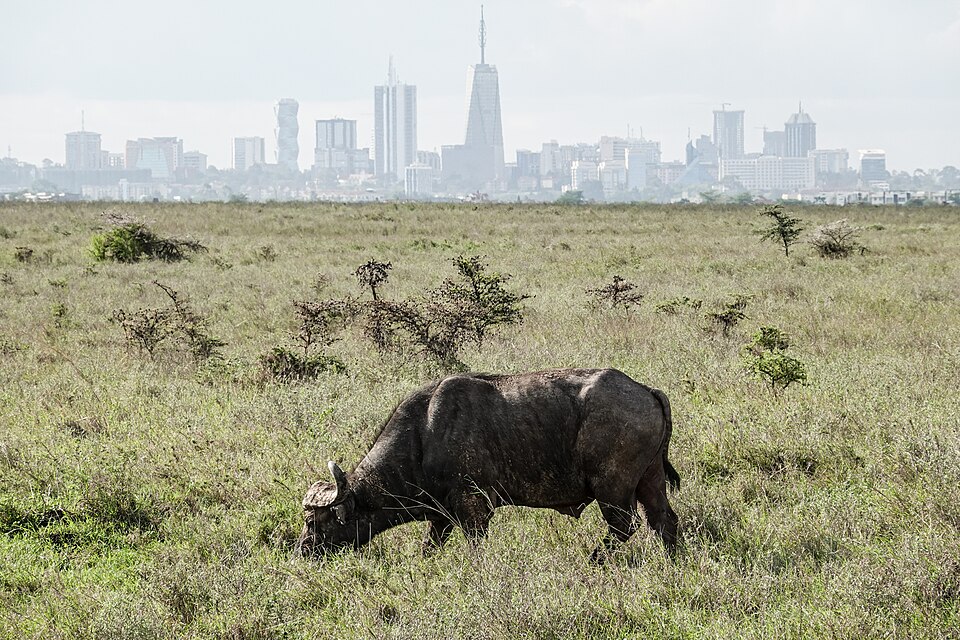
Nairobi is unique among the world’s capital cities because it has an entire national park within its borders. Nairobi National Park is home to lions, giraffes, rhinos, zebras, and many other animals that roam freely against a backdrop of the city’s skyline. Visitors can go on a safari just minutes from downtown, watching wildlife in their natural habitat while tall buildings rise in the distance. The park covers about 117 square kilometers and serves as an important protected area for endangered black rhinos. The David Sheldrick Wildlife Trust, located near the park, rescues and raises orphaned elephants before releasing them back into the wild.
A Center for Africa and the World
Nairobi is one of Africa’s most important economic hubs, with many international companies and organizations based there. The United Nations Environment Programme (UNEP) has its headquarters in Nairobi, making it the only United Nations headquarters located in a developing country. The city is also home to the United Nations Office at Nairobi, where leaders from around the world meet to discuss environmental issues. Nairobi’s central location in East Africa and its modern airports and roads make it a gateway for business and travel across the continent.
Culture and Landmarks
The city has many interesting places to visit and things to experience. The Karen Blixen Museum, once the home of the Danish author who wrote “Out of Africa,” sits on the outskirts of the city and offers a glimpse into Kenya’s colonial past. The Nairobi National Museum displays art, cultural artifacts, and natural history exhibits that tell the story of Kenya’s people and wildlife. Nairobi’s markets, such as the Maasai Market, are lively spots where visitors can find handmade jewelry, carvings, and colorful fabrics. The city also has a growing arts and music scene, with theaters, galleries, and live performances that celebrate Kenyan and African culture.
Gateway to Safari Adventures
Many of the world’s most famous safari destinations are within reach of Nairobi. The Masai Mara National Reserve, known for the Great Migration of millions of wildebeest and zebras, is one of the most popular trips from the city. Amboseli National Park, which offers wide views of Mount Kilimanjaro, is also a common destination for travelers starting their journey in Nairobi. Tour companies and safari lodges based in the city help millions of tourists each year explore Kenya’s landscapes and wildlife. This makes Nairobi one of the most important tourism centers in all of Africa.
Everyday Life in Nairobi
Life in Nairobi is fast-paced and diverse. The city has a mix of modern shopping malls, traditional open-air markets, busy roads, and quiet neighborhoods. Kenyans in Nairobi speak several languages, including English, Swahili, and many local languages depending on their ethnic background. Popular foods include ugali (a thick cornmeal porridge), nyama choma (grilled meat), and chapati (flatbread). The city is also known for its vibrant matatu minibuses, which are brightly painted and decorated with images of celebrities and pop culture, serving as the main form of public transportation for most residents.
 OtterKnow Kids Encyclopedia