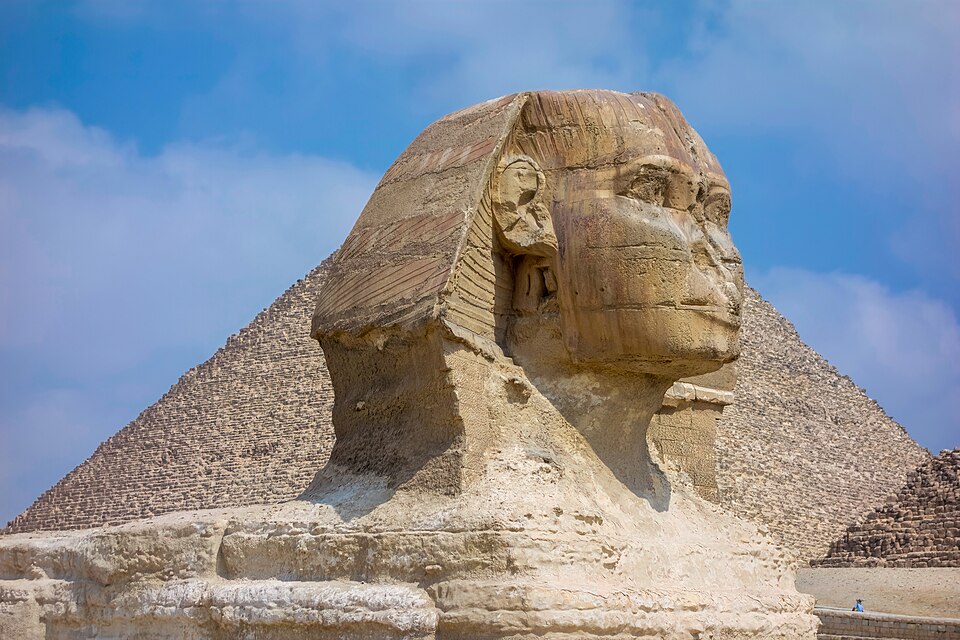
The Pyramids and the Sphinx
The Pyramids of Giza and the Great Sphinx are located just outside Cairo in the nearby city of Giza, and they can actually be seen from parts of Cairo itself. The Great Pyramid, built around 2560 BCE for the pharaoh Khufu, is the oldest of the Seven Wonders of the Ancient World and the only one still standing. The Sphinx, a limestone statue with the body of a lion and the head of a human, guards the pyramid complex and has watched over the desert for more than 4,500 years. These monuments were built long before Cairo existed, but the city grew up near them over the centuries. Millions of tourists travel to Cairo every year to see these ancient structures up close.
The Egyptian Museum
The Egyptian Museum in downtown Cairo houses the world’s largest collection of ancient Egyptian artifacts, with more than 120,000 items on display. Its most famous treasures include the golden mask and burial goods of Tutankhamun, the boy pharaoh who ruled Egypt over 3,300 years ago. Visitors can also see mummies, jewelry, statues, and everyday objects that tell the story of life in ancient Egypt. A newer museum, the Grand Egyptian Museum near the pyramids, has been built to hold even more of Egypt’s vast collection. Together, these museums make Cairo one of the most important cities in the world for studying ancient history.
The Nile River
The Nile River flows through the western edge of Cairo and has been the lifeblood of Egyptian civilization for thousands of years. Ancient Egyptians depended on the Nile’s yearly floods to water their crops and make the surrounding desert land fertile. Today the river is still central to Cairo’s daily life, providing water, transportation, and recreation. Feluccas, traditional wooden sailboats, glide along the Nile and offer visitors peaceful rides with views of the city skyline. Bridges crossing the river connect Cairo’s eastern districts with islands and neighborhoods on the western bank.
History and Old Cairo
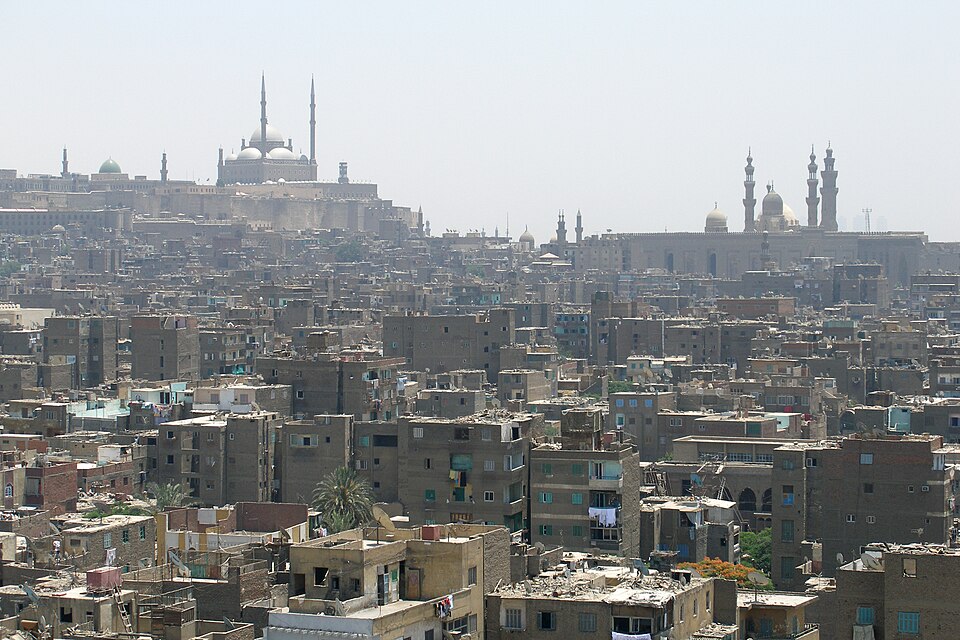
Cairo was founded in 969 CE by the Fatimid dynasty, who were building a new capital for their growing empire. However, the area had already been home to earlier settlements, including the ancient Egyptian city of Memphis and the Roman fortress of Babylon. Old Cairo, also called Islamic Cairo, is filled with mosques, churches, and narrow streets that have changed little over the centuries. Al-Azhar University, founded in 970 CE, is one of the oldest universities in the world and remains an important center of Islamic learning. Walking through Old Cairo feels like stepping back in time hundreds of years.
Markets and Daily Life
Khan el-Khalili is one of the oldest and most famous bazaars in the Middle East, and it has been a center of trade in Cairo since the 1300s. Shoppers can find everything from gold jewelry and hand-blown glass lanterns to spices, perfumes, and leather goods in its winding alleyways. Cairo is one of the most densely populated cities in the world, and its streets are filled with cars, buses, and pedestrians at nearly all hours. Egyptian cuisine features dishes like koshari (a mix of rice, lentils, and pasta), falafel, and sweet pastries soaked in honey. The energy of Cairo’s markets and neighborhoods gives the city a character all its own.
Modern Cairo
Modern Cairo is a sprawling city that stretches far beyond its historic core, with new suburbs, highways, and shopping centers expanding into the desert. Egypt’s government has been building a brand-new administrative capital east of Cairo to ease overcrowding in the old city. Cairo is home to major universities, hospitals, and media companies that serve the entire Arab world. The city faces challenges such as traffic congestion, air pollution, and housing shortages common to rapidly growing cities. Despite these challenges, Cairo remains the cultural and political heart of Egypt and one of the most important cities in the Middle East and Africa.
Fun Facts
- Cairo sits on the edge of the Sahara Desert, so the city gets very little rain — sometimes only a few days of rainfall per year.
- The name “Cairo” comes from the Arabic word “Al-Qahira,” which means “The Victorious.”
- Al-Azhar University has been teaching students for more than 1,000 years, making it one of the oldest degree-granting institutions in the world.
- From certain high points in Cairo, you can see the Pyramids of Giza rising above the city skyline in the distance.
 OtterKnow Kids Encyclopedia