The Congo River
The Congo River flows through the heart of the rainforest and is one of the most important rivers on Earth. It is the deepest river in the world, plunging to depths of more than 220 meters (720 feet) in some places. Stretching about 4,700 kilometers from its source to the Atlantic Ocean, the Congo is also the second-longest river in Africa after the Nile. The river and its many tributaries provide water, food, and transportation routes for millions of people living in the region. Its powerful flow carries more water than any other river in Africa.
Amazing Animals
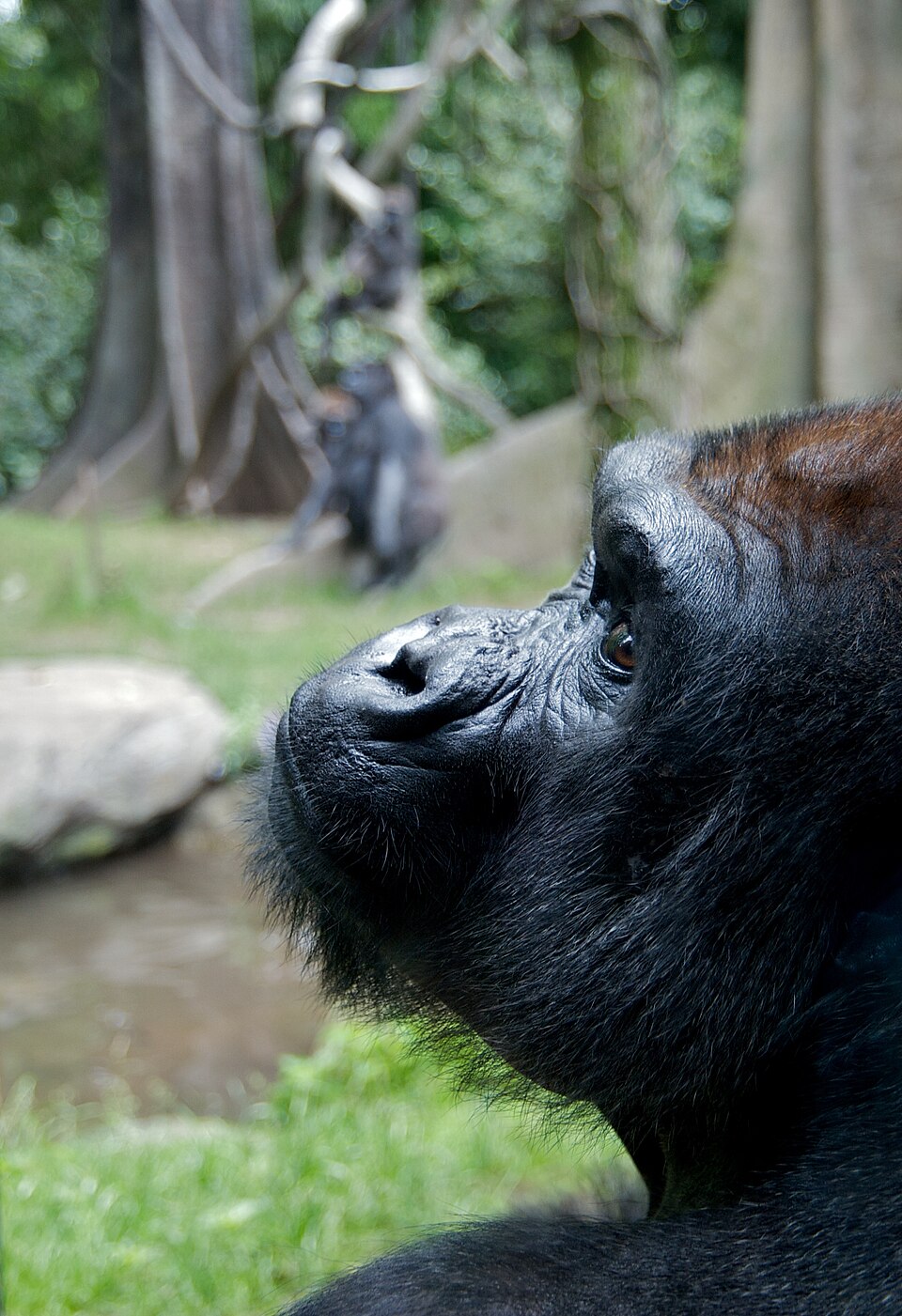
The Congo Rainforest is home to some of the most iconic and endangered animals on the planet. Western lowland gorillas, chimpanzees, and bonobos — our closest living relatives — all live within its borders. The forest also shelters forest elephants, which are smaller than their savanna cousins, as well as the okapi, a shy, striped animal related to the giraffe that is found nowhere else in the wild. Other notable species include African forest buffaloes, leopards, and hundreds of colorful bird species like the Congo peafowl.
Plant Life and Biodiversity
Scientists estimate that the Congo Rainforest contains more than 10,000 species of plants, many of which are found nowhere else on Earth. The forest has a layered structure: towering trees form a canopy up to 40 meters high, while shorter trees, shrubs, ferns, and mosses fill the understory below. Researchers have also identified over 1,000 bird species and approximately 400 mammal species in the region. New species are still being discovered regularly, and scientists believe many more remain unknown in the forest’s most remote areas.
Indigenous Peoples
Indigenous Pygmy peoples, including the Aka, Baka, Mbuti, and Twa, have lived in the Congo Rainforest for tens of thousands of years. These communities have developed an extraordinary understanding of the forest, using its plants for food, medicine, and building materials. They are skilled hunters and gatherers who move through the forest following seasonal patterns of fruits, nuts, and game. Their deep knowledge of the rainforest ecosystem is increasingly recognized by scientists as valuable for conservation efforts. Today, many indigenous communities face challenges as logging, mining, and farming push deeper into the forest.
Climate and the Environment
The Congo Rainforest stores enormous amounts of carbon in its trees, soil, and especially in its vast peatlands, which were only recently discovered to hold billions of tons of carbon. By absorbing carbon dioxide from the atmosphere, the forest helps slow global warming and regulate weather patterns across Africa and beyond. The rainforest also recycles huge quantities of water through evaporation and rainfall, helping to maintain wet conditions across Central Africa. Despite its global importance, the Congo Rainforest receives far less conservation funding and attention than the Amazon.
Threats and Conservation
The Congo Rainforest faces several serious threats. Deforestation from logging, farming, and mining destroys thousands of hectares of forest each year. Poaching endangers gorillas, elephants, and other wildlife, while the illegal bushmeat trade puts additional pressure on animal populations. Rapid population growth in the region increases demand for farmland and natural resources. However, conservation organizations, local governments, and indigenous communities are working together to establish protected areas, promote sustainable forestry, and combat illegal wildlife trade. Several national parks, including Virunga and Salonga, protect key areas of the forest and its wildlife.
 OtterKnow Kids Encyclopedia