Permafrost and the Frozen Ground
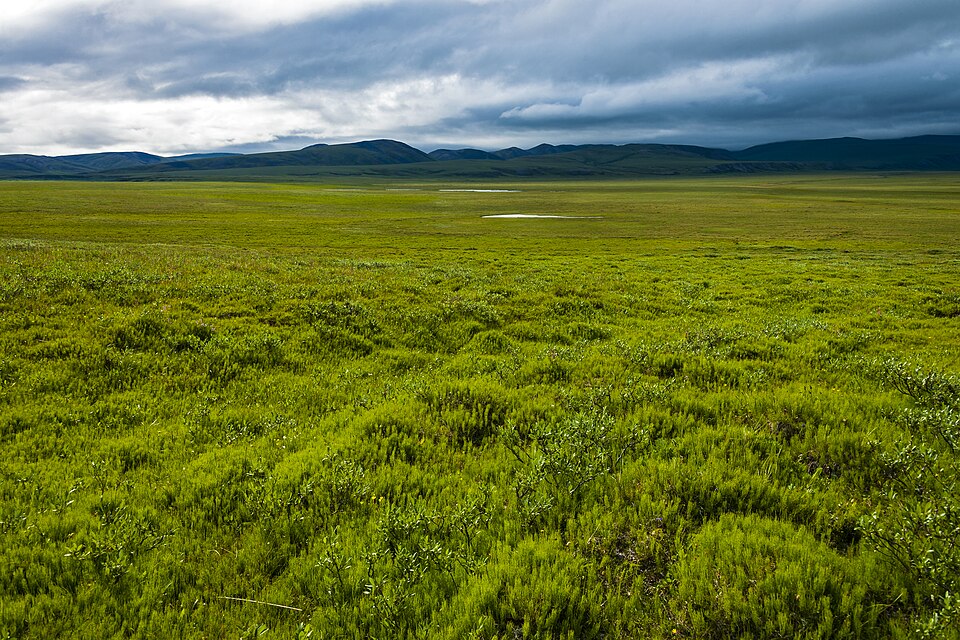
One of the most important features of the Arctic tundra is permafrost, a layer of ground that stays frozen year-round. Permafrost can extend hundreds of feet below the surface and has remained frozen for thousands of years. During the short summer, only the top layer of soil, called the active layer, thaws enough for plants to grow. Because the frozen ground underneath prevents water from draining away, the summer tundra is dotted with shallow ponds and marshy areas. This frozen foundation shapes everything about the tundra, from the kinds of plants that can survive to the way people build structures there.
A Cold Desert
Even though the tundra is covered in snow and ice for much of the year, it actually receives very little precipitation. Most areas get less than 250 millimeters (about 10 inches) of rain and snow per year, which is about the same as many hot deserts. Scientists sometimes call the tundra a “cold desert” because of how dry it is. The low precipitation means that snow on the ground is often thin and hard-packed by the wind. Despite the dryness, moisture stays near the surface in summer because the permafrost below prevents it from soaking deeper into the earth.
Plants of the Tundra
No tall trees grow on the Arctic tundra because the permafrost, short growing season, and powerful winds make it impossible for deep roots to take hold. Instead, the landscape is covered with low-growing plants such as mosses, lichens, sedges, and small shrubs that hug the ground. These hardy plants have adapted to survive freezing temperatures and grow quickly during the brief summer. When summer arrives, the tundra bursts into color with wildflower blooms that attract insects and birds from far away. Some tundra plants, like Arctic willow, grow only a few inches tall even though they may be decades old.
Animals That Call It Home
The Arctic tundra supports a wide range of animals despite its harsh climate. Large mammals such as caribou (also called reindeer), musk oxen, and polar bears roam the landscape in search of food. Smaller animals like Arctic foxes, Arctic hares, and lemmings survive by burrowing, growing thick fur, or changing color with the seasons. Birds such as snowy owls and ptarmigan live on the tundra year-round, while millions of migratory birds arrive each summer to breed near the plentiful ponds and wetlands. Many tundra animals have special adaptations like extra-thick fur, layers of body fat, or white camouflage to help them survive the cold and avoid predators.
The Midnight Sun and Polar Night
One of the most unusual things about the Arctic tundra is its extreme patterns of daylight and darkness. During summer, the sun never fully sets for weeks or even months, a phenomenon known as the midnight sun. This constant daylight gives plants and animals a burst of energy and time to grow, feed, and raise their young. In winter, the opposite happens: the sun stays below the horizon for extended periods, plunging the tundra into polar night. These dramatic shifts in light are caused by the tilt of the Earth on its axis as it orbits the sun.
People of the Tundra
Indigenous peoples have lived on the Arctic tundra for thousands of years, developing deep knowledge of the land and its resources. Groups such as the Inuit in North America, the Sami in Scandinavia, and the Nenets in Russia have traditionally relied on hunting, fishing, and herding reindeer for survival. They built shelters suited to the environment, traveled by dogsled, and crafted warm clothing from animal hides and furs. Today, many Indigenous communities blend traditional practices with modern technology while working to protect their cultural heritage. Their knowledge of tundra ecology is increasingly valued by scientists studying the region.
Climate Change and the Tundra’s Future
The Arctic is warming two to four times faster than the rest of the planet, and the effects on the tundra are dramatic. Permafrost that has been frozen for thousands of years is beginning to thaw, releasing stored carbon dioxide and methane into the atmosphere. These greenhouse gases can speed up global warming even further, creating a cycle that scientists find deeply concerning. Shrubs and even small trees are starting to grow in areas that were once too cold, changing the landscape and the animals that depend on it. Protecting the Arctic tundra has become one of the most important challenges in the fight against climate change.
 OtterKnow Kids Encyclopedia