Geography and Climate
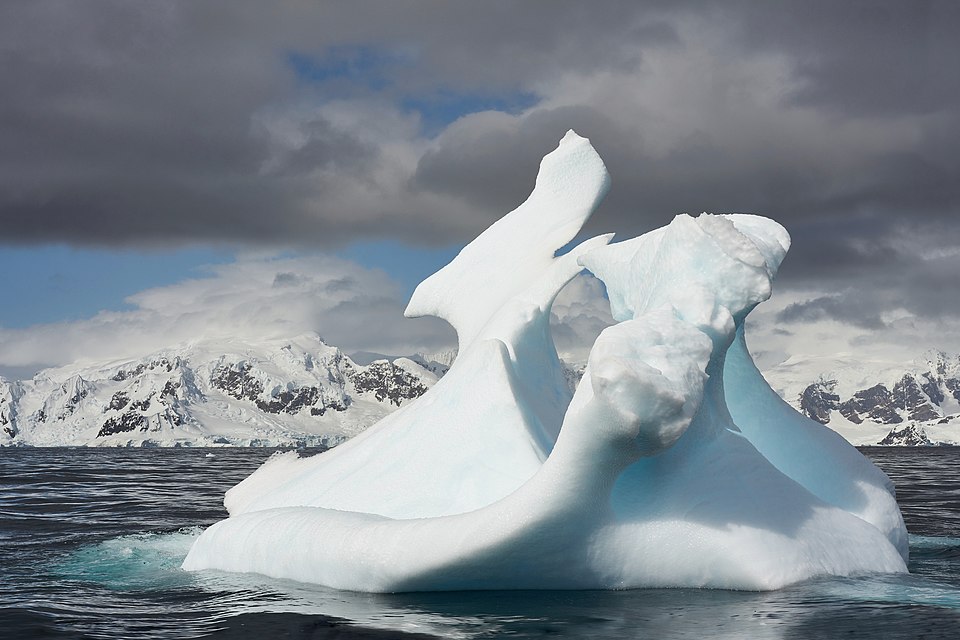
Antarctica is the coldest, windiest, and driest continent on the planet. The lowest temperature ever recorded on Earth was measured there at about minus 89 degrees Celsius. Powerful katabatic winds rush down from the high interior ice sheet toward the coast, sometimes reaching speeds of over 300 kilometers per hour. Despite being surrounded by ocean, Antarctica is so cold that moisture in the air freezes before it can form much precipitation. A thick ice sheet covers about 98 percent of the continent, and in some places the ice is over four kilometers deep.
The Antarctic Ice Sheet
The Antarctic ice sheet is the single largest mass of ice on Earth, and it contains about 70 percent of the world’s fresh water. If all of this ice were to melt, global sea levels would rise by roughly 58 meters, which would flood coastal cities around the world. The ice sheet formed over millions of years as snow fell and compacted into dense layers of ice. Scientists drill deep into the ice to extract ice core samples, which contain tiny bubbles of ancient air that reveal what Earth’s climate was like going back as far as 800,000 years.
Wildlife in the Cold
Despite its extreme conditions, Antarctica supports a surprising variety of life. Emperor penguins are famous for surviving the harsh Antarctic winter, huddling together in large groups to stay warm while incubating their eggs. Weddell seals live farther south than any other mammal, diving beneath the ice to hunt fish. The surrounding Southern Ocean is rich with Antarctic krill, tiny shrimp-like creatures that form the base of the food chain for whales, seals, and seabirds. Albatrosses, petrels, and skuas are among the many bird species that breed along Antarctica’s coasts.
Human Exploration
People did not set foot on Antarctica until the 1800s, and the race to reach the South Pole became one of the great adventure stories of the early twentieth century. Norwegian explorer Roald Amundsen was the first person to reach the South Pole in December 1911, just weeks before British explorer Robert Falcon Scott arrived. Today, no one lives permanently on Antarctica, but scientists from many countries work at research stations year-round. During the summer research season, the population of Antarctica can swell to around 5,000 people, while only about 1,000 remain through the dark, freezing winter.
The Antarctic Treaty
In 1959, twelve countries signed the Antarctic Treaty, which set aside the entire continent as a place for peaceful scientific research. The treaty bans military activity, nuclear testing, and mineral mining on Antarctica. No single country owns Antarctica, and today more than 50 nations have signed the agreement. The treaty also encourages international cooperation, meaning scientists from different countries often share research stations, data, and discoveries to better understand our planet.
Scientific Research
Antarctica is one of the best places on Earth for studying climate, geology, and even outer space. Ice core samples drilled from the ice sheet give scientists a detailed record of Earth’s atmosphere stretching back hundreds of thousands of years. The cold, dry air makes Antarctica an ideal location for astronomical observatories, and researchers there have made important discoveries about the ozone layer. Biologists study the unique organisms that survive in Antarctica’s extreme environment, which may help us understand how life could exist on other planets.
Why Antarctica Matters
Antarctica plays a vital role in regulating the Earth’s climate and ocean currents. The cold water that sinks around the continent drives a global system of ocean circulation that affects weather patterns everywhere. As global temperatures rise, scientists are closely monitoring the Antarctic ice sheet because even small amounts of melting could cause significant sea-level rise. Protecting Antarctica through international agreements helps preserve one of the last truly wild places on Earth and ensures that scientists can continue learning from this frozen continent.
 OtterKnow Kids Encyclopedia