Land and Nature
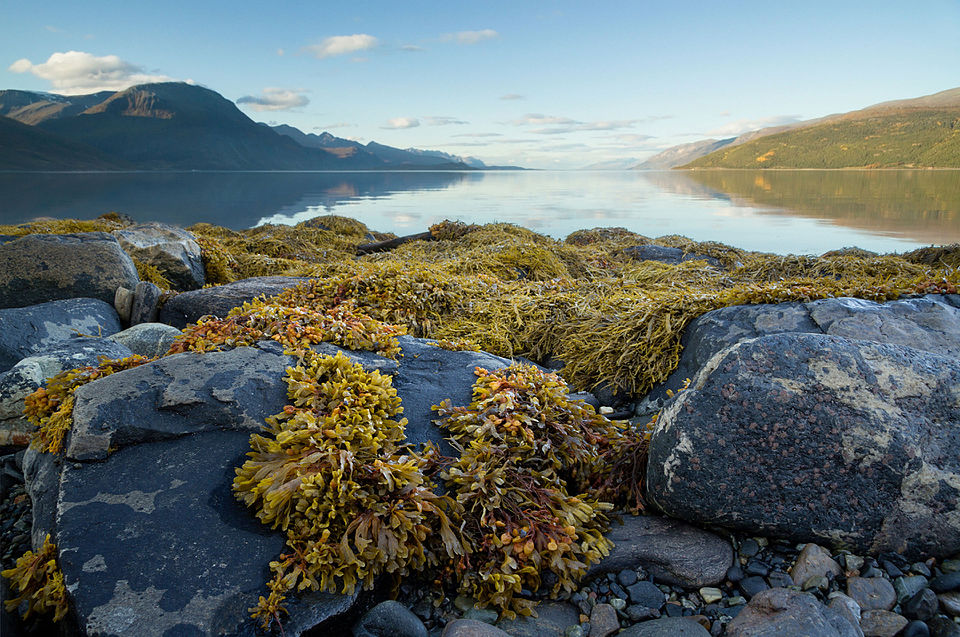
Norway’s landscape is one of the most striking in the world, shaped by ancient glaciers that left behind towering mountains, deep valleys, and crystal-clear lakes. The fjords along the western coast, including Sognefjorden (the longest fjord in Norway at over 127 miles), attract visitors from around the globe. In the far north, above the Arctic Circle, the midnight sun shines for weeks during summer, meaning the sun never fully sets. During winter in the same region, the polar night brings weeks of darkness, but the sky often glows with the northern lights, or aurora borealis. Norway is also home to large forests, glaciers, and the Jostedalsbreen glacier, which is the largest glacier on mainland Europe.
History and the Vikings
Norway has a long and fascinating history stretching back thousands of years. The Vikings, seafaring warriors and traders who lived from about 793 to 1066 CE, are among the most famous people in Norwegian history. They built fast longships and sailed across the Atlantic Ocean, reaching Iceland, Greenland, and even North America centuries before Columbus. After the Viking Age, Norway was united with Denmark for over 400 years and then with Sweden until it gained full independence in 1905. Today, Norway is a constitutional monarchy, meaning it has both a king (currently King Harald V) and an elected parliament called the Storting.
Economy and Resources
Norway is one of the wealthiest countries in the world, largely because of the oil and natural gas discovered beneath the North Sea in the late 1960s. Rather than spending all of its oil wealth right away, Norway created the Government Pension Fund Global, one of the largest sovereign wealth funds on Earth, to save money for future generations. Fishing has been important to Norway for centuries, and the country remains one of the world’s top exporters of salmon and cod. Hydropower generated by Norway’s many rivers and waterfalls provides nearly all of the country’s electricity, making it one of the cleanest energy producers in Europe. Norway consistently ranks at or near the top of global quality-of-life and human development indices.
Culture and Traditions
Norwegian culture is deeply connected to nature and the outdoors. A concept called friluftsliv, meaning “open-air living,” encourages people to spend time hiking, skiing, and exploring the wilderness year-round. Winter sports are a big part of Norwegian life, and the country has won more medals at the Winter Olympics than any other nation. The Nobel Peace Prize, one of the most famous awards in the world, is presented each year in Oslo, while the other Nobel Prizes are awarded in Stockholm, Sweden. Traditional Norwegian foods include brunost (brown cheese), lefse (a soft flatbread), and rakfisk (fermented fish), though modern Norwegian cuisine also features fresh seafood and locally grown ingredients.
Famous Norwegians
Norway has produced many people who have made a lasting impact on the world. The painter Edvard Munch created “The Scream,” one of the most recognizable artworks in history. Henrik Ibsen, often called the father of modern drama, wrote plays like “A Doll’s House” that changed theater forever. Explorer Roald Amundsen led the first expedition to reach the South Pole in 1911, and Fridtjof Nansen was a Nobel Peace Prize-winning explorer and humanitarian. In modern times, Norwegian musicians and DJs have helped shape electronic music and pop around the world.
Wildlife
Norway’s forests, mountains, and coastal waters are home to a rich variety of wildlife. Reindeer roam the northern tundra, and moose (called elk in Norway) are common in the forests. Along the coast, seabirds like puffins nest in enormous colonies on steep cliffs, and whales, including humpbacks and orcas, swim in the cold northern waters. The Arctic fox, wolverine, and lynx live in more remote mountain areas. Norway has established many national parks to protect its landscapes and the animals that depend on them.
Fun Facts
Norway’s coastline, if you include all the fjords and islands, stretches over 63,000 miles, which is more than twice the distance around the Earth. The country has about 50,000 islands scattered along its coast. Sognefjorden, the deepest fjord in Norway, plunges more than 4,000 feet below sea level. Norway introduced the world to modern skiing and the word “ski” itself comes from the Old Norse word meaning “stick of wood.” The country also invented the cheese slicer, a kitchen tool found in nearly every Norwegian home.
 OtterKnow Kids Encyclopedia